
Yes, Irritable Bowel Syndrome (IBS) and Inflammatory Bowel Disease (IBD) can occur together, a clinical phenomenon often referred to as IBS IBD overlap syndrome. While they are distinct conditions with different causes, a significant number of patients with an established diagnosis of IBD continue to experience symptoms like bloating, abdominal pain, and irregular bowel habits even when their inflammatory disease is in clinical remission. Research suggests that approximately 30 percent of IBD patients in remission meet the criteria for IBS. This occurs because the gut remains hypersensitive or has altered motility following periods of intense inflammation, meaning that functional and structural issues can exist simultaneously in the same patient.
What We Will Discuss in This Article
- The clinical definition of IBS IBD overlap syndrome
- Why IBS symptoms persist when IBD is in remission
- How doctors use Faecal Calprotectin to distinguish between a flare and IBS
- The prevalence of functional symptoms in Crohn disease versus Ulcerative Colitis
- Strategies for managing functional symptoms alongside IBD treatments
- The impact of the gut brain axis on overlapping symptoms
- When to seek medical review for changing bowel patterns
Understanding Overlap Syndrome
The coexistence of functional symptoms and inflammatory disease presents a unique clinical challenge.
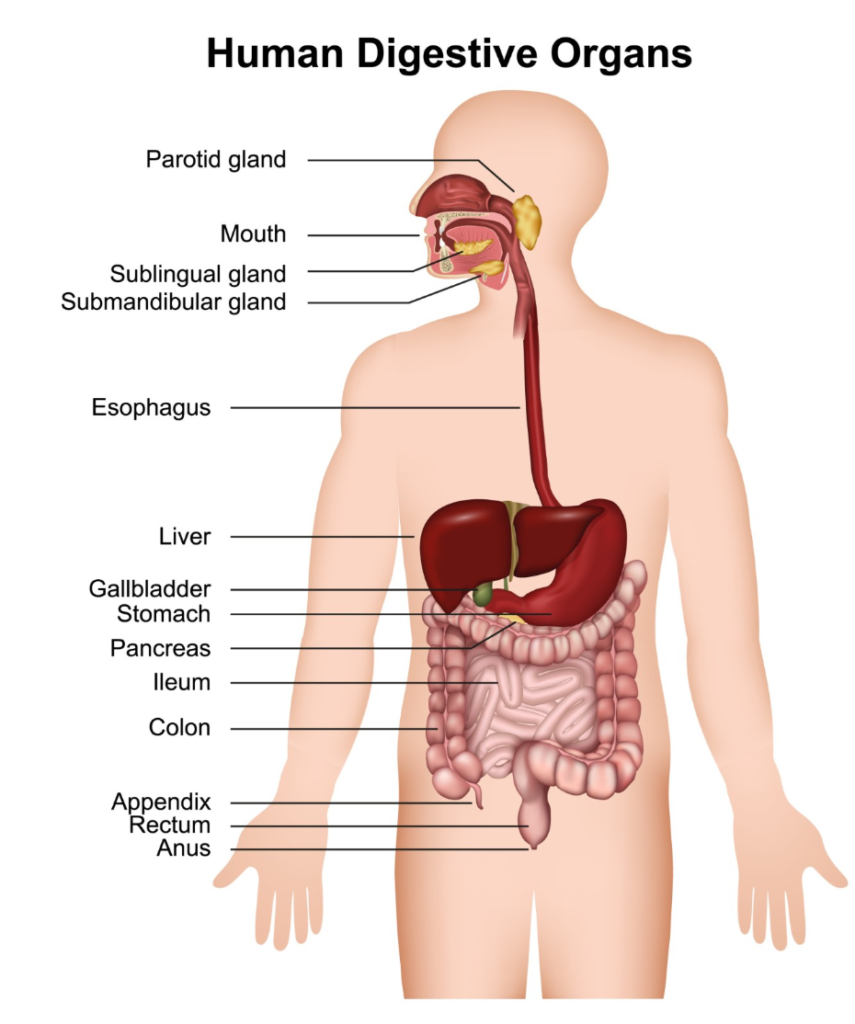
When a patient has IBD, such as Crohn disease or Ulcerative Colitis, their treatment is primarily focused on healing the gut lining and reducing inflammation. However, even after doctors confirm that the gut has healed through a colonoscopy or stool test, many patients still feel unwell. This is overlap syndrome. In these cases, the symptoms are no longer caused by active inflammation but by the way the gut nerves and muscles behave. The gut may move too fast or too slow, or the nerves in the intestinal wall may have become hypersensitive due to the trauma of previous flares. This means that although the disease is quiet, the syndrome remains active.
Distinguishing Between a Flare and IBS
One of the most important aspects of managing both conditions is accurately identifying whether symptoms are caused by new inflammation or functional IBS.
In the UK, clinicians rely heavily on objective markers to make this distinction. If a patient with IBD develops pain and diarrhoea, the first clinical step is usually a Faecal Calprotectin test. This stool marker measures a protein released during active inflammation. If the calprotectin level is low, it suggests that the symptoms are likely due to IBS rather than a relapse of IBD. This prevents patients from being prescribed high dose steroids or stronger immunosuppressants for symptoms that are functional rather than inflammatory.
Standard tests used to differentiate the two include:
- Faecal Calprotectin: A high level indicates an IBD flare, while a low level points toward IBS.
- C-Reactive Protein (CRP): A blood test used to check for systemic inflammation.
- Full Blood Count (FBC): Used to look for signs of anaemia or infection.
- Imaging or Endoscopy: In uncertain cases, a camera test is the only way to confirm deep mucosal healing.
Causes and Triggers of IBS Symptoms in IBD
The development of IBS type symptoms in people with IBD is often linked to the physical and psychological impact of living with a chronic condition.
- Neuromuscular Changes: Intense or prolonged inflammation can lead to permanent changes in how the nerves and muscles of the gut interact.
- Gut Microbiome Dysbiosis: Patients with IBD often have an altered balance of gut bacteria, which can contribute to gas, bloating, and discomfort.
- Bile Acid Malabsorption: In some Crohn disease patients, the small intestine cannot absorb bile acids correctly, leading to diarrhoea that mimics IBS.
- Psychological Stress: The anxiety and stress associated with managing a lifelong disease can influence the gut brain axis, worsening functional symptoms.
- Increased Permeability: Even in remission, the gut lining may remain slightly more permeable, which can trigger immune sensitivity.
Managing Symptoms of Both Conditions
Treatment plans for patients with overlapping conditions must address both the structural and functional aspects of their health.
While the IBD is managed with biologics, immunosuppressants, or 5 ASAs to maintain remission, the IBS symptoms require a different approach. Doctors may recommend low dose tricyclic antidepressants, which are not for mood but to act as gut brain neuromodulators to dampen pain signals from the intestine. Dietary changes, such as the Low FODMAP diet, may also be suggested, but only under the guidance of a specialist dietitian to ensure it does not compromise the nutritional needs of someone with IBD. Antispasmodics can be used to manage cramping, and psychological therapies like CBT are often effective in reducing the impact of the gut brain axis on daily symptoms.
Differentiation: Active IBD vs IBS Symptoms
It is helpful to compare how symptoms present when they are caused by inflammation versus when they are functional in nature.
| Feature | Active IBD Flare | IBS Symptoms (In IBD Remission) |
| Blood in Stool | Common sign of inflammation | Extremely rare |
| Inflammatory Markers | Usually elevated (high Calprotectin) | Typically, normal or low |
| Night Symptoms | Often wakes patient from sleep | Usually absent during sleep |
| Weight Loss | Common during active disease | Not expected in IBS |
| Fever | May occur during severe flares | Not a feature of IBS |
| Response to Steroids | Symptoms improve rapidly | No response to steroids |
To Summarise
IBS and IBD frequently occur together, creating a complex clinical picture where functional symptoms persist despite the underlying inflammatory disease being in remission. Approximately one in three IBD patients will experience these overlapping symptoms, which require a careful diagnostic approach using tests like Faecal Calprotectin to avoid unnecessary escalations in IBD medication. Successful management involves a dual approach: maintaining IBD remission with standard therapies while treating functional issues through diet, stress management, and gut directed medications. Recognising this overlap is essential for improving the overall quality of life for those living with chronic gut conditions.
If you experience severe, sudden, or worsening symptoms, such as heavy bleeding or intense constant pain, call 999 immediately.
Does having IBS mean I am more likely to get IBD later?
No. While many IBD patients were initially misdiagnosed with IBS, there is no clinical evidence that having true functional IBS increases your risk of developing autoimmune IBD.
Is the treatment for overlap syndrome different?
Yes. You must continue your IBD medication to keep the disease in remission, but you may need additional treatments like antispasmodics or dietary changes to manage the IBS symptoms.
Can I tell the difference between a flare and IBS at home?
It is difficult. However, the presence of blood, fever, or unintentional weight loss almost always indicates a flare or a more serious issue rather than IBS.
Why is my IBS worse during the winter?
Many people find their symptoms fluctuate with the seasons due to changes in activity levels, diet, and the prevalence of viral infections which can irritate the gut.
Will I always have IBS symptoms even if my IBD is cured?
If Ulcerative Colitis is cured through surgery, the inflammatory part is gone, but some patients still experience functional symptoms related to their new surgical anatomy.
Can children have IBS IBD overlap?
Yes. Children with IBD frequently report functional symptoms, which can impact their school attendance and general well-being
Does a low FODMAP diet help if I have IBD?
It can help with the overlapping IBS symptoms like gas and bloating, but it must be done carefully so it does not mask an actual inflammatory flare.
Authority Snapshot
This article was reviewed by Dr. Stefan Petrov, a UK trained physician with an MBBS and extensive experience in general medicine, surgery, and emergency care. Dr. Petrov has worked in both hospital wards and intensive care units, performing diagnostic and therapeutic procedures for complex gastrointestinal conditions. He specialises in medical education and helping patients navigate the clinical pathways for managing overlapping functional and inflammatory disorders.
