
Yes, Irritable Bowel Syndrome can cause nausea after eating, although it is considered an upper gastrointestinal symptom rather than a primary diagnostic feature. While IBS is mainly associated with lower gut symptoms like abdominal pain and altered bowel habits, up to 40 percent of patients report feeling sick or nauseous, particularly following a meal. This occurs because the digestive tract is a continuous system, and the functional disturbances that affect the colon can also impact the stomach and small intestine. Nausea in IBS is often linked to slowed gastric emptying, heightened nerve sensitivity, and the body response to bloating and gas pressure.
What We Will Discuss in This Article
- The clinical link between IBS and post prandial nausea
- How the gastrocolic reflex triggers feelings of sickness
- The role of visceral hypersensitivity in upper gut discomfort
- Co existing conditions such as Functional Dyspepsia
- Why bloating and gas pressure physically induce nausea
- The impact of the gut brain axis and anxiety on nausea
- Practical strategies to manage feelings of sickness after meals
Why IBS Triggers Nausea After Meals
Nausea is a common secondary symptom of IBS that arises from the complex way the digestive system coordinates its movements.
The Gastrocolic Reflex
When you eat, your stomach sends a signal to your brain and colon to make room for the new food. This is called the gastrocolic reflex. In people with IBS, this reflex can be overactive or poorly coordinated. If the colon is backed up due to constipation or is spasming due to diarrhoea, the pressure can cause a backup effect. This delayed processing can lead to a feeling of fullness and nausea shortly after finishing a meal.
Visceral Hypersensitivity
IBS is characterised by hypersensitive nerves throughout the digestive tract. In many patients, the stomach and upper intestines are just as sensitive as the lower bowel. The physical act of the stomach stretching to accommodate food can be perceived by the brain as a distressing or nauseating sensation rather than just fullness.
The Overlap with Functional Dyspepsia
It is very common for IBS to coexist with another functional disorder called Functional Dyspepsia.
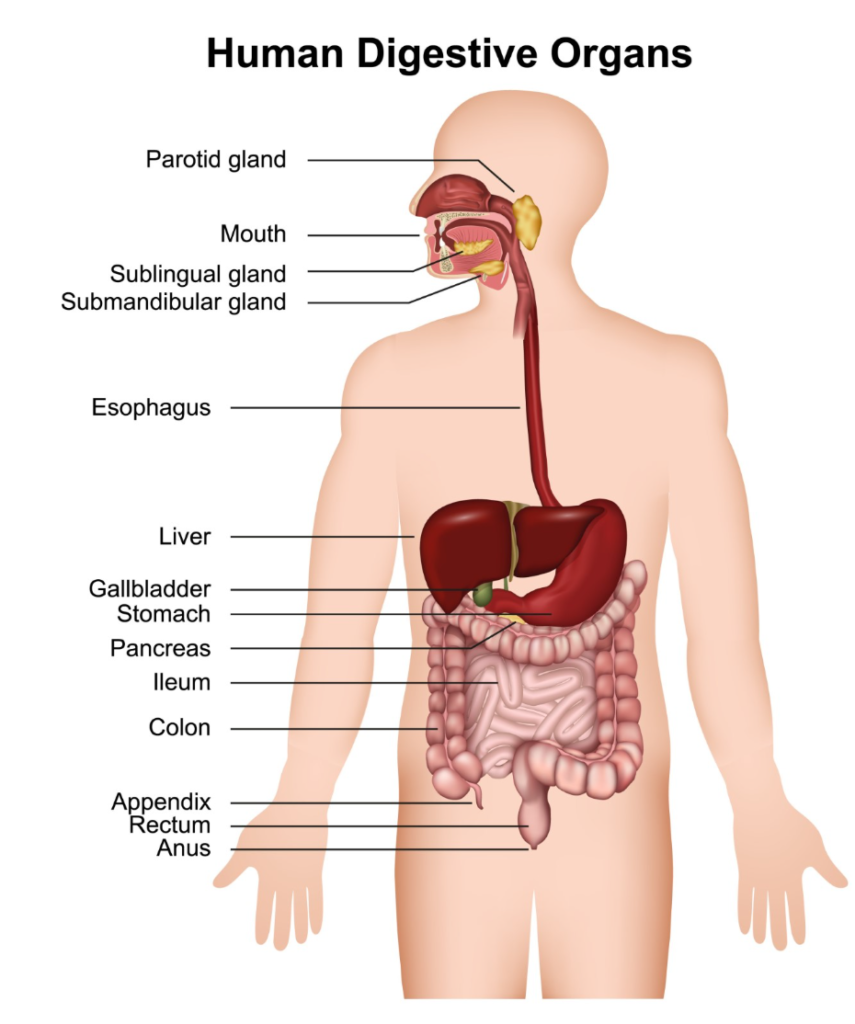
Functional Dyspepsia specifically affects the upper digestive tract, causing symptoms like nausea, indigestion, and pain in the upper abdomen. Clinical studies show a significant overlap between these two conditions. If you frequently experience nausea along with your typical IBS symptoms, it may be that your functional gut disorder is affecting both the upper and lower parts of your digestive system. In the United Kingdom, clinicians often treat these overlapping symptoms by addressing the underlying gut brain axis sensitivity that drives both conditions.
Psychological Factors and the Gut Brain Axis
Because the gut and brain are in constant communication, emotional states can directly trigger physical sickness.
The same nerves that control your gut also respond to stress and anxiety. For many IBS sufferers, the anticipation of pain or an urgent bowel movement after eating can create a cycle of anxiety. This stress response releases hormones that can slow down digestion and irritate the stomach lining, leading to a persistent feeling of nausea. Addressing the psychological impact of living with a chronic gut condition is therefore a vital part of reducing these upper gastrointestinal symptoms.
Managing Nausea in IBS
Management focuses on reducing the load on the digestive system and calming the nervous system response.
- Smaller Frequent Meals: Instead of three large meals, eating five smaller portions can prevent the stomach from overstretching and reduce nausea.
- Ginger and Peppermint: Natural remedies like ginger tea or peppermint oil capsules can relax the muscles of the gut and help settle the stomach.
- Identifying Food Triggers: Fatty foods and caffeine are known stimulants that can worsen both lower gut spasms and upper gut nausea.
- Mindful Eating: Taking time to chew thoroughly and eating in a relaxed environment can help regulate the gastrocolic reflex.
- Gut Directed Therapies: Evidence based approaches like CBT or mindfulness can help desensitise the gut brain axis to the sensations of digestion.
When Nausea Requires Urgent Review
While nausea is common in IBS, it can also be a sign of other medical issues that require a different clinical approach.
Emergency Guidance
If you experience severe, sudden, or worsening symptoms, call 999 immediately.
Seek an urgent appointment with your GP if your nausea is accompanied by:
- Persistent vomiting or inability to keep fluids down
- Severe pain in the upper right or left side of the abdomen
- Unexplained and unintentional weight loss
- A yellowing of the eyes or skin known as jaundice
- Feeling a lump or mass in your stomach area
- Blood in your vomit or black, tarry stools
To Summarise
Nausea after eating is a frequent and distressing symptom of IBS, often caused by an overactive gastrocolic reflex or heightened nerve sensitivity. While it is not one of the primary criteria used to diagnose the condition, it highlights how IBS affects the entire digestive pathway. By understanding the link between your upper and lower gut symptoms and managing triggers like stress and meal size, you can significantly reduce these feelings of sickness. However, persistent or severe nausea should always be discussed with a healthcare professional to rule out other underlying causes.
Can IBS cause nausea without diarrhoea or constipation?
Nausea is usually part of a wider pattern of IBS symptoms. If you have nausea without any changes in bowel habits or abdominal pain, your doctor may look for other causes like acid reflux or gastroparesis.
Is nausea worse during an IBS flare up?
Yes. When the gut is most sensitive and spasming, the backup of gas and stool can significantly increase the feeling of sickness.
Does the Low FODMAP diet help with nausea?
Indirectly, yes. By reducing the gas and bloating that put pressure on the stomach, the Low FODMAP diet can help alleviate the sensations that trigger nausea.
Can medications for IBS cause nausea?
Some medications used to treat IBS, such as certain antidepressants or strong painkillers, can have nausea as a side effect. Always check with your pharmacist or GP.
Why do I feel sick only after breakfast?
The gut is often most active in the morning. The sudden stimulation of the digestive system after sleep can trigger a strong gastrocolic reflex, leading to nausea.
Can trapped gas cause nausea?
Yes. High levels of gas in the upper colon can press against the stomach, leading to a feeling of pressure and sickness.
Is nausea in IBS a sign of food poisoning?
While food poisoning causes intense nausea, it is usually accompanied by fever and sudden, severe symptoms that resolve within a few days, unlike the chronic nature of IBS.
Authority Snapshot
This article was reviewed by Dr. Rebecca Fernandez, a UK trained physician with an MBBS and extensive experience in internal medicine, general surgery, and psychiatry. Dr. Fernandez specialises in the integration of digital health and evidence based psychological therapies, such as CBT and mindfulness, to support patients with chronic functional disorders. She has managed a wide range of gastrointestinal cases and is an expert in the clinical pathways that link mental well being to physical health outcomes.
