
No, Irritable Bowel Syndrome (IBS) cannot turn into Inflammatory Bowel Disease (IBD). While these two conditions share several similar symptoms, they are entirely different medical entities with distinct underlying causes. IBS is a functional disorder that affects how the gut moves and senses pain without causing physical damage. IBD, which includes Crohn disease and Ulcerative Colitis, is an autoimmune condition characterised by chronic inflammation and structural damage to the digestive tract. Having IBS does not increase your risk of developing IBD, nor does it lead to the inflammatory changes seen in Crohn or Colitis.
What We Will Discuss in This Article
- The fundamental physiological differences between IBS and IBD
- Why shared symptoms often lead to confusion between the two
- The clinical reality of misdiagnosis in gastrointestinal health
- How IBS and IBD are investigated and diagnosed in the UK
- Whether it is possible to have both conditions at the same time
- Red flag symptoms that require clinical investigation for IBD
The Nature of the Conditions
To understand why one cannot turn into the other, we must look at how each condition behaves within the body.
IBS is classified as a disorder of gut-brain interaction. This means the communication between your brain and your gut is hypersensitive, causing the muscles in the bowel to contract too quickly or too slowly. Despite the significant pain and discomfort, it causes, an endoscopy or biopsy of an IBS patient will show a perfectly healthy looking gut. IBD is vastly different; it is a systemic inflammatory disease where the immune system attacks the bowel wall. This causes ulcers, bleeding, and scarring that can be seen by doctors during clinical examinations. Because these are two different biological processes, one does not evolve into the other.
Shared Symptoms and Overlap
The confusion between these conditions often stems from the fact that they share several hallmark symptoms, which can make initial self diagnosis difficult.
Both conditions can cause:
- Persistent abdominal pain and cramping
- Changes in bowel habits, such as diarrhoea or constipation
- Bloating and excess gas
- An urgent need to use the toilet
Because these symptoms are so similar, some patients who were initially told they had IBS may later be diagnosed with IBD. This is not a case of the IBS turning into IBD, but rather a case where the underlying inflammation was not captured during the first assessment or had not yet reached a detectable level.
The Risk of Misdiagnosis
In clinical practice, it is far more common for IBD to be mistaken for IBS in the early stages than for the conditions to actually coexist.
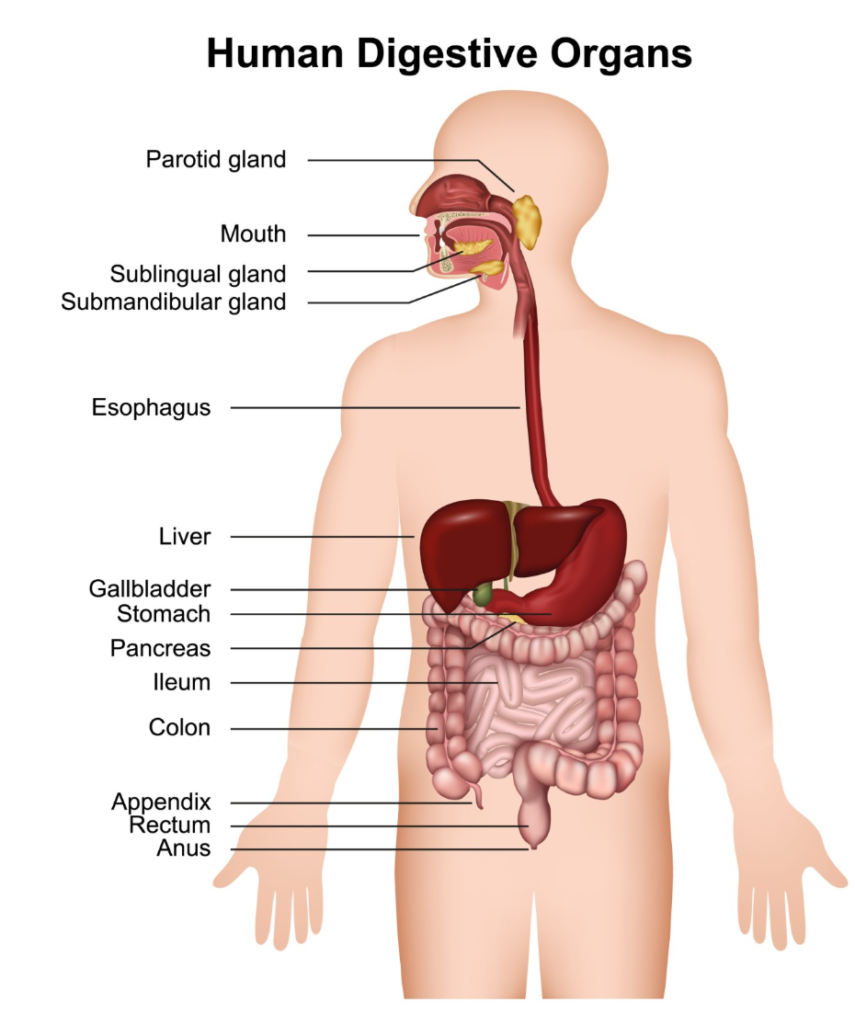
A GP in the UK will often look for red flags to differentiate the two. IBS almost never causes rectal bleeding, unexplained weight loss, or persistent fever. If a patient presents with these symptoms, clinicians move away from an IBS diagnosis and toward IBD investigations. If a patient is treated for IBS but their symptoms continue to worsen or new red flags appear, it is essential to revisit the diagnosis. The transition is not in the disease itself, but in the medical understanding of the patient specific case.
Can You Have Both at the Same Time?
While IBS does not turn into IBD, it is entirely possible for a patient diagnosed with IBD to also suffer from IBS like symptoms.
This is often referred to as IBS in IBD. Even when a patient IBD is in clinical remission and the inflammation is under control, they may still experience bloating, pain, and irregular bowel habits. In these cases, the patient is dealing with both the structural history of IBD and the functional sensitivity of IBS. Each condition must be managed with its own specific treatment plan; for example, using anti inflammatory medication for the IBD and dietary changes or stress management for the IBS symptoms.
To Summarise
IBS is a functional disorder and IBD is an inflammatory disease; they are separate paths in the medical world. IBS does not cause the immune system response or the physical damage required to become IBD. Understanding that these are two distinct conditions helps in seeking the correct treatment and ensures that patients with functional symptoms are not unnecessarily worried about the long term risks associated with inflammatory diseases.
Can IBS turn into IBD?
No, Irritable Bowel Syndrome (IBS) cannot turn into Inflammatory Bowel Disease (IBD). While these two conditions share several similar symptoms, they are entirely different medical entities with distinct underlying causes. IBS is a functional disorder that affects how the gut moves and senses pain without causing physical damage. IBD, which includes Crohn disease and Ulcerative Colitis, is an autoimmune condition characterised by chronic inflammation and structural damage to the digestive tract. Having IBS does not increase your risk of developing IBD, nor does it lead to the inflammatory changes seen in Crohn or Colitis.
What We Will Discuss in This Article
- The fundamental physiological differences between IBS and IBD
- Why shared symptoms often lead to confusion between the two
- The clinical reality of misdiagnosis in gastrointestinal health
- How IBS and IBD are investigated and diagnosed in the UK
- Whether it is possible to have both conditions at the same time
- Red flag symptoms that require clinical investigation for IBD
The Nature of the Conditions
To understand why one cannot turn into the other, we must look at how each condition behaves within the body.
IBS is classified as a disorder of gut-brain interaction. This means the communication between your brain and your gut is hypersensitive, causing the muscles in the bowel to contract too quickly or too slowly. Despite the significant pain and discomfort, it causes, an endoscopy or biopsy of an IBS patient will show a perfectly healthy looking gut. IBD is vastly different; it is a systemic inflammatory disease where the immune system attacks the bowel wall. This causes ulcers, bleeding, and scarring that can be seen by doctors during clinical examinations. Because these are two different biological processes, one does not evolve into the other.
Shared Symptoms and Overlap
The confusion between these conditions often stems from the fact that they share several hallmark symptoms, which can make initial self diagnosis difficult.
Both conditions can cause:
- Persistent abdominal pain and cramping
- Changes in bowel habits, such as diarrhoea or constipation
- Bloating and excess gas
- An urgent need to use the toilet
Because these symptoms are so similar, some patients who were initially told they had IBS may later be diagnosed with IBD. This is not a case of the IBS turning into IBD, but rather a case where the underlying inflammation was not captured during the first assessment or had not yet reached a detectable level.
The Risk of Misdiagnosis
In clinical practice, it is far more common for IBD to be mistaken for IBS in the early stages than for the conditions to actually coexist.
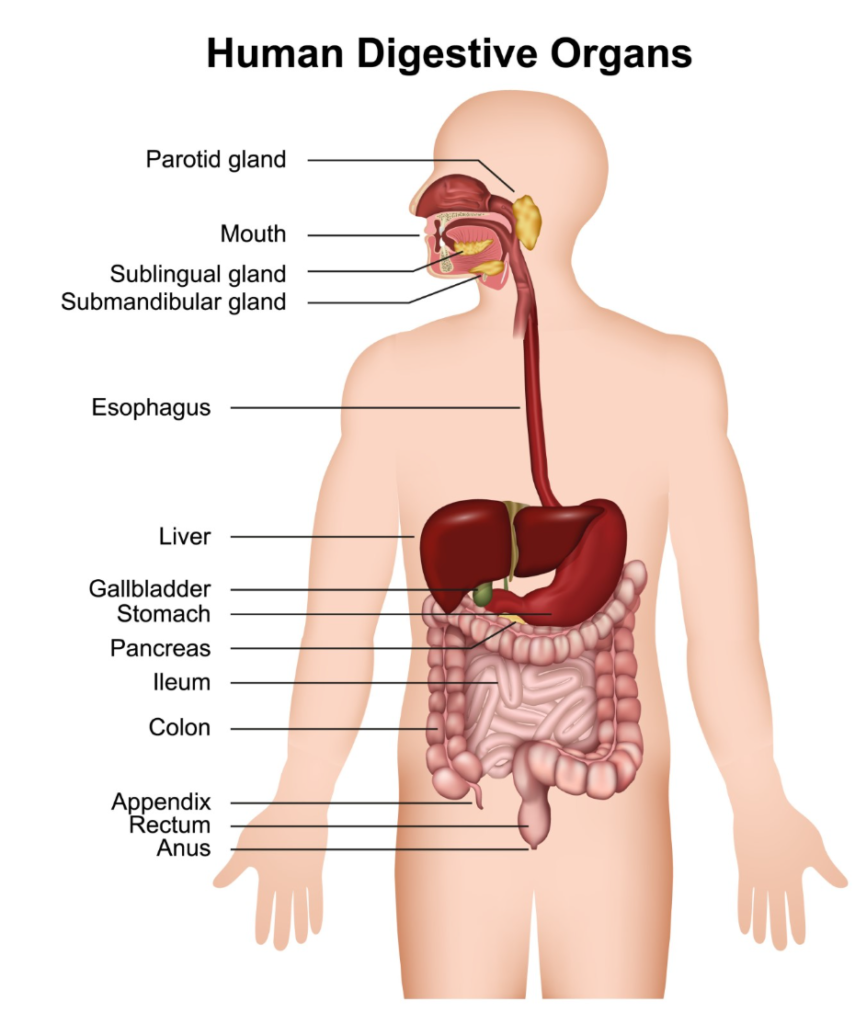
A GP in the UK will often look for red flags to differentiate the two. IBS almost never causes rectal bleeding, unexplained weight loss, or persistent fever. If a patient presents with these symptoms, clinicians move away from an IBS diagnosis and toward IBD investigations. If a patient is treated for IBS but their symptoms continue to worsen or new red flags appear, it is essential to revisit the diagnosis. The transition is not in the disease itself, but in the medical understanding of the patient specific case.
Can You Have Both at the Same Time?
While IBS does not turn into IBD, it is entirely possible for a patient diagnosed with IBD to also suffer from IBS like symptoms.
This is often referred to as IBS in IBD. Even when a patient IBD is in clinical remission and the inflammation is under control, they may still experience bloating, pain, and irregular bowel habits. In these cases, the patient is dealing with both the structural history of IBD and the functional sensitivity of IBS. Each condition must be managed with its own specific treatment plan; for example, using anti inflammatory medication for the IBD and dietary changes or stress management for the IBS symptoms.
To Summarise
IBS is a functional disorder and IBD is an inflammatory disease; they are separate paths in the medical world. IBS does not cause the immune system response or the physical damage required to become IBD. Understanding that these are two distinct conditions helps in seeking the correct treatment and ensures that patients with functional symptoms are not unnecessarily worried about the long term risks associated with inflammatory diseases.
If you experience severe, sudden, or worsening symptoms, call 999 immediately.
Why do some people say their IBS became IBD?
This is usually due to a misdiagnosis. The inflammation of IBD may have been present but mild or undetectable during the initial checkup where IBS was suggested.
Does having IBS mean I am more likely to get IBD later?
No. Current clinical evidence shows that there is no increased risk of developing IBD just because you have been diagnosed with IBS.
Can stress turn my IBS into an inflammatory condition?
Stress can significantly worsen IBS symptoms and trigger IBD flare ups, but it cannot change the biological nature of IBS into an autoimmune disease like IBD.
How do doctors tell them apart for sure?
Doctors use blood tests to look for inflammation and stool tests like the Faecal Calprotectin test. A colonoscopy is the definitive way to see if inflammation is present.
Do the treatments for IBS and IBD ever overlap?
Occasionally, lifestyle changes like stress reduction can help both, but the primary medical treatments are very different. IBD requires immunosuppressants, while IBS does not.
Authority Snapshot
This article was reviewed by Dr. Stefan Petrov, a UK trained physician with an MBBS and extensive experience in general medicine and emergency care. Dr. Petrov has worked in hospital wards and intensive care units, performing complex diagnostic procedures to differentiate between functional and structural bowel disorders. He specialises in patient focused health education and ensuring that clinical information follows the latest evidence based approaches.
