




Lifestyle changes can improve mental health because modifiable habits directly influence the biological regulation of neurotransmitters, hormone levels, and the autonomic nervous system responsible for emotional stability. In the United Kingdom, the NHS emphasises that physical and mental health are closely linked, meaning that supporting the body through consistent routines can enhance psychological resilience. By utilising evidence-based lifestyle adjustments, individuals can provide a stable foundation for their overall health.
What We’ll Discuss in This Article
- The biological relationship between physical activity and mood regulation.
- How sleep hygiene influences cognitive function and emotional resilience.
- The link between nutritional balance and brain chemical production.
- Identifying the physical markers of lifestyle-related mental wellbeing.
- Integrating lifestyle changes with formal clinical management pathways.
- Accessing NHS support for implementing healthy lifestyle modifications.
The Role of Physical Activity in Mood Regulation
Regular physical activity improves mental health by stimulating the release of endorphins and regulating stress hormones like cortisol, which helps to balance the body’s physiological response to worry and low mood. In the United Kingdom, healthcare professionals identify that exercise can be as effective as some talking therapies for managing mild to moderate symptoms of depression or anxiety. The NHS states that being active is one of the five steps you can take to improve your mental health and wellbeing.
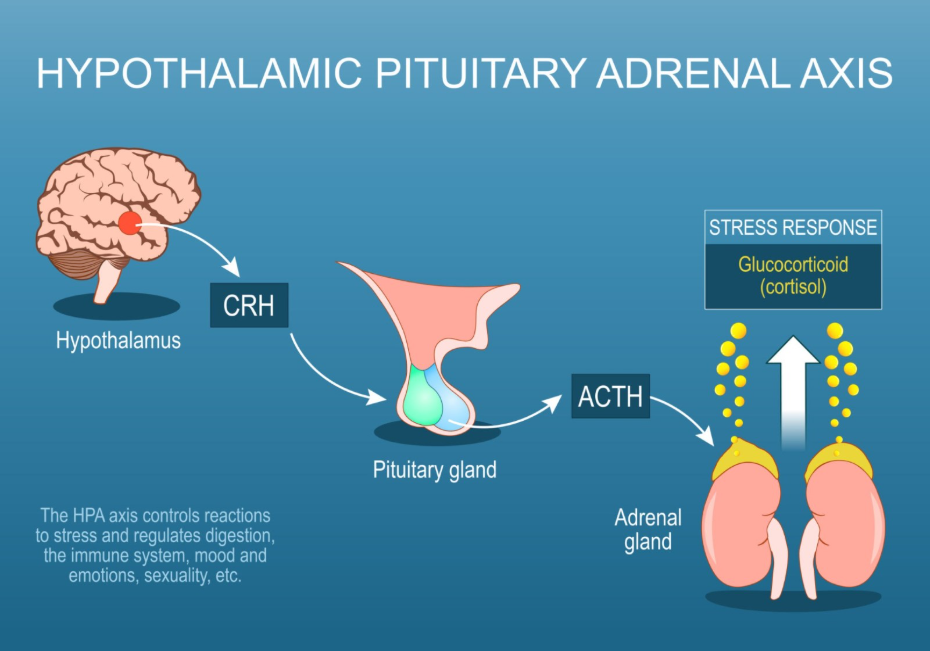
Consistent movement supports the brain’s ability to manage the “fight or flight” response, leading to a calmer baseline state. In the UK, this professional framework provides a stable foundation for the health journey by identifying that exercise is a biological intervention. By utilised these integrated pathways, the healthcare system ensures that every person’s profile is supported through evidence-based understanding. This coordinated effort prioritises the safety of the individual within a validated medical environment.
Sleep Hygiene and Emotional Resilience
Sleep hygiene is a vital lifestyle factor for improving mental health because the brain requires consistent, high-quality rest to process emotional information and restore the chemical messengers used for logic and focus. In the United Kingdom, clinical research shows that chronic sleep disruption can worsen the symptoms of almost all mental health disorders, creating a cycle of increased irritability and reduced coping capacity. NICE clinical guidelines for common mental health problems indicate that a thorough assessment should consider sleep patterns as a core marker of biological health.
| Sleep Factor | Impact on Mental Health | Functional Consideration |
| Consistent Routine | Supports the body’s natural circadian rhythm. | Improved daytime focus and emotional stability. |
| Sleep Duration | Facilitates cognitive repair and memory storage. | Reduced “brain fog” and better decision-making. |
| Environment | Minimises autonomic arousal during the night. | Lower baseline anxiety and physical tension. |
| Screen Usage | Prevents light-induced suppression of melatonin. | Faster transition into restorative deep sleep. |
| Stimulant Timing | Avoids heart palpitations and racing thoughts. | Reduced physical symptoms of acute worry. |
In the UK, these challenges are managed through integrated care plans that prioritise a person-centred approach. Identifying that sleep disruption is a biological response to distress helps the multidisciplinary team select the most effective management strategy. This professional oversight is essential for providing a safe and accurate understanding of the individual’s functional capability. By building a robust evidence base through clinical review, the healthcare system provides a secure environment for long-term health.
Nutritional Balance and Brain Chemistry
Dietary habits influence mental health by providing the essential nutrients required for the production of neurotransmitters like serotonin and by helping to maintain stable blood sugar levels to prevent mood fluctuations. In the United Kingdom, specialists recognise that a diet high in processed sugars and low in essential fatty acids can contribute to systemic inflammation, which is linked to increased rates of depression. The GOV.UK health pages provide clinical profiles indicating that the monitoring of nutritional and social challenges is a priority for ensuring integrated support.
Nutrients such as omega-3 fatty acids, B vitamins, and magnesium are critical for the health of neural membranes and the efficient transmission of signals between brain cells. In the UK, the focus is on providing a stable foundation where the individual’s metabolic health is reviewed alongside their psychological state. Identifying these underlying drivers allows for more targeted help that addresses the actual biological cause of distress. By utilised these professional frameworks, the UK system provides a life-long framework of support that adapts to the person’s needs.
Identifying Markers of Lifestyle-Related Wellbeing
Identifying the markers of lifestyle-related wellbeing involves looking for a combination of physical and psychological indicators that suggest the nervous system is benefiting from healthy routines. In the United Kingdom, healthcare professionals focus on how these improvements interfere with daily functional goals to measure progress.
Common markers identified in the UK include:
- Energy Stability: Consistent energy levels throughout the day without significant “crashes”.
- Sleep Quality: Waking up feeling refreshed and able to initiate daily tasks.
- Cognitive Clarity: Improved concentration and a reduction in persistent “brain fog”.
- Emotional Regulation: Feeling better equipped to manage minor environmental stressors.
- Physical Comfort: Reduced muscle tension and fewer stress-related headaches or digestive issues.
- Autonomic Balance: A stable heart rate and regular breathing patterns during non-active periods.
In the UK, identifying these indicators early is vital for preventing the functional decline that often accompanies chronic health challenges. The integrated support framework encourages a strengths-based approach, focusing on what the individual needs to remain healthy. By utilised these professional frameworks, the healthcare system provides a secure environment for building professional and personal confidence. These strategies aim to work with the individual’s biology to restore a sense of calm.
Accessing Integrated NHS Support Pathways
The pathway for implementing lifestyle changes in the United Kingdom is a coordinated process involving GPs and community-based services such as “social prescribing” link workers. This journey ensures that every individual receives a thorough review of their history and current environment to build a bespoke management plan.
The UK integrated support pathway involves:
- Initial GP Consultation: Discussing lifestyle habits and emotional health for a clinical review.
- Social Prescribing: Connecting individuals with local exercise groups or community kitchens.
- Physical Screening: Ruling out biological causes for fatigue through routine blood tests.
- Integrated Care Planning: Co-ordinating support between the health service and local wellbeing hubs.
- Lifestyle Advice: Accessing verified NHS resources for sleep hygiene and nutritional guidance.
- Regular Monitoring: Scheduled reviews to ensure that lifestyle modifications remain effective and safe.
In the UK, the focus is on providing a stable foundation for the individual to move forward with self-understanding. The NHS ensures that adults and children have a consistent point of contact for their health needs while they navigate their lives. This integrated approach ensures that the person’s unique way of functioning is respected within their home and community. By utilised these integrated pathways, the healthcare system provides a secure environment for building long-term mental wellbeing across the UK population.
Conclusion
Lifestyle changes such as improved sleep, balanced nutrition, and regular exercise are significant factors that can improve mental health by supporting the body’s biological regulation systems. The NHS and professional bodies in the United Kingdom provide a robust system of multidisciplinary assessments to help individuals identify and implement these adjustments safely. By focusing on both the biological roots of the stress response and the need for supportive environments, the system promotes the highest possible level of independence. Following a coordinated management plan with the help of medical and psychological experts ensures that unique adult and paediatric needs are addressed holistically.
Can exercise replace my mental health medication?
Lifestyle changes support your health, but you should always consult your GP before making any changes to prescribed medication.
What is the best type of exercise for mood?
In the UK, any activity that gets you moving, such as walking or swimming, is recognised as beneficial for regulating stress hormones.
How much sleep do I actually need?
Most adults in the UK require between 7 and 9 hours of quality sleep to maintain optimal cognitive and emotional function.
Does sugar affect my anxiety?
Large amounts of sugar can cause blood sugar spikes and crashes, which can mimic or worsen the physical sensations of anxiety.
Will my GP help me with a diet plan?
A GP can provide general nutritional advice or refer you to a specialist if your diet is significantly affecting your health.
Can lifestyle changes help with schizophrenia?
Yes; while they do not replace specialist care, healthy habits help manage the physical health risks associated with the condition and its management.
Who should I talk to first if I want to change my habits?
The first point of contact in the United Kingdom is usually your GP to discuss your goals and explore local support options.
Authority Snapshot (E-E-A-T)
This article provides medically factual health education regarding the impact of lifestyle on mental health, strictly aligned with NHS and NICE clinical guidelines. The content is developed by a professional medical writing team and reviewed by Dr. Stefan Petrov, a UK-trained physician with experience in multiple clinical specialties including emergency care, general medicine, and medical education. All information follows current UK public health protocols to ensure clinical accuracy and patient safety.



