




Mental health disorders can significantly affect work or academic performance because the biological changes in brain function influence cognitive processes such as memory, concentration, and executive decision-making. In the United Kingdom, healthcare professionals recognise that maintaining occupational or educational stability is a vital component of functional health. By utilising integrated NHS pathways, individuals can access multidisciplinary support to manage these challenges.
What We’ll Discuss in This Article
- The biological relationship between emotional regulation and cognitive function.
- How untreated anxiety influences focus and performance consistency.
- The impact of persistent low mood on motivation and productivity.
- Identifying the physical and psychological markers of occupational distress.
- The role of executive function in managing complex professional tasks.
- Accessing integrated NHS support for restoring functional stability.
Biological Links Between Brain Function and Performance
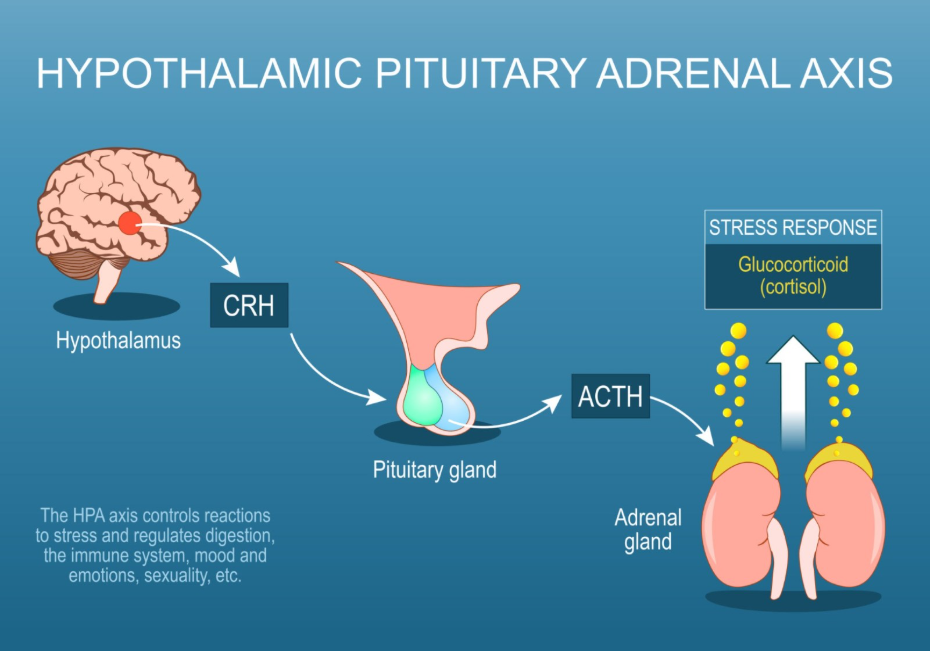
Brain function and performance are biologically linked through the prefrontal cortex and the limbic system, which coordinate the processing of information and the regulation of stress responses. In the United Kingdom, clinical research focuses on how a disruption in neurotransmitter balance can make cognitive tasks feel overwhelming or biologically exhausting. The NHS states that mental health problems can affect your concentration and your ability to carry out your daily work or studies.
When an individual’s emotional regulation systems are under strain, the brain may divert metabolic resources away from logic and memory to manage perceived threats or emotional distress. In the UK, this professional framework provides a stable foundation for the health journey by identifying that performance challenges are often rooted in objective biological changes. By utilised these integrated pathways, the healthcare system ensures that every person’s profile is supported through evidence-based understanding. This coordinated effort prioritises the safety of the individual within a validated medical environment.
Untreated Anxiety and Performance Consistency
Untreated anxiety can lead to significant fluctuations in performance because the body’s stress response system remains in a state of chronic hyper-vigilance, which impairs the ability to process complex information. In the United Kingdom, healthcare professionals identify that this state of biological alert can cause “brain fog” and a reduced capacity for problem-solving. NICE clinical guidelines for common mental health problems indicate that a thorough assessment should consider the impact of anxiety on an individual’s professional and educational life.
| Performance Factor | Impact of Untreated Anxiety | Functional Consideration |
| Concentration | Racing thoughts and frequent distractions. | Difficulty completing tasks without errors. |
| Memory | Reduced working memory for new instructions. | Increased reliance on written notes or reminders. |
| Attendance | Avoidance of high-pressure meetings or exams. | Potential for unexplained absence or lateness. |
| Social Interaction | Intense fear of judgment during presentations. | Reduced participation in group projects or teams. |
| Physical Energy | Tension fatigue and muscle bracing. | Rapid exhaustion during the working or school day. |
In the UK, these challenges are managed through integrated care plans that prioritise a person-centred approach. Identifying that restlessness or a racing heart is a biological response to occupational stress helps the multidisciplinary team select the most effective management strategy. This professional oversight is essential for providing a safe and accurate understanding of the individual’s functional capability. By building a robust evidence base through clinical review, the healthcare system provides a secure environment for long-term health.
Impact of Persistent Low Mood on Motivation
Persistent low mood or depression can influence performance by reducing the emotional energy required for motivation, goal-setting, and the initiation of complex tasks. In the United Kingdom, specialists recognise that the “leaden” physical fatigue associated with depressive states can make the maintenance of a full-time schedule feel biologically impossible. The GOV.UK health pages provide clinical profiles indicating that the monitoring of social and cognitive challenges is a priority for ensuring integrated support.
This state of emotional depletion often leads to a loss of interest in professional achievements, which can be misinterpreted by employers or tutors as a lack of commitment. In the UK, the focus is on providing a stable foundation where the individual’s environment is reviewed alongside their metabolic and hormonal health. Identifying these underlying drivers allows for more targeted help that addresses the actual biological cause of distress. By utilised these professional frameworks, the UK system provides a life-long framework of support that adapts to the person’s needs. This approach ensures that the person’s unique way of functioning is respected within their home and professional environment.
Executive Function and Managing Complex Tasks
Untreated mental disorders can cause significant changes in executive function, which is the set of mental skills that help you get things done, such as planning and self-control. In the United Kingdom, healthcare professionals focus on how these cognitive shifts can lead to a decline in an individual’s confidence when managing deadlines.
Common executive function markers identified in the UK include:
- Task Initiation: Difficulty starting a project even when the individual knows it is important.
- Planning and Prioritisation: Feeling overwhelmed by the number of steps required for a task.
- Emotional Control: Finding it harder to manage frustration when faced with difficult problems.
- Cognitive Flexibility: Struggling to adapt when a plan changes or an unexpected issue arises.
- Time Management: Difficulty estimating how long a task will take to complete.
- Organisation: Challenges in keeping track of physical or digital workspaces and materials.
In the UK, identifying these indicators early is vital for preventing the functional decline that often accompanies chronic health challenges. The integrated support framework encourages a strengths-based approach, focusing on what the individual needs to remain healthy. By utilised these professional frameworks, the healthcare system provides a secure environment for building professional and personal confidence. These strategies aim to work with the individual’s biology to restore a sense of calm.
Accessing Integrated NHS Support Pathways
The pathway for managing the occupational impact of mental disorders in the United Kingdom is a coordinated process involving GPs and workplace health services. This journey ensures that every individual receives a thorough review of their history and current environment to build a bespoke management plan.
The UK integrated support pathway involves:
- Initial GP Consultation: Discussing performance changes and emotional symptoms for a clinical review.
- Physical Screening: Ruling out non-psychological causes for fatigue or concentration issues.
- Talking Therapies: Accessing evidence-based support such as Cognitive Behavioural Therapy.
- Occupational Health: Working with employers to implement reasonable adjustments in the workplace.
- Integrated Care Planning: Co-ordinating support between the health service, family, and workplace.
- Regular Monitoring: Scheduled reviews to ensure that management strategies remain effective and safe.
In the UK, the focus is on providing a stable foundation for the individual to move forward with self-understanding. The NHS ensures that adults and children have a consistent point of contact for their health needs while they navigate their lives. This integrated approach ensures that the person’s unique way of functioning is respected within their home and work environment. By utilised these integrated pathways, the healthcare system provides a secure environment for building long-term mental wellbeing across the UK population.
Conclusion
Mental health disorders profoundly affect work and academic performance by disrupting the biological and cognitive systems required for focus, memory, and task management. The NHS and professional bodies in the United Kingdom provide a robust system of multidisciplinary assessments and evidence-based therapies to help individuals manage these challenges. By focusing on both the biological roots of symptoms and the need for supportive environments, the system promotes the highest possible level of independence. Following a coordinated management plan with the help of medical and psychological experts ensures that unique adult and paediatric needs are addressed holistically.
Can I lose my job because of my mental health?
In the UK, the Equality Act 2010 provides protections and requires employers to consider reasonable adjustments for those with mental health conditions.
Why can’t I focus on my work when I’m anxious?
Anxiety keeps your brain in a state of high alert, which uses up the energy needed for logic and deep concentration.
What are “reasonable adjustments” in the UK?
These are changes your employer or university can make to help you do your job or study, such as flexible hours or a quiet workspace.
Does depression affect my memory?
Yes; depression can influence the hippocampus, the part of the brain involved in memory, leading to forgetfulness or “brain fog.”
Will my GP provide a fit note for my performance issues?
A GP in the UK can provide a fit note if they assess that your health is impacting your ability to work or study.
How do I talk to my university about my mental health?
Most UK universities have student support or wellbeing services that can help you access adjustments and academic support.
Who should I talk to first if my performance is suffering?
The first point of contact in the United Kingdom is usually your GP to discuss your health and explore support options.
Authority Snapshot (E-E-A-T)
This article provides medically factual health education regarding the impact of mental health on performance, strictly aligned with NHS and NICE clinical guidelines. The content is developed by a professional medical writing team and reviewed by Dr. Rebecca Fernandez, a UK-trained physician with experience in multiple clinical specialties including cardiology, emergency medicine, and psychiatry. All information follows current UK public health protocols to ensure clinical accuracy and patient safety.



