
Pancreatitis is a clinical condition involving inflammation of the pancreas, an organ situated behind the stomach that is essential for both hormone production and the digestion of food. When the pancreas becomes inflamed, its normal functions are disrupted, which can significantly impact a person’s nutritional status and desire to eat. Following established clinical pathways from the NHS and the National Institute for Health and Care Excellence ensures that these symptoms are evaluated and managed using evidence-based strategies. Understanding the biological link between pancreatic health and weight management allows patients to recognise when their symptoms require a structured medical assessment. By addressing the underlying causes of malabsorption and systemic distress, medical teams in the UK aim to stabilise a patient’s nutritional health and improve their long-term recovery outcomes.
What We’ll Discuss in This Article
- The biological relationship between the pancreas and nutrient absorption
- Why acute inflammation causes a temporary loss of appetite
- How chronic pancreatitis leads to persistent malabsorption and weight loss
- The role of pancreatic enzymes in breaking down dietary fats
- Identifying signs of nutritional deficiency related to pancreatic health
- UK clinical approaches to managing weight loss through enzyme replacement
- The importance of professional monitoring for changes in weight
Pancreatitis causes loss of appetite and unintended weight loss because inflammation prevents the organ from releasing the enzymes necessary for the body to digest and absorb nutrients
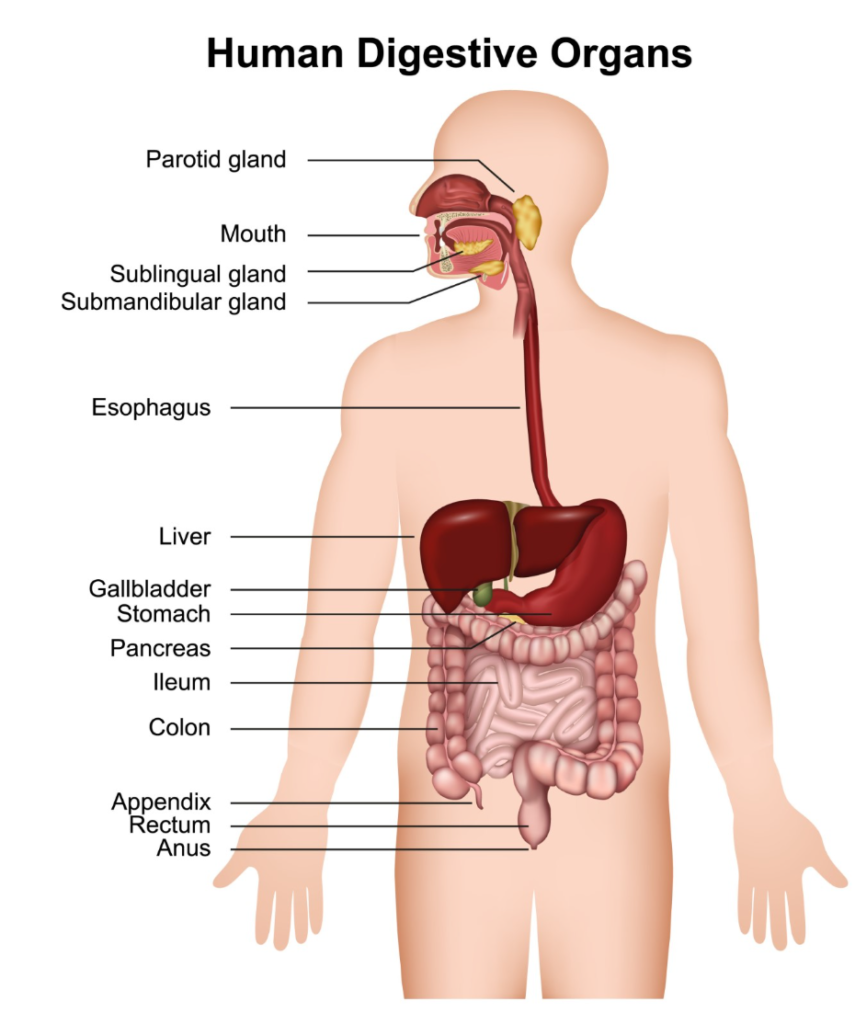
The pancreas produces potent enzymes that are released into the small intestine to break down proteins, carbohydrates, and fats. Pancreatitis is inflammation of the pancreas, which can be acute or chronic and may lead to unintended weight loss and a loss of appetite. When the organ is inflamed, these enzymes may either be activated prematurely inside the pancreas or not be produced in sufficient quantities. This leads to a state where food passes through the digestive tract without being properly broken down, meaning the body cannot utilise the energy and nutrients it contains. In the United Kingdom, this process is recognised as a primary driver of weight loss in patients with pancreatic disorders, requiring intervention to restore metabolic balance.
Temporary loss of appetite in acute pancreatitis
During an episode of acute pancreatitis, the body initiates a severe inflammatory response that often makes the thought or act of eating extremely difficult. The intense upper abdominal pain that characterises the condition is frequently worsened by food, as eating stimulates the inflamed pancreas to try and release enzymes. This creates a natural aversion to food. Acute pancreatitis is where the pancreas becomes inflamed over a short period of time, and symptoms include feeling or being sick and a loss of appetite. In a UK hospital setting, patients are often given intravenous fluids and may be advised to fast for a short period to allow the pancreas to rest. This temporary lack of intake, combined with the energy the body uses to fight the inflammation, leads to a short term decrease in weight that usually stabilises once the inflammation subsides.
Chronic pancreatitis and persistent malabsorption
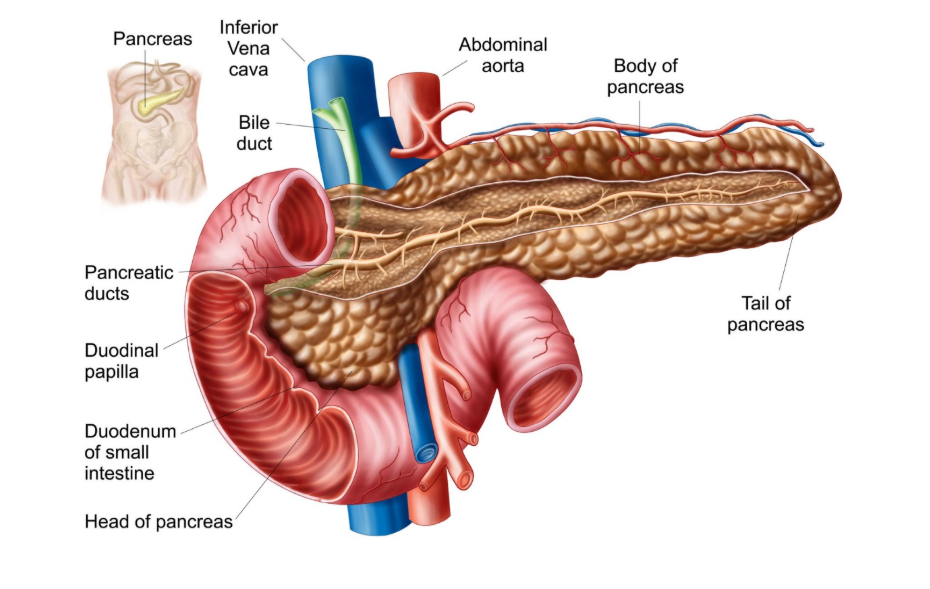
Unintended weight loss is a hallmark sign of chronic pancreatitis, where the organ has been permanently scarred by repeated inflammation. As healthy tissue is replaced by scar tissue, the pancreas loses its “exocrine” function, meaning it can no longer produce enough enzymes for normal digestion. This is often referred to as pancreatic exocrine insufficiency. Chronic pancreatitis is where the pancreas has been permanently damaged over many years, and it can cause your body to be unable to break down fats, leading to oily stools and weight loss. Even if a patient has a normal appetite, they may lose weight because the nutrients in their food are being excreted rather than absorbed. In the UK, clinicians monitor for this specific type of weight loss as it indicates the need for long term nutritional support.
The link between fat digestion and weight loss
The digestion of fats is particularly dependent on a specific enzyme called lipase, which is produced by the pancreas. When lipase levels are low due to pancreatitis, dietary fats remain whole as they move through the intestines. This not only prevents the body from absorbing fat soluble vitamins and calories but also causes characteristic changes in bowel habits. Patients may notice that their stools are oily, pale, and very difficult to flush. This malabsorption of fat is a significant contributor to the rapid weight loss seen in severe pancreatic cases. In the United Kingdom, healthcare teams use stool tests to check for fat content, helping to confirm if weight loss is directly related to a lack of pancreatic enzymes.
Comparison of Weight Related Symptoms
| Feature | Acute Pancreatitis | Chronic Pancreatitis |
| Primary Cause | Pain and nausea (low intake) | Malabsorption (poor absorption) |
| Duration | Short term/Temporary | Long term/Persistent |
| Appetite | Usually very poor during flare | May be normal, but weight still falls |
| Stool Changes | Usually no major change | Oily, pale, and foul smelling stools |
| UK Management | Hospital fluids and rest | Enzyme replacement therapy (PERT) |
Clinical management of weight loss in the UK
When unintended weight loss is identified in a patient with pancreatitis, the focus of UK clinical care is on restoring the body’s ability to process food. This is primarily achieved through Pancreatic Enzyme Replacement Therapy. These are capsules containing the missing enzymes that the patient must take with every meal and snack. According to the National Institute for Health and Care Excellence, patients with chronic pancreatitis should be offered enzyme replacement if they have symptoms of malabsorption or unintended weight loss. Additionally, dietitians in the NHS provide specialised advice on high calorie, high protein diets that are easier for the damaged pancreas to handle. This multi disciplinary approach aims to stop the weight loss and prevent complications such as bone thinning or vitamin deficiencies.
Monitoring and when to seek medical advice
Unintended weight loss should always be investigated by a healthcare professional, especially when it occurs alongside abdominal pain or changes in bowel habits. In the UK, a loss of more than five percent of total body weight over six months without trying is considered clinically significant. For patients with known pancreatitis, a sudden drop in weight may indicate that the condition is worsening or that a complication like a pseudocyst or even pancreatic cancer has developed. Regular check ups and blood tests to monitor nutritional markers such as vitamin levels and blood sugar are essential. Identifying these issues early allows for adjustments in enzyme dosages and dietary plans, ensuring the patient maintains enough strength for the recovery process.
Conclusion
Pancreatitis frequently causes loss of appetite and unintended weight loss due to systemic inflammation and the failure of the organ to produce digestive enzymes. While acute cases involve temporary low intake, chronic cases lead to persistent malabsorption of nutrients and fats. In the UK, management focuses on stabilising the patient through hospital care or long term enzyme replacement therapy. Maintaining a healthy weight is vital for the recovery and long term wellness of the pancreas. If you experience severe, sudden, or worsening symptoms, call 999 immediately.
Is it normal to lose weight after a gallbladder attack or pancreatitis?
Yes, the pain and inflammation often lead to a temporary loss of appetite, and your body uses a lot of energy to heal.
Will my weight come back once the inflammation is gone?
In acute cases, weight usually stabilises as you return to a normal diet, but in chronic cases, you may need medication to help you absorb food.
Can I just eat more to stop the weight loss?
If you have malabsorption, eating more may not help as the nutrients will still pass through your system; you need enzymes to help you digest the food.
Why are my stools oily if I am losing weight?.
Oily stools, or steatorrhea, occur when the pancreas is not producing enough lipase to break down dietary fats.
Are there specific vitamins I should take if I have lost weight?
Pancreatitis can lead to deficiencies in fat soluble vitamins like A, D, E, and K, but you should only take supplements as directed by your clinical team.
Does alcohol make the weight loss worse?
Yes, alcohol is a major cause of pancreatic damage and can further irritate the digestive system, making it harder to maintain a healthy weight.
Can children with pancreatitis lose weight?
Yes, children can experience significant weight loss and growth issues if their pancreatitis leads to long term malabsorption.
Authority Snapshot (E-E-A-T Block)
This article was developed by the Medical Content Team to provide clear education on the nutritional impacts of pancreatic disease. The content has been reviewed by Dr. Stefan Petrov, a UK-trained physician with experience in general surgery and emergency medicine, to ensure absolute alignment with NHS and NICE clinical guidance. Our purpose is to help the public understand the significance of unintended weight loss through factual reporting.
