
Nausea and vomiting are primary symptoms of pancreatitis and frequently occur alongside severe abdominal pain during an inflammatory episode. The pancreas is a vital glandular organ situated behind the stomach that produces digestive enzymes and hormones like insulin. This internal distress often disrupts the normal function of the digestive tract, triggering the brain’s vomiting centre as a protective or reactive mechanism. In the United Kingdom, healthcare professionals monitor these symptoms closely during hospital admissions to assess the severity of the condition and to prevent secondary complications such as dehydration. Understanding the biological reasons for nausea and vomiting in the context of pancreatic health helps patients identify when their symptoms require urgent clinical evaluation rather than home management.
What We’ll Discuss in This Article
- The biological link between pancreatic inflammation and nausea
- Why vomiting is a hallmark symptom of acute pancreatitis
- The impact of digestive enzyme disruption on the stomach
- Distinguishing pancreatic nausea from other digestive issues
- How the NHS manages dehydration caused by persistent vomiting
- Nutritional considerations during the recovery from inflammation
- When nausea indicates a progression of the condition
Nausea and vomiting are very common symptoms of pancreatitis because the inflammation irritates the nerves and disrupts the normal movement of the digestive system
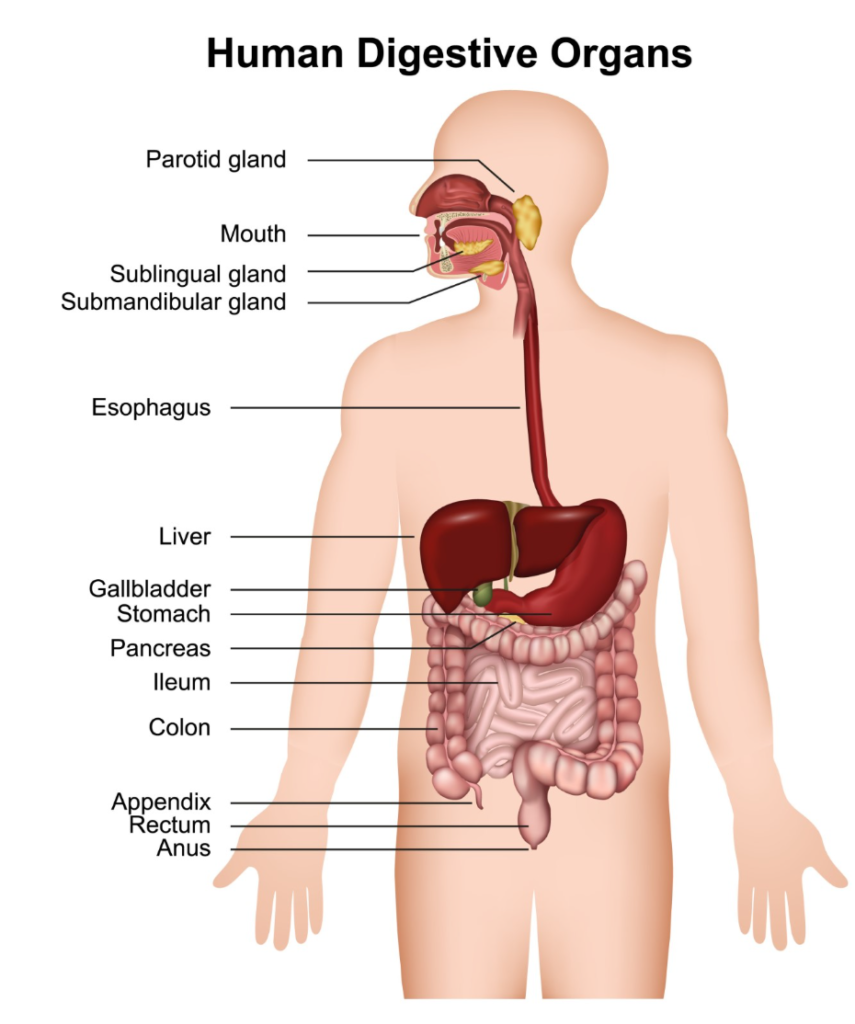
In the United Kingdom, clinical observations confirm that most people with acute pancreatic inflammation will experience some degree of nausea. Acute pancreatitis is where the pancreas becomes inflamed over a short period of time, and symptoms include feeling or being sick. The inflammation of the pancreas can cause a temporary paralysis of the nearby intestines, a condition known as ileus, which prevents food and fluids from moving through the gut correctly. This backup of gastric contents, combined with the chemical irritation of the abdominal lining by leaked enzymes, creates a strong urge to vomit. Unlike simple food poisoning, this nausea is often persistent and is typically accompanied by intense pain in the upper abdomen.
The role of the nervous system and enzyme leakage
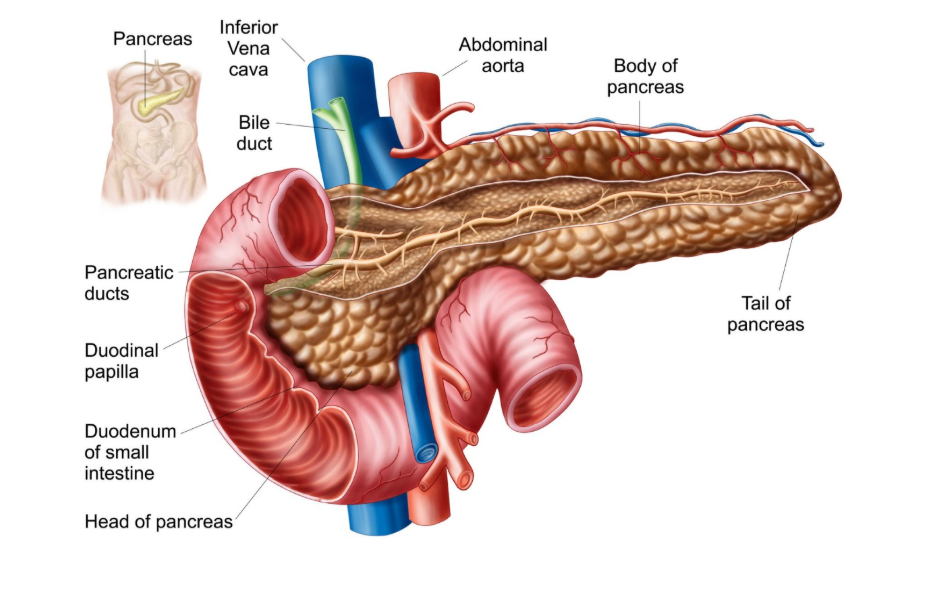
The pancreas is located deep within the abdomen, close to a complex network of nerves known as the celiac plexus. When the organ swells, it places direct pressure on these nerves, which can trigger the sensation of nausea and a systemic stress response. Pancreatitis is inflammation of the pancreas, which can be caused by gallstones or alcohol. Furthermore, if the inflammation causes digestive enzymes to leak into the abdominal cavity, it leads to peritonitis, an irritation of the lining of the abdomen. This irritation is a potent trigger for vomiting. UK healthcare professionals use the presence and frequency of vomiting as an indicator of how much the inflammation is affecting the rest of the digestive system.
Nausea in acute versus chronic pancreatitis
While nausea and vomiting are most characteristic of acute episodes, they can also affect individuals with chronic pancreatic damage. In acute cases, the vomiting is usually sudden and severe, often providing no relief from the underlying abdominal pain. In chronic pancreatitis, nausea may be more gradual or related to the body’s inability to digest fats correctly. Chronic pancreatitis is where the pancreas has been permanently damaged from inflammation, which can lead to problems with digestion and oily stools. As the organ loses its ability to produce enzymes, the presence of undigested food in the small intestine can cause bloating and a persistent feeling of sickness. Management in the UK focuses on replacing these enzymes to reduce the digestive stress that leads to chronic nausea.
Managing dehydration and electrolyte balance in the UK
Persistent vomiting associated with pancreatitis carries a high risk of dehydration and the loss of essential minerals, which can place strain on the kidneys. In the United Kingdom, hospital treatment for pancreatitis prioritises the replacement of fluids through an intravenous drip. This bypasses the digestive system, allowing the pancreas to “rest” while ensuring the body remains hydrated. Clinicians also monitor electrolyte levels, such as potassium and sodium, which are often depleted during bouts of sickness. Maintaining this balance is essential for heart and muscle function, and it is one of the reasons why severe vomiting in the context of upper abdominal pain is treated as a clinical priority within the NHS.
Comparison of Nausea Causes in Abdominal Conditions
| Condition | Nature of Nausea/Vomiting | Primary Associated Symptom |
| Acute Pancreatitis | Persistent, often severe | Intense pain radiating to the back |
| Gallstones | Often episodic after fatty meals | Pain in the upper right abdomen |
| Stomach Ulcer | May be relieved or worsened by food | Burning sensation in the upper belly |
| Gastroenteritis | Usually accompanied by diarrhoea | Cramping and general body aches |
| Indigestion | Mild nausea, often with a sour taste | Heartburn or bloating |
Nutritional support during recovery
When a patient is experiencing significant nausea and vomiting due to pancreatitis, they are often advised to stop eating or drinking for a short period to avoid overstimulating the organ. Once the inflammation begins to settle and the nausea subsides, UK healthcare teams introduce fluids and light foods gradually. According to the National Institute for Health and Care Excellence, nutritional support should be provided to patients with severe pancreatitis who are unable to tolerate oral food. This may involve specialised feeding through a tube if the vomiting persists for a long period. Ensuring that the patient receives adequate nutrition without triggering further episodes of sickness is a delicate balance that is managed by dietitians and specialists in a hospital setting.
When to seek medical attention for nausea
It is important to recognise that nausea and vomiting associated with pancreatitis are rarely isolated symptoms. They almost always occur with significant abdominal pain, and sometimes with a high temperature or a rapid heartbeat. In the UK, these are considered “red flag” symptoms that require urgent assessment. If the vomiting is accompanied by yellowing of the skin or eyes (jaundice), it may indicate that a gallstone is blocking both the pancreatic and bile ducts. Clinical evaluation using blood tests to check pancreatic enzyme levels and imaging like an ultrasound or CT scan is necessary to confirm the cause and start the correct treatment to settle the inflammation and stop the sickness.
Conclusion
Nausea and vomiting are hallmark signs of pancreatitis caused by nerve irritation, digestive disruption, and the premature activation of enzymes. These symptoms are most severe in acute cases and require hospital management with intravenous fluids to prevent dehydration. In the UK, the focus is on resting the pancreas while stabilising the patient’s fluid and electrolyte levels. Persistent sickness should always be evaluated by a healthcare professional, especially when accompanied by upper abdominal pain. If you experience severe, sudden, or worsening symptoms, call 999 immediately.
Why does vomiting not help the pain in pancreatitis?
In conditions like food poisoning, vomiting can sometimes ease discomfort, but in pancreatitis, the pain is caused by organ inflammation which vomiting does not resolve.
Can I take anti-sickness tablets at home for this?
Severe nausea with abdominal pain should be reviewed by a professional; while anti-sickness meds help, they won’t treat the underlying inflammation.
How long does the vomiting usually last?
In acute cases, vomiting often persists until the inflammation is settled with hospital treatment, which usually takes a few days.
Is it normal to feel sick every time I eat after having pancreatitis?
Some people experience lingering nausea as their digestion recovers; a low-fat diet and smaller meals can often help manage this.
Can dehydration from vomiting make pancreatitis worse?
Yes, dehydration can reduce blood flow to the pancreas, which may worsen the inflammation and increase the risk of complications.
Is nausea a sign that my pancreatitis is becoming chronic?
Not necessarily; nausea is very common in acute episodes, but persistent nausea linked to food may be a sign of long-term digestive issues.
Can children get nausea from pancreatitis?
Yes, children with pancreatitis will often have severe vomiting and abdominal pain, requiring immediate paediatric assessment.
Authority Snapshot (E-E-A-T Block)
This article was developed by the Medical Content Team to provide clear education on the symptoms of pancreatic inflammation. The content has been reviewed by Dr. Rebecca Fernandez, a UK-trained physician with experience in general surgery and emergency medicine, to ensure absolute alignment with NHS and NICE clinical guidance. Our purpose is to help the public recognise serious health signs through factual and restrained reporting.
