
Pancreatitis can lead to permanent damage to the pancreas, particularly when inflammation is severe or occurs repeatedly over a long period. While a single mild episode of acute pancreatitis often resolves without leaving lasting effects, more serious cases can result in the death of pancreatic tissue or the formation of extensive scar tissue. This structural change, known as fibrosis, can impair the organ’s ability to produce essential digestive enzymes and hormones, potentially leading to lifelong health challenges that require careful medical management.
What We’ll Discuss in This Article
- The difference between reversible inflammation and permanent scarring.
- How recurrent acute episodes transition into chronic damage.
- The impact of pancreatic necrosis on organ structure.
- Functional consequences such as enzyme deficiency and diabetes.
- The role of lifestyle factors in accelerating permanent damage.
- Clinical methods used to assess the extent of pancreatic scarring.
Reversible Inflammation versus Permanent Fibrosis
The potential for the pancreas to heal depends largely on the severity and frequency of the inflammatory episodes. In mild acute pancreatitis, the inflammation is typically temporary, and the pancreatic tissue can return to its normal state once the underlying cause is addressed. However, if the inflammation is intense or happens multiple times, the body’s repair process can lead to the formation of tough, fibrous scar tissue instead of healthy cells.
This scarring, or fibrosis, is a permanent structural change that cannot be reversed by medication or surgery. As more of the pancreas becomes scarred, the organ may shrink or develop irregularities in its ductal system. The development of permanent damage is a hallmark of chronic pancreatitis, where the organ is subjected to ongoing or repeated injury that prevents full recovery.
The Impact of Pancreatic Necrosis
Severe acute pancreatitis can cause a complication called necrosis, where parts of the pancreatic tissue die due to a lack of blood supply. Necrosis is a form of permanent damage because the dead tissue cannot be regenerated by the body. Once a portion of the pancreas has undergone necrosis, that specific area can no longer perform its digestive or hormonal functions.
If the necrotic areas become infected, the damage can spread, and surgical or radiological intervention may be required to remove the dead material. Even after the infection is cleared and the patient recovers, the loss of that tissue is permanent. The long-term impact on the patient depends on how much of the pancreas was affected and whether the remaining healthy tissue can compensate for the loss.
Functional Consequences of Permanent Damage
When a significant portion of the pancreas is permanently damaged, it results in a loss of function that affects the entire body. The pancreas has two main roles: producing enzymes to digest food and producing insulin to regulate blood sugar. Permanent scarring can lead to exocrine pancreatic insufficiency, where the body can no longer break down fats and proteins, resulting in weight loss and malnutrition.
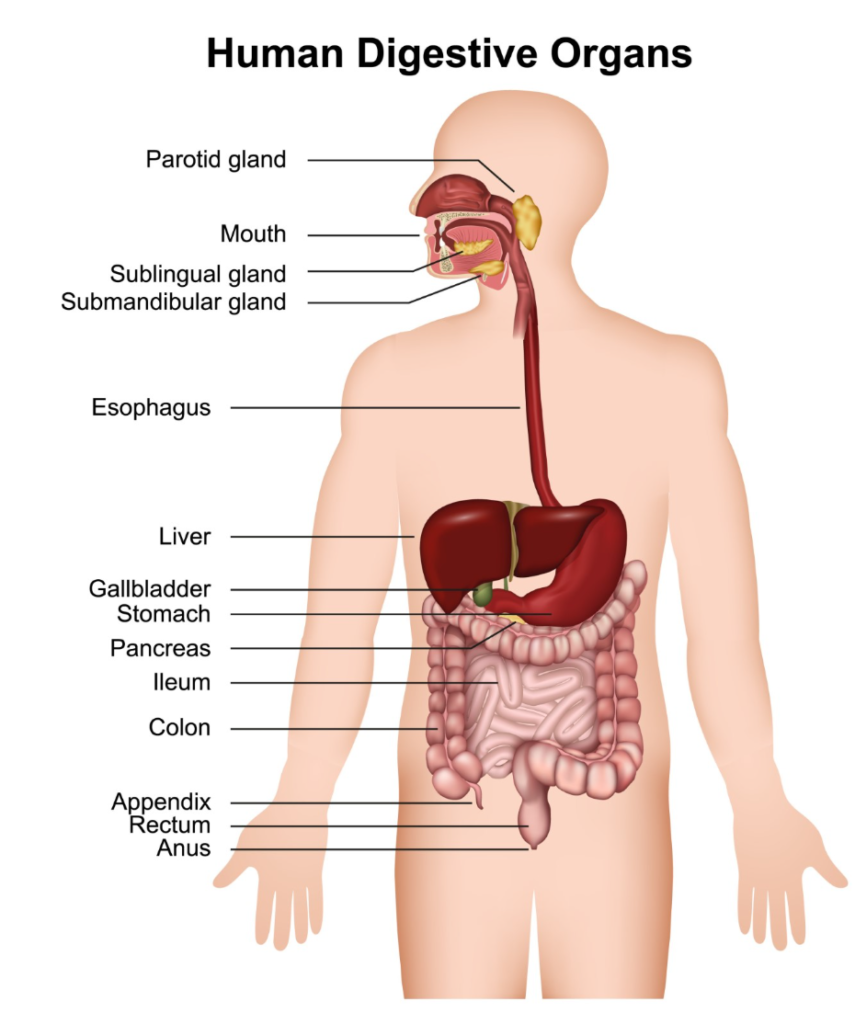
Furthermore, damage to the insulin-producing islet cells can lead to Type 3c diabetes. Because the pancreas is physically scarred or reduced in volume, it cannot meet the body’s demand for insulin. NICE guidelines recommend that patients with evidence of chronic pancreatic damage undergo regular screening for diabetes and nutritional deficiencies to manage these permanent functional losses.
Progression from Acute to Chronic States
Permanent damage often develops through a progression where repeated acute attacks gradually lead to a chronic state. Each flare-up of inflammation adds a new layer of scar tissue, slowly eroding the organ’s functional reserve. This is why identifying the root cause of the first attack, such as gallstones or high alcohol consumption, is essential for stopping the cycle of injury before the damage becomes irreversible.
In some individuals, the transition to permanent damage happens silently, with low-level inflammation occurring over many years without causing a severe acute attack. By the time symptoms like oily stools or unintended weight loss appear, the structural damage to the pancreas may already be quite extensive. Early intervention and lifestyle changes are the only ways to slow this progression and protect the remaining healthy tissue.
Lifestyle Factors and Accelerated Damage
Specific lifestyle choices can significantly accelerate the rate at which the pancreas develops permanent damage. Smoking and alcohol consumption are the most prominent factors, as both are directly toxic to pancreatic cells and interfere with the organ’s ability to heal. Smoking, in particular, has been shown to speed up the transition from acute inflammation to chronic fibrosis and significantly increases the risk of pancreatic cancer in a damaged organ.
Maintaining a healthy weight and managing high levels of fats in the blood can also help reduce the risk of further injury. When the pancreas is already compromised, it is less resilient to metabolic stress. By eliminating toxins like tobacco and alcohol and following a low-fat diet, individuals can create an environment that supports the longevity of their remaining pancreatic function.
Comparison of Acute and Chronic Pancreatic States
The following table highlights the differences between temporary inflammation and permanent structural damage.
| Feature | Acute Pancreatitis | Permanent Damage (Chronic) |
| Tissue Condition | Swollen and inflamed | Scarred and fibrotic |
| Reversibility | Often fully reversible | Irreversible scarring |
| Primary Cause | Gallstones, sudden triggers | Recurrent attacks, alcohol, smoking |
| Pain Pattern | Sudden, intense, short-term | Persistent or recurring dull ache |
| Organ Function | Usually recovers | Gradually declines |
| Imaging Signs | Fluid and swelling | Calcification and duct changes |
Conclusion
Pancreatitis can lead to permanent damage when inflammation is severe or occurs repeatedly, resulting in irreversible scarring of the organ. This damage can significantly impair the organ’s ability to assist in digestion and regulate blood sugar, leading to long-term conditions like pancreatic insufficiency and diabetes. While existing scar tissue cannot be removed, further damage can be prevented through medical management and strict adherence to healthy lifestyle choices. If you experience severe, sudden, or worsening symptoms, call 999 immediately.
Can the pancreas heal itself after an attack?
The pancreas can often heal completely after a single mild attack of acute pancreatitis. However, its ability to repair itself decreases with every subsequent episode or if the initial inflammation was very severe.
How do I know if my pancreas is permanently damaged?
Doctors use imaging tests like CT or MRI scans to look for signs of scarring or calcification. Functional tests, such as checking for diabetes or measuring stool enzymes, also help determine if the damage is permanent.
Does a scarred pancreas increase the risk of cancer?
Yes, chronic pancreatitis and the associated scarring are known risk factors for pancreatic cancer. Regular monitoring and avoiding smoking are essential for managing this risk.
Can surgery fix the scarring on my pancreas?
No, surgery cannot remove scar tissue to restore function. Surgery is generally used to treat complications like blockages or to remove the gallbladder if stones were the cause of the inflammation.
Will I need to take medication forever if my pancreas is damaged?
If the damage has caused a loss of function, you may need to take pancreatic enzyme replacement therapy or insulin for the rest of your life to manage digestion and blood sugar.
Can a low-fat diet stop the damage from getting worse?
A low-fat diet reduces the workload on the pancreas, which can help prevent further flare-ups and slow the progression of scarring, especially when combined with other lifestyle changes.
Is alcohol safe if I only have a small amount of damage?
No, for a pancreas that has already been inflamed or damaged, alcohol is a major irritant that can trigger new attacks and accelerate the scarring process.
Authority Snapshot (E-E-A-T)
This article provides educational information on the permanent structural and functional impacts of pancreatitis according to UK clinical standards. The content is strictly aligned with the guidelines of the National Health Service (NHS) and the National Institute for Health and Care Excellence (NICE). It has been reviewed by the Medical Content Team and Dr. Rebecca Fernandez to ensure clinical accuracy and relevance for the general public.
