
Dietary choices play a critical role in the management of pancreatic health, as the consumption of fat significantly increases the functional demands placed on the pancreas. When the pancreas is inflamed, a condition known as pancreatitis, it becomes highly sensitive to any stimuli that trigger the release of these potent enzymes. In the United Kingdom, healthcare professionals frequently observe that patients with biliary or pancreatic issues experience a worsening of symptoms shortly after consuming high fat foods. Understanding why the pancreas reacts this way is vital for patients to manage their condition and avoid inflammatory flare ups. Following the evidence-based standards provided by the NHS and the National Institute for Health and Care Excellence ensures that individuals receive the correct dietary and clinical support to protect long term organ function.
What We’ll Discuss in This Article
- The biological reason why fatty foods trigger pancreatic pain
- How the pancreas and gallbladder work together during fat digestion
- Characteristics of pain that occur after eating high fat meals
- The difference between acute flare ups and chronic digestive pain
- Why gallstones are a common link between fat intake and pancreatitis
- UK clinical advice for managing dietary fats during recovery
- Recognising when post-meal pain requires urgent medical assessment
Pancreatitis causes severe pain after a fatty meal because the ingestion of fat triggers the pancreas to produce and release digestive enzymes which further irritate the already inflamed organ tissue
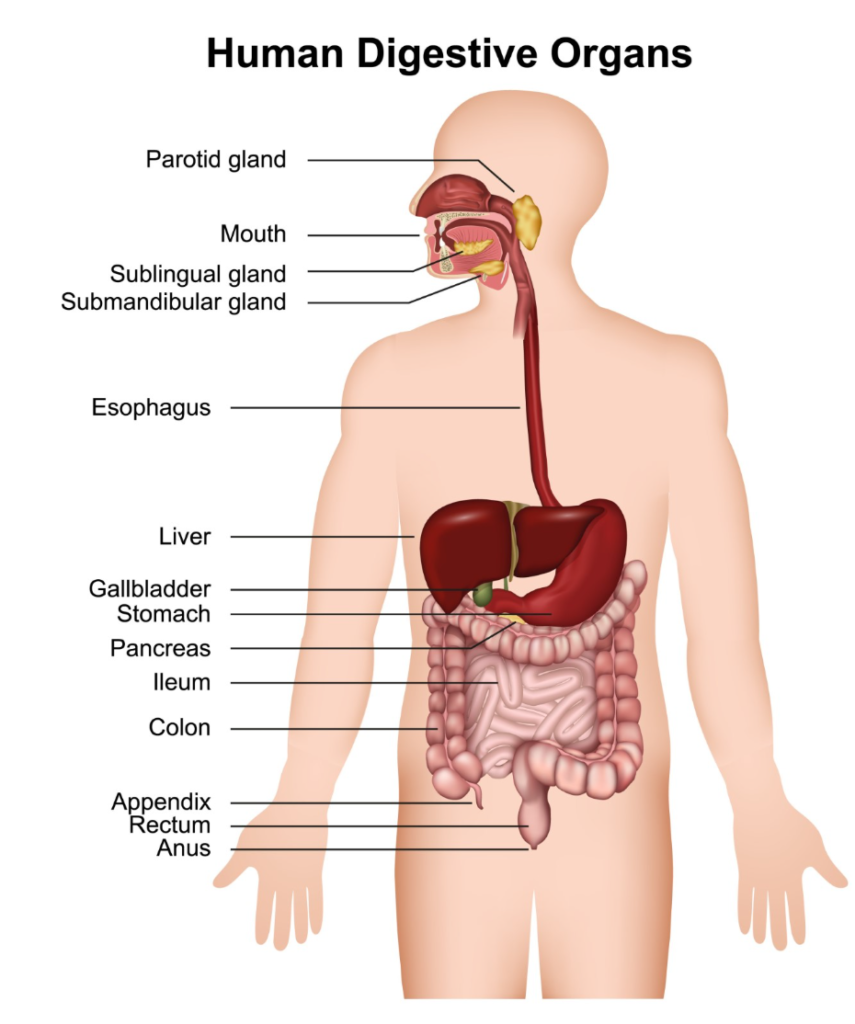
The primary function of the exocrine pancreas is to respond to the presence of food in the stomach by sending enzymes through the pancreatic duct into the small intestine. Pancreatitis is inflammation of the pancreas, which can be acute or chronic and is often caused by gallstones or alcohol. When you eat a fatty meal, the body releases hormones that tell the pancreas to work harder to produce lipase, the enzyme responsible for fat breakdown. If the pancreas is already swollen or damaged, this surge in activity increases internal pressure and chemical irritation. In the United Kingdom, clinicians recognise this “postprandial” pain as a hallmark sign that the pancreas is struggling to meet digestive demands without causing further injury to itself.
The mechanical link between gallstones and fatty meals
In the United Kingdom, gallstones are the most frequent cause of acute pancreatitis, and their impact is often felt most intensely after consuming fat. When a fatty meal enters the digestive tract, the gallbladder also contracts to release bile, which helps emulsify fats. The most common cause of acute pancreatitis is gallstones, which can block the opening of the pancreatic duct. If a stone is present, the strong contraction of the gallbladder can push that stone into the shared ductal system, obstructing the flow of both bile and pancreatic juices. This mechanical blockage leads to a rapid buildup of pressure and the premature activation of enzymes within the pancreas, resulting in sudden and severe pain that often radiates through to the back.
Distinguishing pancreatic pain from biliary colic
While both the pancreas and the gallbladder react to fat, the nature and location of the pain can help UK healthcare professionals differentiate between the two. Biliary colic, which is pain caused by a gallstone temporarily blocking a duct, is usually felt in the upper right part of the abdomen and may last for a few hours before subsiding. In contrast, the pain from pancreatitis is often located in the centre of the upper abdomen, below the breastbone, and is described as a persistent, boring sensation that does not go away. The most common symptom of acute pancreatitis is a sudden, severe pain in the centre of your tummy, which often feels worse after eating. Understanding this distinction is essential for clinicians to decide whether a patient requires immediate hospital stabilisation or a planned procedure to remove gallstones.
Chronic pancreatitis and fat malabsorption
For individuals with chronic pancreatitis, eating fatty meals can cause a different type of digestive distress alongside persistent pain. Chronic inflammation leads to permanent scarring of the organ, which eventually prevents it from making enough enzymes to digest fat at all. This condition is known as pancreatic exocrine insufficiency. When fat remains undigested, it passes through the intestines, causing bloating, wind, and the production of oily, foul smelling stools. Patients may find that even small amounts of fat trigger these symptoms. In the UK, this is managed by providing the missing enzymes in capsule form, which must be taken with every meal to ensure that nutrients are absorbed correctly and to reduce the painful workload on the scarred pancreas.
Comparison of Pain Patterns After Eating
| Condition | Pain Location | Timing After Meal | Typical Description |
| Pancreatitis | Upper centre/Back | 30 to 60 minutes | Constant, sharp, boring |
| Gallstones | Upper right | 1 to 2 hours | Episodic, cramping |
| Indigestion | Upper centre | Immediate | Burning or bloating |
| Stomach Ulcer | Upper centre | Varies by food type | Gnawing or hungry feeling |
UK clinical management of dietary triggers
When a patient is admitted to a UK hospital with pancreatitis, the initial focus is on “resting” the pancreas by limiting oral intake and providing fluids intravenously. Once the inflammation begins to settle, healthcare teams gradually reintroduce food, starting with a low fat diet. This approach minimises the stimulation of the pancreas while the tissue is still vulnerable. According to the National Institute for Health and Care Excellence, patients who have recovered from acute pancreatitis should be advised on a healthy, balanced diet to prevent future attacks. Dietitians within the NHS work with patients to identify high fat “trigger” foods, such as fried items, pastries, and heavy creams, and suggest healthier alternatives that provide necessary nutrition without causing a recurrence of the severe abdominal pain.
Long term prevention and lifestyle modifications
Maintaining a healthy lifestyle is the most effective way to prevent the recurrence of pancreatitis triggered by fatty meals. In addition to dietary modifications, weight management is essential in the UK because being overweight increases the risk of developing gallstones. Regular physical activity and a diet high in fibre can help regulate cholesterol levels and support overall biliary health. For those who have experienced alcohol related pancreatitis, total abstinence is required, as alcohol significantly increases the sensitivity of the pancreas to other triggers like dietary fat. By following these evidence based lifestyle changes, individuals can support their pancreatic recovery and reduce the likelihood of experiencing the intense, debilitating pain associated with post-meal inflammatory episodes.
Conclusion
Pancreatitis frequently causes severe pain after a fatty meal because the organ is forced to work harder while it is already inflamed. High fat foods stimulate the release of digestive enzymes and can cause gallstones to block the pancreatic duct, leading to a rapid increase in pressure. In the UK, management involves resting the pancreas followed by a transition to a low fat diet supported by clinical monitoring. Recognising the relationship between food and pain is vital for preventing long term damage and future hospital admissions. If you experience severe, sudden, or worsening symptoms, call 999 immediately.
Why does the pain from a fatty meal last so long?
The pain lasts because the enzymes released have caused chemical irritation or damage to the pancreas that takes time for the body to settle and repair.
Can I eat small amounts of fat if I have had pancreatitis?
Once you have recovered, small amounts of healthy, unsaturated fats are usually tolerated, but you should always follow the specific advice given by your NHS dietitian.
Is it normal to feel sick as well as have pain after eating?
Yes, nausea and vomiting are very common as the inflammation disrupts the normal movement of the stomach and intestines.
What are the worst “fatty” foods for the pancreas?
Fried foods, fatty meats, butter, cream, and highly processed pastries are generally the most significant triggers for pancreatic distress.
Does everyone with pancreatitis need to take enzymes?
Enzyme supplements are usually required for people with chronic pancreatitis who can no longer produce enough of their own to digest food.
Can a fat-free diet cure my pancreatitis?
While a low fat diet prevents flare ups, it is not a “cure” for the underlying inflammation or scarring, but it is a vital part of management.
Why does leaning forward help the pain after eating?
Leaning forward can take the weight of other organs off the inflamed pancreas and reduce the pressure on the nerves located behind it.
Authority Snapshot (E-E-A-T Block)
This article was developed by the Medical Content Team to provide clear education on the dietary triggers of pancreatic inflammation. The content has been reviewed by Dr. Stefan Petrov, a UK-trained physician with experience in general surgery and emergency medicine, to ensure absolute alignment with NHS and NICE clinical guidance. Our purpose is to help the public understand the link between diet and health through factual reporting.
