




It is very common for someone to experience both anxiety and depression at the same time because these conditions share overlapping biological pathways and often respond to similar environmental triggers. In the United Kingdom, healthcare professionals frequently see patients presenting with a mix of symptoms from both categories, a state often referred to clinically as mixed anxiety and depressive disorder.
What We’ll Discuss in This Article
- The biological relationship between anxiety and depression symptoms.
- Identifying shared markers such as sleep disruption and fatigue.
- How the NHS assesses co-occurring mental health conditions.
- The impact of overlapping symptoms on daily functional stability.
- Integrated management strategies for addressing both conditions simultaneously.
- Accessing multidisciplinary support through primary care and talking therapies.
The Biological Link Between Anxiety and Depression
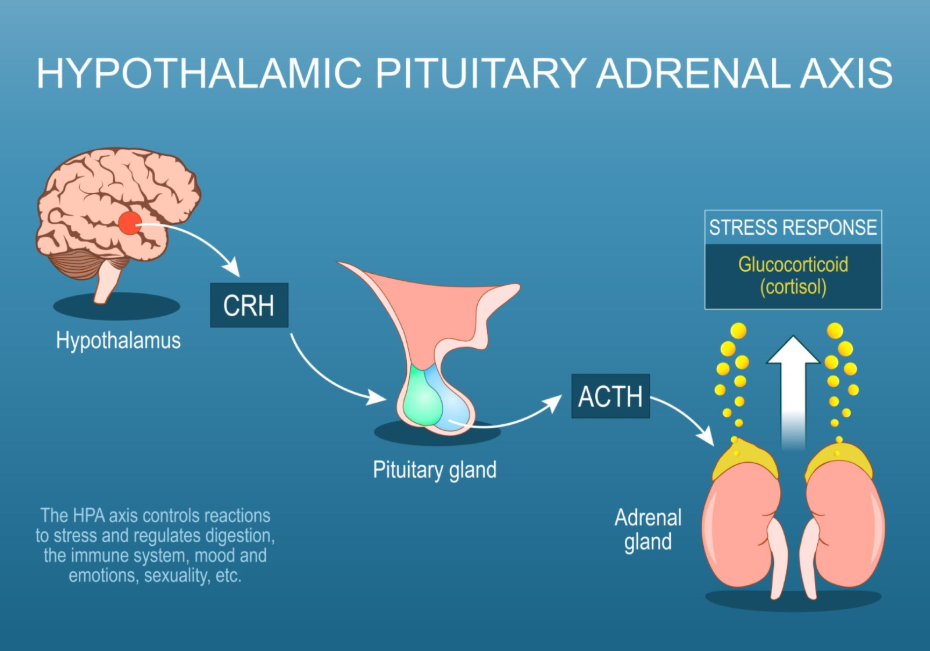
Anxiety and depression often occur together because they involve similar dysregulations in the brain’s neurotransmitter systems, specifically involving serotonin, dopamine, and norepinephrine. In the United Kingdom, clinical research focuses on how these chemical messengers facilitate communication between the emotional brain and the rational brain. The NHS states that it is common to have both depression and anxiety at the same time, and the symptoms of one can often lead to the other.
When these biological systems are out of balance, the nervous system can oscillate between a state of high alertness and a state of emotional exhaustion. In the UK, this professional framework provides a stable foundation for the health journey by identifying that these sensations are biological realities. By utilised these integrated pathways, the healthcare system ensures that every person’s profile is supported through evidence-based understanding. This coordinated effort prioritises the safety of the individual within a validated medical environment.
Identifying Overlapping Symptoms and Clinical Markers
Identifying co-occurring anxiety and depression involves looking for a combination of physical and psychological indicators that suggest both the “threat detection” and “mood regulation” systems are struggling. In the United Kingdom, healthcare professionals use standardised assessment tools to categorise these symptoms and determine the appropriate level of support. NICE clinical guidelines for common mental health problems indicate that a thorough assessment should consider the presence of both anxiety and depressive symptoms.
| Symptom Category | Manifestation in Anxiety | Manifestation in Depression |
| Sleep Quality | Difficulty falling asleep due to worry. | Early morning waking or oversleeping. |
| Energy Levels | Restless energy or feeling “on edge”. | Chronic fatigue and physical heaviness. |
| Cognitive Focus | Racing thoughts and hyper-vigilance. | Poor concentration and “brain fog”. |
| Physical State | Muscle tension and heart palpitations. | Aches, pains, and slowed movements. |
| Appetite | Often reduced due to nervous tension. | Can be significantly increased or decreased. |
In the UK, these challenges are managed through integrated care plans that prioritise a person-centred approach. Identifying that irritability or sleep disruption is a biological response to both conditions helps the multidisciplinary team select the most effective management strategy. This professional oversight is essential for providing a safe and accurate understanding of the individual’s functional capability. By building a robust evidence base through clinical review, the healthcare system provides a secure environment for long-term health.
The Functional Impact of Co-occurring Conditions
Experiencing both anxiety and depression simultaneously can have a significant cumulative impact on an individual’s ability to maintain their professional, social, and personal routines. In the United Kingdom, specialists recognise that the “exhaustion” of depression combined with the “worry” of anxiety can create a cycle that is difficult to manage without professional intervention. The GOV.UK health pages provide clinical profiles indicating that the monitoring of social and cognitive challenges is a priority for ensuring integrated support.
This state can lead to increased social withdrawal, as the individual may feel too anxious to interact with others and too low in energy to participate in activities. In the UK, the focus is on providing a stable foundation where the individual’s environment is reviewed alongside their metabolic and hormonal health. Identifying these underlying drivers allows for more targeted help that addresses the actual biological cause of distress. By utilised these professional frameworks, the UK system provides a life-long framework of support that adapts to the person’s needs.
Integrated NHS Management and Support
The management of co-occurring anxiety and depression in the United Kingdom involves an integrated approach that addresses both sets of symptoms through evidence-based psychological and lifestyle strategies. This journey ensures that every individual receives a thorough review of their history and current environment to build a bespoke management plan.
Common components of UK integrated support include:
- Initial GP Assessment: Discussing the mix of symptoms to facilitate a clinical review.
- Physical Health Screening: Ruling out non-psychological causes for fatigue or palpitations.
- Talking Therapies: Accessing support such as Cognitive Behavioural Therapy (CBT) which is effective for both conditions.
- Sleep Hygiene: Implementing routines to help regulate the body’s natural biological clock.
- Social Prescribing: Connecting with community groups to reduce isolation and improve mood.
- Regular Monitoring: Scheduled reviews to ensure management strategies remain effective and safe.
In the UK, the focus is on providing a stable foundation for the individual to move forward with self-understanding. The NHS ensures that adults and children have a consistent point of contact for their health needs while they navigate their lives. This integrated approach ensures that the person’s unique way of functioning is respected within their home and work environment. By utilised these integrated pathways, the healthcare system provides a secure environment for building long-term mental wellbeing.
Accessing Multidisciplinary Support Pathways
The pathway for managing overlapping mental health conditions in the United Kingdom is a coordinated process involving primary care and specialist mental health services through the NHS. This journey ensures that every individual receives a thorough review of their history and current environment to build a bespoke management plan.
The UK integrated support pathway involves:
- Consultation: Speaking with a GP about the presence of both low mood and persistent worry.
- Standardised Tools: Completing questionnaires that measure the severity of both anxiety and depression.
- Specialist Referral: Accessing multidisciplinary teams for complex or persistent overlapping symptoms.
- Integrated Care Planning: Co-ordinating support between the health service, family, and workplace.
- Monitoring: Regular follow-up appointments to track changes in symptoms and functional stability.
In the UK, the focus is on providing a stable foundation for the individual to move forward with self-understanding. The NHS ensures that adults and children have a consistent point of contact for their health needs while they navigate their lives. By utilised these integrated pathways, the healthcare system provides a secure environment for building long-term mental wellbeing across the UK population. These strategies aim to work with the individual’s biology to restore a sense of calm and purpose.
Conclusion
It is common to have both anxiety and depression at the same time due to their shared biological roots and overlapping symptoms within the United Kingdom’s healthcare framework. The NHS and professional bodies provide a robust system of multidisciplinary assessments and evidence-based therapies to help individuals manage these challenges. By focusing on both the biological roots of the stress response and the need for supportive environments, the system promotes the highest possible level of independence. Following a coordinated management plan with the help of medical and psychological experts ensures that unique adult and paediatric needs are addressed holistically.
Can one condition cause the other?
Yes; the persistent stress of anxiety can lead to the exhaustion of depression, and the limitations of depression can cause worry about the future.
Is the treatment different if I have both?
Many talking therapies in the UK, like CBT, are designed to address the thought patterns and behaviours found in both conditions.
Why do I feel both restless and tired?
This is a common feature of co-occurring conditions, where the body is in a state of high physical tension but low emotional energy.
How does a GP decide which condition is primary?
Clinicians in the UK will look at your history to see which symptoms appeared first and which are having the greatest impact on your life.
Can physical health issues mimic both?
Yes; conditions like thyroid dysfunction can cause both anxiety and low mood, which is why a GP will usually perform a physical check.
Is there a single name for having both?
Healthcare professionals in the UK may use the term “mixed anxiety and depressive disorder” when symptoms of both are present but neither predominates.
Who should I talk to first if I am struggling?
The first point of contact in the United Kingdom is usually your GP to discuss your health and explore support options.
Authority Snapshot (E-E-A-T)
This article provides medically factual health education regarding co-occurring anxiety and depression, strictly aligned with NHS and NICE clinical guidelines. The content is developed by a professional medical writing team and reviewed by Dr. Rebecca Fernandez, a UK-trained physician with experience in multiple clinical specialties including cardiology, emergency medicine, and psychiatry. All information follows current UK public health protocols to ensure clinical accuracy and patient safety.



