
The relationship between emotional well-being and digestive health is a recognised physiological phenomenon where psychological distress can directly influence bowel function. When the body experiences stress or anxiety, it activates biological pathways that can alter the speed and efficiency of the digestive system, frequently resulting in loose stools or urgency. This connection is rooted in the complex communication network between the central nervous system and the enteric nervous system, often referred to as the gut-brain axis.
What We’ll Discuss in This Article
- The biological mechanisms of the gut-brain axis
- How the fight-or-flight response affects digestion
- The link between anxiety and irritable bowel syndrome
- Distinguishing between emotional triggers and physical illness
- Managing stress-related digestive symptoms
- Clinical guidelines for when bowel changes require investigation
The Biological Link Between the Brain and the Gut
Stress and anxiety can cause diarrhoea because the brain and the digestive system are constantly communicating through a network of nerves and hormones. This bidirectional communication means that emotional signals from the brain can physically alter the movement and secretion of fluids in the intestines. The primary pathway for this connection is the vagus nerve, which serves as a main highway for signals travelling between the skull and the abdomen.
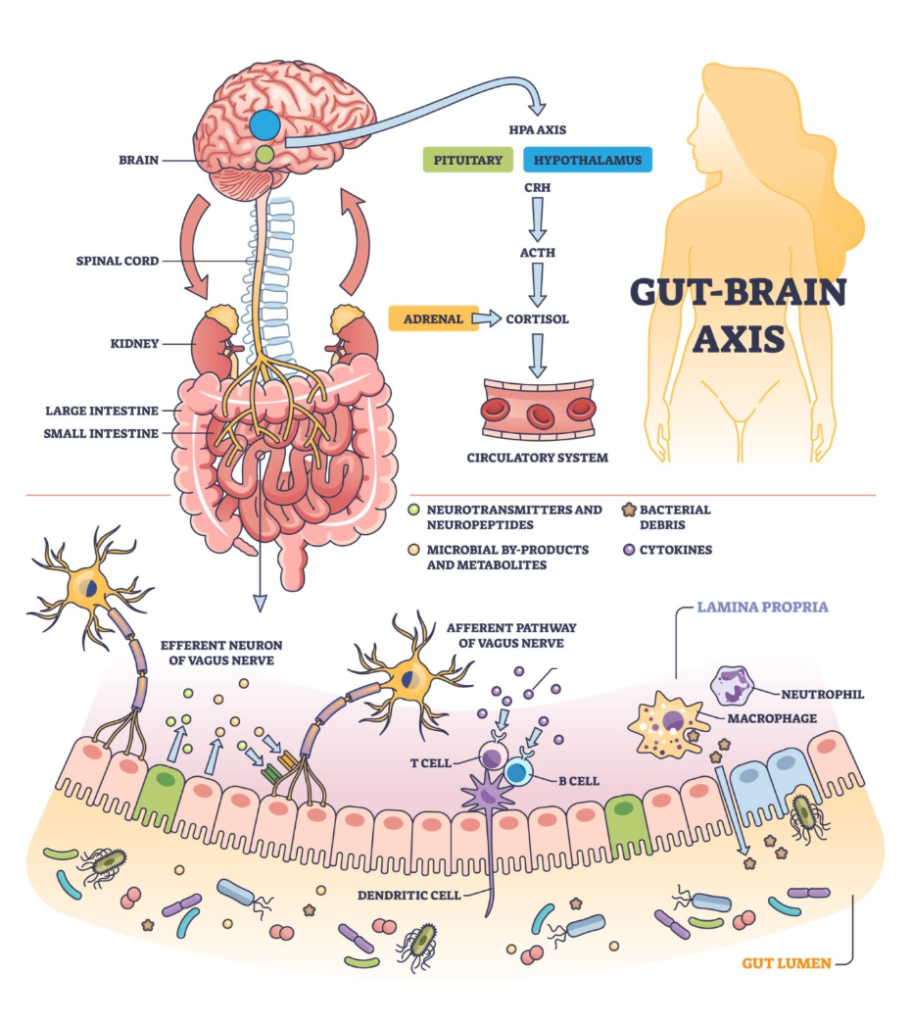
When the brain perceives a threat or feels anxious, it releases neurotransmitters such as serotonin and cortisol. While serotonin is often associated with mood in the brain, the vast majority of the body’s serotonin is actually found in the gut, where it regulates bowel motility. An overabundance of these chemical signals can cause the muscles in the colon to contract more frequently or forcefully than necessary. This increased speed prevents the colon from absorbing enough water from waste material, resulting in the watery consistency characteristic of diarrhoea.
The Fight-or-Flight Response and Digestion
The body’s natural response to perceived danger involves diverting resources away from non-essential functions like digestion to prioritise immediate survival. During an acute stress event, the sympathetic nervous system takes over, releasing adrenaline and noradrenaline. This physiological shift can have two seemingly contradictory effects on the digestive tract: it may slow down the stomach but significantly speed up the large intestine.
This rapid evacuation of the bowels is thought to be an evolutionary mechanism to lighten the body’s load in preparation for physical exertion. For individuals with chronic anxiety, this system may be inappropriately or frequently activated, leading to recurring bouts of loose stools even in the absence of a physical threat. Anxiety is a feeling of unease, such as worry or fear, that can be mild or severe and often has physical effects on the body.
Anxiety and Irritable Bowel Syndrome
There is a significant overlap between psychological distress and functional bowel disorders like Irritable Bowel Syndrome (IBS). In many cases, anxiety does not just cause temporary diarrhoea but can exacerbate the long-term symptoms of IBS, leading to a cycle where bowel urgency creates further social anxiety. This condition is characterised by a hypersensitive gut that reacts more intensely to normal digestive processes and emotional stimuli.
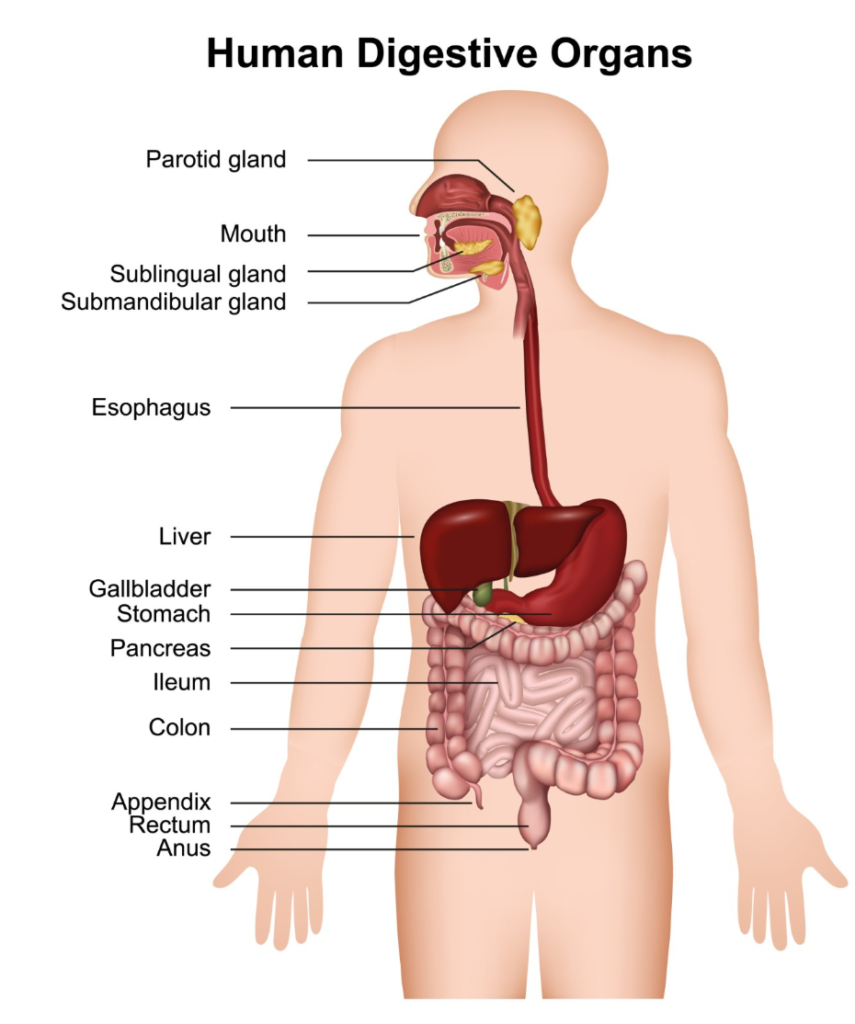
For people with IBS, the nerves in the gut lining are often more sensitive, meaning that even minor stress can trigger significant abdominal pain and a change in bowel habits. The National Institute for Health and Care Excellence notes that psychological interventions can be an effective part of a management plan for those with persistent irritable bowel syndrome symptoms. Understanding this link is essential for management, as treating the physical symptoms without addressing the underlying anxiety may only provide partial relief.
Distinguishing Stress from Other Medical Causes
While stress is a common trigger for diarrhoea, it is important to ensure that symptoms are not caused by infection, food intolerance, or inflammatory conditions. Stress-related diarrhoea typically occurs in close proximity to an emotional trigger and often resolves once the stressor is removed or managed. If diarrhoea occurs independently of mood or is accompanied by other physical signs, further investigation may be necessary.
| Feature | Stress-Related Diarrhoea | Infection or Inflammation |
| Timing | Often follows an anxious event | Constant or unrelated to mood |
| Pain | Usually cramping that eases after use | Persistent or severe pain |
| Systemic signs | No fever or weight loss | May include fever or weight loss |
| Stool quality | Loose but no blood | May contain blood or mucus |
If bowel changes persist for more than a few weeks regardless of stress levels, clinical tests are often used to rule out other causes. These may include blood tests for coeliac disease or stool tests to check for inflammation markers like calprotectin.
Managing Stress-Related Digestive Symptoms
Addressing diarrhoea caused by anxiety usually involves a combination of lifestyle adjustments and psychological support to calm the gut-brain axis. Reducing the intake of stimulants like caffeine and alcohol can be helpful, as these substances can worsen both anxiety and gut motility. Regular physical activity and adequate sleep also play a role in regulating the nervous system and supporting healthy digestion.
Psychological approaches such as Cognitive Behavioural Therapy (CBT) or mindfulness-based stress reduction are recognised for their ability to help patients manage the emotional triggers that lead to physical symptoms. These therapies work by changing the way the brain interprets stress, which in turn reduces the intensity of the signals sent to the gut. The NHS provides various talking therapies that can help people manage anxiety and its physical manifestations on health.
When to Seek Medical Advice
Persistent changes in bowel habits should always be discussed with a healthcare professional to ensure an accurate assessment. While stress is a frequent culprit, it is a diagnosis of exclusion in many clinical settings, meaning other potential issues must be considered first. This is particularly important for individuals over the age of 60 or those with a family history of gastrointestinal disease.
Specific symptoms that require prompt medical attention include blood in the stool, unexplained weight loss, or being woken up during the night by the need to pass a bowel movement. These “red flag” symptoms are generally not associated with simple stress or anxiety and suggest a need for further diagnostic investigation.
Conclusion
Stress and anxiety are significant and scientifically proven causes of diarrhoea due to the close relationship between the brain and the enteric nervous system. By understanding how emotional triggers influence gut motility, individuals can better manage their symptoms through a holistic approach. While lifestyle and psychological support are effective for many, persistent or unusual symptoms should be assessed by a clinician. If you experience severe, sudden, or worsening symptoms, call 999 immediately.
Can a single panic attack cause immediate diarrhoea?
Yes, a sudden surge in adrenaline and stress hormones can cause the bowel to contract rapidly, leading to immediate urgency and loose stools.
Is stress-related diarrhoea dangerous?
Generally, it is not dangerous, but frequent diarrhoea can lead to dehydration and the loss of essential salts, so maintaining fluid intake is important.
How long does stress-induced diarrhoea typically last?
It usually lasts as long as the period of acute stress; however, for those with chronic anxiety or IBS, symptoms may recur frequently over a longer period.
Are there specific foods that make stress-related diarrhoea worse?
Stimulants like caffeine, spicy foods, and artificial sweeteners can further irritate a gut that is already sensitive due to stress.
Can children experience diarrhoea due to anxiety?
Yes, children often experience physical symptoms like stomach aches or diarrhoea when they are worried, such as before school or exams.
Does deep breathing help stop diarrhoea?
Deep breathing exercises can help activate the parasympathetic nervous system, which may slow down gut motility and reduce the urgency associated with anxiety.
Is there a difference between “nervous stomach” and IBS?
A nervous stomach is often a temporary reaction to stress, whereas IBS is a diagnosed chronic condition with a specific set of criteria, though both involve the gut-brain axis.
Authority Snapshot (E-E-A-T)
This medical content is provided for educational purposes and is strictly aligned with the clinical standards of the NHS and NICE. The article has been reviewed by Dr. Rebecca Fernandez, a UK-trained physician with extensive experience in both physical medicine and psychiatry. This information is designed to support patient understanding of the link between mental and digestive health.
