




Gallstones are common in the United Kingdom and frequently remain asymptomatic for long periods. However, when these small deposits interfere with the natural flow of bile, they can cause a range of secondary health issues that vary in severity. In the UK, healthcare professionals monitor symptomatic gallstones closely because a blockage in the biliary system can affect not only the gallbladder but also the liver and the pancreas. While many people live without complications, leaving symptomatic stones unmanaged increases the risk of acute inflammation, systemic infection, or damage to neighbouring organs. Understanding these potential outcomes is essential for patients to recognise the importance of following prescribed treatment plans and seeking timely medical advice. National health guidelines provided by the NHS ensure that patients can identify the transition from minor discomfort to serious complications, facilitating access to necessary hospital care or surgical intervention when required to protect long term health.
What We’ll Discuss in This Article
- The progression from gallstones to acute gallbladder inflammation
- How trapped stones can cause serious bile duct infections
- The development of obstructive jaundice and liver irritation
- Understanding the risk of gallstone induced pancreatitis
- The rare but serious complication of gallbladder perforation
- Recognising systemic signs of infection such as fever and chills
- UK clinical pathways for managing complex biliary obstructions
Untreated gallstones can lead to several serious medical complications including gallbladder inflammation, jaundice, and acute pancreatitis
The primary risk of leaving symptomatic gallstones untreated is that a stone may move and create a permanent blockage in the digestive ducts. Gallstones can lead to serious complications if they block the flow of bile for long periods or move into other organs like the pancreas. These blockages cause a buildup of pressure and digestive fluids, leading to tissue damage and a high risk of bacterial infection. In the UK, clinicians view these complications as medical priorities because they often require hospital admission for stabilisation and specialist procedures. By addressing the stones before they cause a permanent obstruction, patients can avoid the systemic health risks associated with advanced biliary disease.
Acute cholecystitis and gallbladder infection
When a gallstone becomes permanently wedged in the neck of the gallbladder, it triggers a state of severe inflammation known as acute cholecystitis. This condition causes constant, intense pain that does not subside after a few hours and is often accompanied by a high temperature. Cholecystitis is inflammation of the gallbladder which usually happens when a gallstone blocks the cystic duct. If left untreated, the trapped bile can become infected, leading to a buildup of pus within the organ. This is a significant clinical event in the United Kingdom, as persistent infection can weaken the gallbladder wall, potentially leading to tissue death or a rupture, which requires urgent surgical intervention to prevent the infection from spreading throughout the abdominal cavity.
Biliary duct blockages and jaundice
A gallstone that migrates out of the gallbladder can become stuck in the common bile duct, which is the main pathway for bile travelling from the liver to the intestines. This obstruction prevents the liver from draining bile correctly, causing a pigment called bilirubin to build up in the blood. Gallstones can cause jaundice if they block the flow of bile out of the liver, leading to yellowing of the skin and eyes. Patients may also notice dark urine and pale stools, which are clear signs that the biliary system is compromised. In the UK, this is treated as an urgent matter to prevent a life-threatening infection of the bile ducts called cholangitis, which presents with a combination of jaundice, fever, and abdominal pain.
Acute pancreatitis and organ involvement
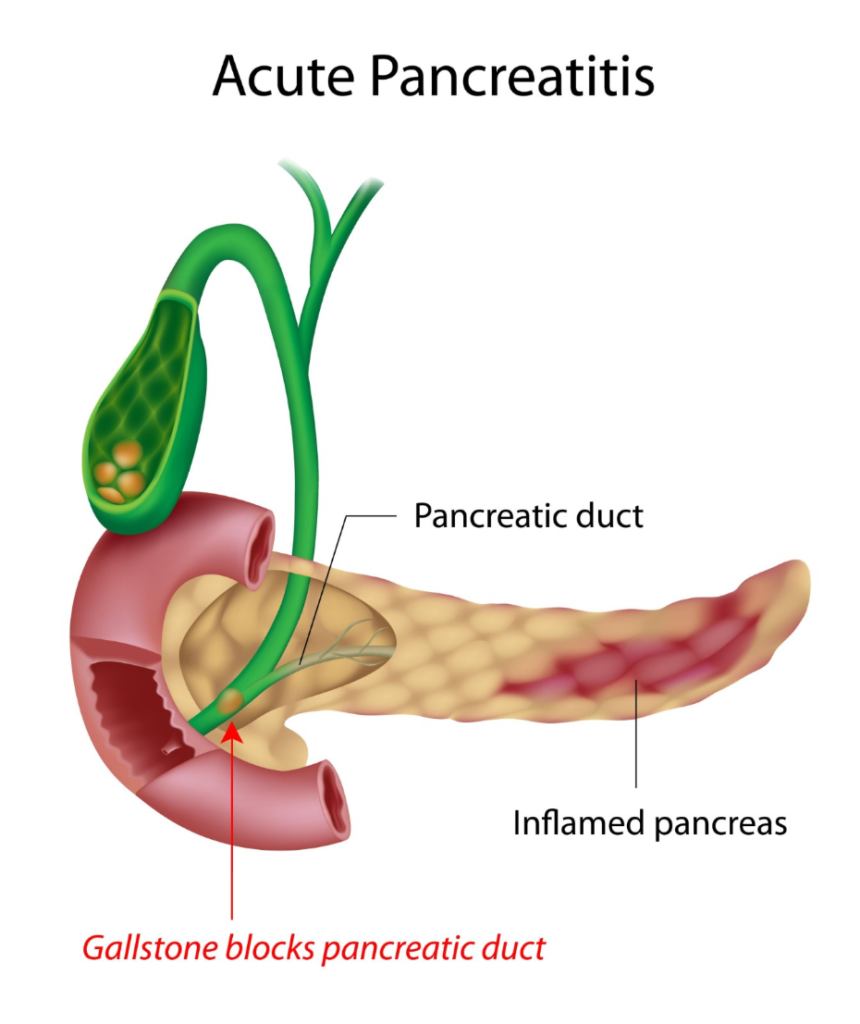
One of the most serious complications of untreated gallstones is the inflammation of the pancreas, which occurs when a stone blocks the shared duct near the entrance to the small intestine. Acute pancreatitis is a serious condition where the pancreas becomes inflamed over a short period of time, often caused by a gallstone blockage. When the pancreatic enzymes are trapped, they begin to irritate the pancreatic tissue, causing severe and persistent pain that often radiates to the back. This condition requires immediate hospitalisation in the UK for intensive monitoring, as it can lead to systemic complications and, in severe cases, multi organ failure if the underlying cause is not addressed promptly.
Gallbladder perforation and abscess formation
If inflammation and infection continue without clinical treatment, the pressure inside the gallbladder can become so high that the blood supply to the organ wall is cut off. This can lead to the formation of a hole, or perforation, in the gallbladder wall. A perforation allows infected bile to leak into the abdomen, which can cause a widespread and dangerous infection called peritonitis. Alternatively, the body may attempt to wall off the infection, leading to a localised collection of pus known as an abscess. Both of these scenarios are surgical emergencies in the United Kingdom and highlight why national guidelines emphasise early intervention for symptomatic gallbladder disease.
Conclusion
Untreated symptomatic gallstones can lead to serious and potentially life-threatening complications such as acute cholecystitis, jaundice, and pancreatitis. These conditions occur when stones cause permanent blockages in the biliary system, leading to inflammation, infection, and organ damage. Recognising the warning signs of these complications is vital for ensuring timely hospital treatment and surgical review. Following the clinical guidance provided by the NHS is the most effective way to manage the risks associated with gallbladder stones. If you experience severe, sudden, or worsening symptoms, call 999 immediately.
What happens if I ignore the pain of a gallbladder attack?
Ignoring persistent or recurring pain increases the risk that a stone will cause a permanent blockage, leading to infection or inflammation.
Can gallstones cause cancer if left untreated?
While chronic irritation is a risk factor for some gallbladder changes, most gallstone complications are inflammatory or infectious rather than cancerous.
Is jaundice always a medical emergency?
When jaundice is caused by a gallstone blockage, it is an urgent clinical matter that requires hospital assessment to prevent serious infection.
How do I know if my gallstones have affected my pancreas?
Pancreatitis usually causes severe, constant pain in the top of the tummy that feels like it is going through to your back.
Can gallstones lead to sepsis?
Yes, if a gallbladder or bile duct infection is left untreated, bacteria can enter the bloodstream and cause sepsis.
Will my gallbladder burst if I don’t have surgery?
A ruptured gallbladder is a rare but real complication of severe, untreated cholecystitis caused by gallstones.
Can these complications be prevented with diet?
A low-fat diet can reduce the frequency of attacks, but it does not remove the stones that cause the potential for serious blockages.
Authority Snapshot (E-E-A-T Block)
This article was developed by the Medical Content Team to provide the general public with clear education on the risks of gallbladder disease. The content has been reviewed by Dr. Stefan Petrov, a UK-trained physician with experience in general medicine and emergency care, to ensure absolute alignment with NHS and NICE clinical guidance. Our purpose is to help patients understand the importance of managing their condition through factual and restrained reporting.



