
Pancreatitis is a serious medical condition that, if left untreated or in its most severe forms, can lead to the failure of vital organs beyond the pancreas itself. When the pancreas becomes acutely inflamed, it can trigger a systemic inflammatory response throughout the body, affecting the function of the lungs, kidneys, and circulatory system. In the United Kingdom, healthcare professionals prioritise rapid hospital admission and intensive supportive care to prevent these systemic complications and to manage the risks associated with multi-organ failure.
What We’ll Discuss in This Article
- The biological link between pancreatic inflammation and systemic organ failure.
- The specific impact of severe pancreatitis on the lungs and respiratory function.
- How acute kidney injury can develop as a complication of inflammation.
- The role of the Systemic Inflammatory Response Syndrome in multi-organ strain.
- Clinical monitoring and intensive care management of severe cases.
- Long-term outcomes and the importance of early medical intervention.
The Relationship Between Inflammation and Organ Function
Severe pancreatitis can lead to organ failure because the inflammatory chemicals released by the damaged pancreas can enter the bloodstream and affect other parts of the body. In its mildest form, pancreatitis remains localised to the pancreas, causing swelling and pain that resolves with basic care. However, in severe cases, the body’s immune response becomes overactive, leading to a condition known as Systemic Inflammatory Response Syndrome.
Once this systemic response is triggered, it can cause small blood vessels throughout the body to become “leaky,” which impairs the delivery of oxygen and nutrients to vital organs. Acute pancreatitis can cause serious complications such as organ failure, which is the primary cause of death in severe cases of the condition. Early hospitalisation ensures that medical teams can use intravenous fluids and other supports to maintain blood pressure and protect these distant organs from damage.
Impact on Respiratory Function and the Lungs
The lungs are often one of the first organs to show signs of strain during a severe episode of acute pancreatitis. The inflammatory markers circulating in the blood can damage the delicate membranes in the lungs, leading to a condition called acute respiratory distress syndrome. This makes it difficult for oxygen to pass from the air into the bloodstream, resulting in severe shortness of breath and low oxygen levels.
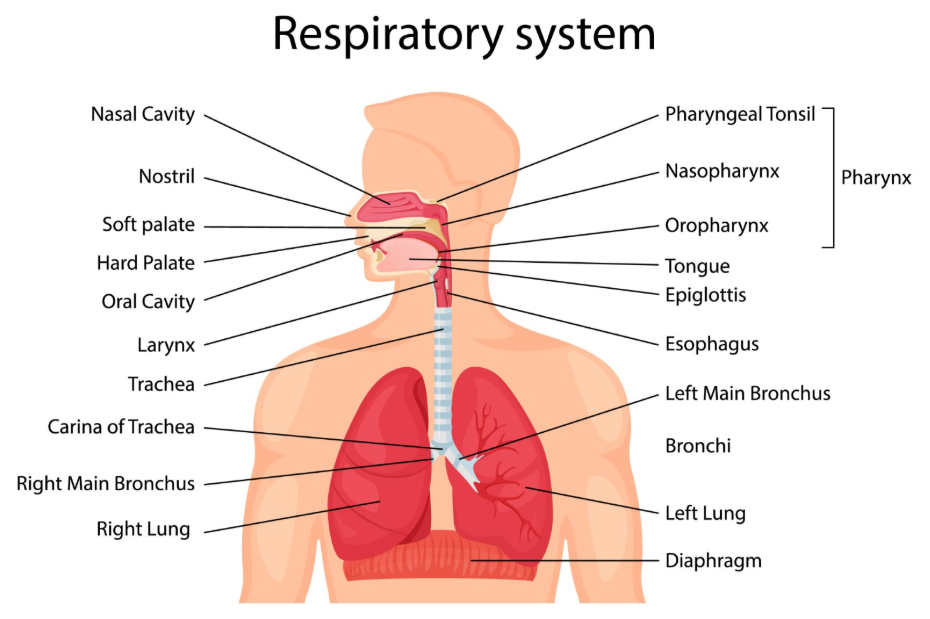
Medical teams monitor oxygen saturation levels closely in all patients admitted with pancreatitis to detect early signs of lung involvement. If respiratory failure occurs, the patient may require supplemental oxygen or, in the most critical cases, the assistance of a ventilator in an intensive care unit. Timely intervention in a hospital setting is essential to support the lungs until the primary inflammation in the pancreas begins to subside.
Acute Kidney Injury and Circulatory Failure
The kidneys are highly sensitive to changes in blood pressure and the presence of inflammatory toxins, both of which are common in severe pancreatitis. If the body becomes significantly dehydrated or if blood pressure drops too low, the kidneys may stop filtering waste products from the blood effectively, leading to acute kidney injury. This is often detected through regular blood tests and the monitoring of daily urine output.
NICE guidelines emphasise that patients with severe acute pancreatitis should be managed in a high-dependency or intensive care setting to allow for close monitoring of kidney and circulatory function. If kidney failure becomes severe, temporary support such as dialysis or hemofiltration may be necessary. By providing intensive fluid resuscitation immediately upon hospital admission, doctors aim to maintain adequate blood flow to the kidneys and prevent permanent renal damage.
Systemic Inflammatory Response Syndrome (SIRS)
Systemic Inflammatory Response Syndrome is a clinical state where the entire body is in a high state of alarm due to the intense inflammation originating in the pancreas. SIRS is characterised by a rapid heart rate, fast breathing, a high or very low temperature, and a significant change in white blood cell counts. When SIRS persists for more than 48 hours, the risk of developing multi-organ failure increases significantly.
Clinicians use these physical signs as early warning markers to identify which patients require more aggressive treatment. The presence of SIRS indicates that the inflammation is no longer contained within the abdomen and is affecting the patient’s entire physiology. Management focuses on “damping down” this response by treating the underlying pancreatic issue, providing aggressive hydration, and supporting any organs that begin to show signs of reduced function.
Complications of Infected Pancreatic Necrosis
In severe cases, parts of the pancreas may die (necrosis) and subsequently become infected, which further increases the risk of organ failure. Infected necrosis acts as a persistent source of bacteria and toxins that can leak into the bloodstream, leading to sepsis. Sepsis is a life-threatening reaction to infection that can cause a rapid drop in blood pressure and the failure of multiple organ systems simultaneously.
Treatment for this complication often involves a “step-up” approach, starting with targeted antibiotics and potentially moving toward minimally invasive procedures to drain the infected material. If these measures do not stabilise the patient, surgery may be considered to remove the dead tissue. Managing infected necrosis is a complex process that requires the expertise of a multidisciplinary team, including surgeons, radiologists, and intensive care specialists.
Comparison of Mild and Severe Pancreatitis Risks
The following table provides a comparison of how the risk of organ failure differs between the common mild form and the rarer severe form of the condition.
| Clinical Feature | Mild Acute Pancreatitis | Severe Acute Pancreatitis |
| Systemic Inflammation | Generally absent or brief | Often present and persistent (SIRS) |
| Lung Involvement | Unlikely; normal breathing | Risk of respiratory distress (ARDS) |
| Kidney Function | Usually remains stable | Risk of acute kidney injury |
| Blood Pressure | Usually stable | Risk of low blood pressure (shock) |
| Care Setting | General medical ward | High Dependency or ICU |
| Typical Outcome | Full recovery within 1 week | Long recovery; risk of permanent damage |
Conclusion
Pancreatitis is a condition that carries a significant risk of organ failure if the inflammation is severe or if medical treatment is delayed. The systemic impact on the lungs, kidneys, and circulatory system requires intensive monitoring and supportive care in a hospital environment. While the majority of cases are mild and resolve without affecting other organs, the potential for rapid deterioration necessitates that every suspected case be treated with clinical urgency. If you experience severe, sudden, or worsening symptoms, call 999 immediately.
Can organ failure happen even with treatment?
While hospital treatment significantly reduces the risk, some very severe cases of pancreatitis can still lead to organ failure. In these instances, the goal of hospital care is to support those organs until the inflammation resolves.
How quickly can organ failure develop?
In severe cases, signs of organ strain can appear within the first 24 to 48 hours of the symptoms starting. This is why early assessment and fluid therapy in a hospital are so critical.
Is kidney failure from pancreatitis permanent?
In many cases, kidney function returns to normal once the pancreatitis is treated and the systemic inflammation subsides. However, some patients with very severe injury may require longer-term monitoring or support.
Why does the heart rate increase during pancreatitis?
A rapid heart rate is often a sign of pain, dehydration, or the body’s systemic response to inflammation (SIRS). It is one of the key markers that doctors use to assess the severity of the condition.
Does chronic pancreatitis also cause organ failure?
Chronic pancreatitis is more likely to cause long-term “functional” failure, such as the inability to produce insulin or digestive enzymes, rather than the sudden systemic organ failure seen in acute cases.
Can I get pancreatitis without knowing it and get organ failure?
Acute pancreatitis usually causes very severe, unmistakable pain. It is highly unlikely that a person would develop organ failure from pancreatitis without experiencing significant symptoms first.
Authority Snapshot (E-E-A-T)
This article provides educational information on the systemic risks of pancreatitis according to UK clinical standards. The content is strictly aligned with the guidelines of the National Health Service (NHS) and the National Institute for Health and Care Excellence (NICE). It has been reviewed by the Medical Content Team and Dr. Rebecca Fernandez to ensure clinical accuracy and relevance for the general public.
