
Yes, Irritable Bowel Syndrome (IBS) and Inflammatory Bowel Disease (IBD) share many overlapping symptoms, which often makes it challenging to distinguish between them without clinical testing. Both conditions commonly cause abdominal pain, bloating, and a significant change in bowel habits, such as diarrhoea or constipation. However, while the outward symptoms can appear identical, the underlying causes are fundamentally different: IBS is a functional disorder of gut brain interaction, whereas IBD is a chronic inflammatory disease that causes physical damage to the digestive tract.
In the UK, clinicians use specific diagnostic pathways and red flag indicators to tell these two conditions apart. Because the management for functional sensitivity and autoimmune inflammation is entirely different, an accurate diagnosis is essential for long term health and symptom control.
What We Will Discuss in This Article
- Overlapping symptoms shared by both IBS and IBD
- Key clinical differences in how symptoms present
- Specific red flag indicators that point toward IBD
- The role of extra intestinal symptoms in diagnosis
- How UK doctors use stool tests to differentiate the two
- Understanding IBS type symptoms in patients with IBD
- When to seek urgent medical advice for gut issues
Shared Symptoms: The Areas of Overlap
Because both conditions affect the gastrointestinal tract, the primary symptoms are often indistinguishable during the initial stages.
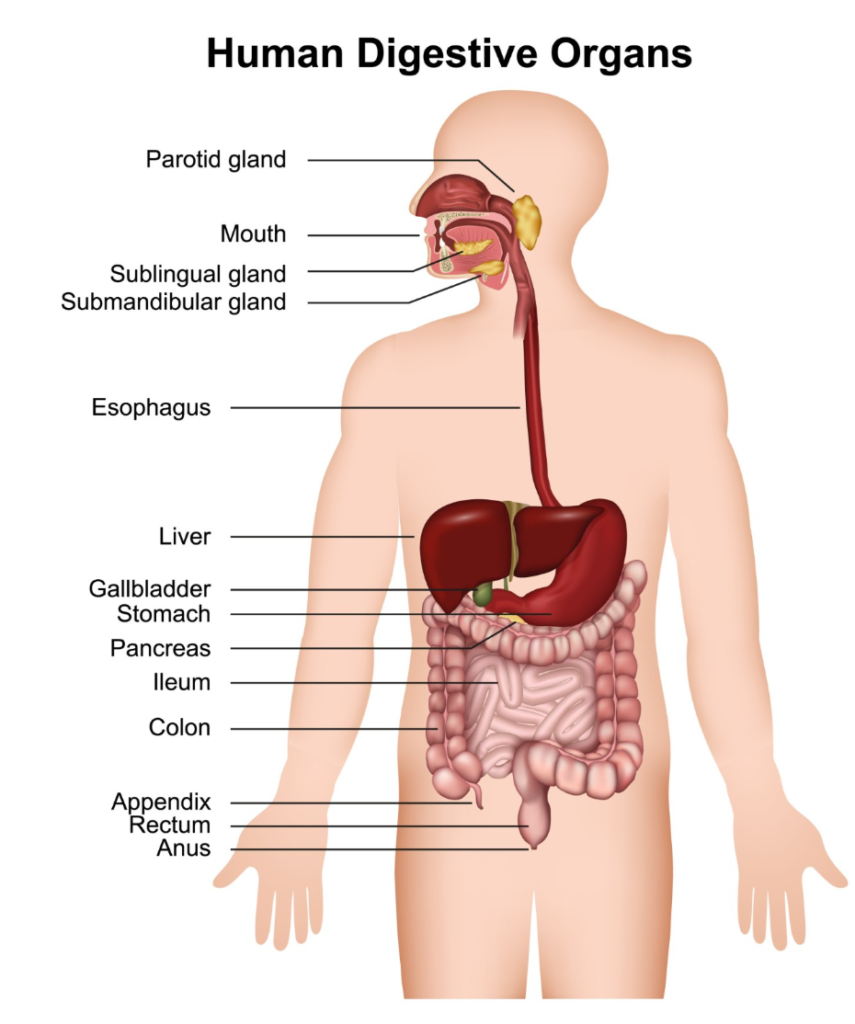
Both IBS and IBD patients frequently report:
- Abdominal Pain: Cramping or aching, which is often related to bowel movements.
- Altered Bowel Habits: Persistent diarrhoea, constipation, or a mixture of both.
- Bloating: A sensation of fullness, distension, or hardness in the abdomen.
- Urgency: A sudden, pressing need to use the toilet.
- Passage of Mucus: Clear or white slime in the stool is common in both conditions.
- Lethargy: Feeling tired or lacking energy due to the body effort to manage gut symptoms.
Distinguishing Features and Clinical Differences
While the core symptoms overlap, there are subtle differences in their nature and severity that help doctors categorise the condition.
| Feature | Irritable Bowel Syndrome (IBS) | Inflammatory Bowel Disease (IBD) |
| Pain Level | Can be intense but rarely debilitating | Often chronic, severe, and debilitating |
| Night Symptoms | Rarely wakes the patient from sleep | Frequently causes nocturnal diarrhoea |
| Relief | Pain often improves after a bowel movement | Pain may persist after a bowel movement |
| Inflammation | No visible inflammation in the gut | Visible ulcers, redness, and swelling |
| Bowel Habit | Often alternates between types | Usually, persistent diarrhoea if active |
IBS symptoms are often triggered by specific foods, stress, or hormonal changes and typically do not lead to physical deterioration. IBD, however, is characterised by persistent immune activation that can cause systemic issues beyond the digestive tract.
Red Flag Symptoms Exclusive to IBD
There are certain red flags that are not typical of IBS and almost always indicate a more serious underlying issue, such as IBD or malignancy.
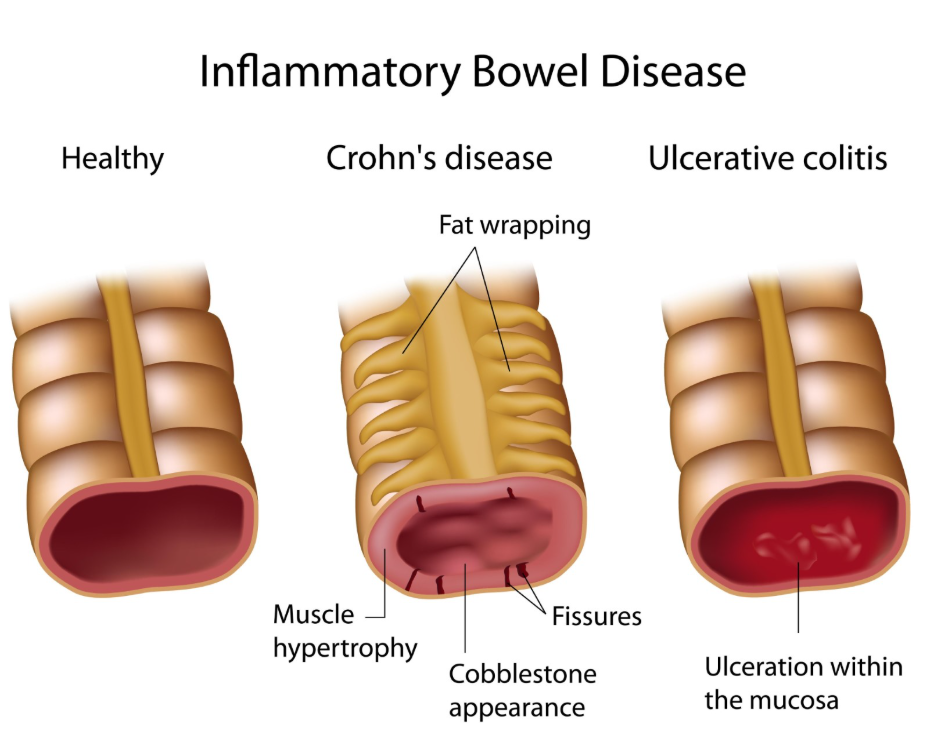
If any of the following symptoms are present, a GP will prioritise investigations for IBD:
- Unexplained Weight Loss: Losing more than 2kg without trying.
- Rectal Bleeding: Seeing blood mixed in with the stool or on the paper.
- Anaemia: Low iron levels found on a blood test, causing extreme paleness and fatigue.
- Fever: Persistent low-grade fevers, especially during flare ups.
- Nocturnal Symptoms: Diarrhoea that wakes you up in the middle of the night.
- Family History: Having a close relative with IBD significantly increases the risk profile.
Extra Intestinal Symptoms in IBD
One of the most defining differences is that IBD is a systemic disease, meaning it can affect parts of the body outside the gut, whereas IBS is localised to the digestive system.
Patients with IBD may experience:
- Joint Pain: Inflammatory arthritis affecting the knees, ankles, or spine.
- Eye Issues: Redness, pain, or blurred vision such as uveitis or episcleritis.
- Skin Changes: Tender red bumps known as erythema nodosum or painful sores.
- Mouth Ulcers: Frequent and painful sores in the mouth.
IBS patients may have comorbid conditions like fibromyalgia or chronic fatigue syndrome, but these are functional overlaps rather than the result of autoimmune inflammation.
The Diagnostic Differentiator: Faecal Calprotectin
In the UK, the most effective way to tell if symptoms are due to IBS or IBD is a stool test called Faecal Calprotectin.
Calprotectin is a protein released into the gut only when there is active inflammation. If a patient with typical bowel symptoms has a normal (low) calprotectin level, there is a 98 to 99 percent chance they have IBS. If the level is high, it provides physical evidence of inflammation, and the patient is referred for a colonoscopy to confirm IBD. This test has revolutionised the diagnostic pathway, ensuring that patients with functional disorders are not subjected to unnecessary invasive procedures.
To Summarise
IBS and IBD have very similar symptoms, including pain, bloating, and changed bowel habits. The key to telling them apart lies in the presence of red flags like bleeding and weight loss, and the results of a Faecal Calprotectin test. While IBS is a lifelong condition that requires symptom management, IBD is an inflammatory disease that requires medical suppression of the immune system to prevent damage. Recognising the subtle differences early ensures that you receive the most appropriate care for your specific gut health needs.
If you experience severe, sudden, or worsening symptoms, such as intense abdominal pain or heavy rectal bleeding, call 999 immediately.
Can IBS turn into IBD?
No. They are separate conditions. However, many people with IBD are initially diagnosed with IBS before their inflammation becomes detectable.
Why do I have blood in my stool if I have IBS?
IBS does not cause bleeding. If you see blood, it is usually from piles or a small tear, but it must always be checked by a GP to rule out IBD.
Does IBD pain feel different to IBS pain?
IBS pain is often described as cramping and sharp, frequently improving after using the toilet. IBD pain can be a constant, deep ache that does not always improve after a bowel movement.
Is bloating worse in IBD or IBS?
Both cause significant bloating, but in IBS, it is often related to gas and food fermentation, whereas in IBD, it can be caused by inflammation or narrowing of the bowel.
Can you have both at the same time?
Yes. Around 30 percent of IBD patients in remission still experience IBS type symptoms like bloating and pain.
What is the most common symptom of both?
A change in bowel habit, specifically diarrhoea or loose stools, is the most common overlapping feature.
Does stress make both worse?
Yes. Stress can trigger an IBS flare up and can also contribute to triggering a relapse in IBD, though it is not the original cause of IBD.
Authority Snapshot
This article was reviewed by Dr. Rebecca Fernandez, a UK trained physician with an MBBS and extensive experience in internal medicine, general surgery, and emergency care. Dr. Fernandez has a background in managing both acute and chronic gastrointestinal conditions and specialises in integrating evidence-based approaches for mental and physical well-being. She is an expert in navigating the diagnostic pathways for IBS and IBD, following the latest NICE and British Society of Gastroenterology guidelines.
