
Mental illness does not always affect intelligence because most conditions primarily influence emotional regulation and mood rather than an individual’s innate intellectual capacity or cognitive potential. In the United Kingdom, healthcare professionals distinguish between intellectual ability and the temporary cognitive challenges, such as reduced concentration or memory slips, that can occur during an acute episode of illness. By utilising integrated NHS pathways, individuals can manage these functional symptoms effectively.
What We’ll Discuss in This Article
- The clinical distinction between innate intelligence and cognitive function.
- How depression and anxiety influence temporary concentration and focus.
- The impact of neurochemical changes on information processing.
- Identifying the physical and psychological markers of cognitive “brain fog”.
- Research regarding the relationship between high intelligence and mental health.
- Accessing integrated NHS support for maintaining cognitive and functional stability.
Distinguishing Between Intelligence and Cognitive Function
Intelligence is a stable trait related to an individual’s capacity for logic and learning, whereas cognitive function refers to the daily mental processes, such as attention and memory, that can be temporarily influenced by a mental health condition. In the United Kingdom, clinical assessments focus on how symptoms might interfere with the application of intelligence rather than suggesting a permanent decline in intellectual ability. The NHS states that mental health problems can affect your concentration and your ability to carry out your daily work or studies.
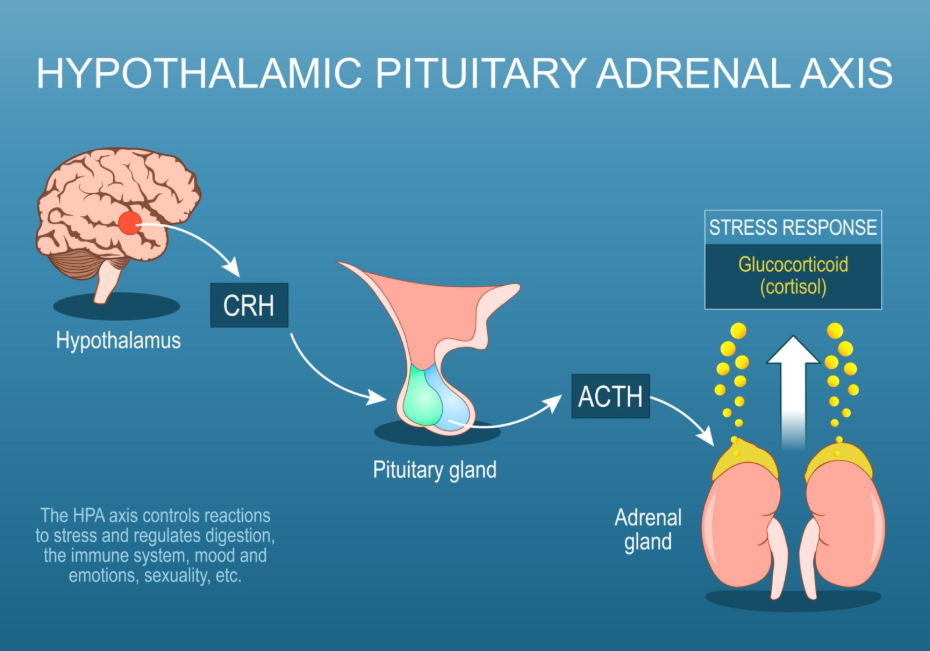
When the body’s stress response is active, the brain may prioritise emotional processing over complex logical tasks. In the UK, this professional framework provides a stable foundation for the health journey by identifying that cognitive fluctuations are often temporary and manageable. By utilised these integrated pathways, the healthcare system ensures that every person’s profile is supported through evidence-based understanding. This coordinated effort prioritises the safety and intellectual confidence of the individual within a validated medical environment.
The Impact of Neurochemical Changes on Processing
Mental health conditions can involve changes in neurotransmitter levels, such as serotonin and dopamine, which influence the speed and efficiency of information processing without altering a person’s baseline intelligence. In the United Kingdom, specialists recognise that these biological shifts can lead to “cognitive dulling” or “brain fog,” which can be misinterpreted by the individual as a loss of intellectual capacity. NICE clinical guidelines for common mental health problems indicate that a thorough assessment should consider the cognitive impact of distress on the individual.
| Condition Feature | Impact on Daily Cognitive Tasks | Intellectual Status |
| Anxiety | Racing thoughts can disrupt focused attention. | Innate logic remains intact. |
| Depression | Reduced motivation and slowed thought processing. | Capacity for complex thought remains. |
| Psychosis | Challenges in filtering and organising sensory data. | Logical ability may be temporarily masked. |
| Stress Response | High cortisol can interfere with short-term memory. | Potential for learning is unchanged. |
| Sleep Disruption | Fatigue leads to errors in executive function. | Baseline intelligence is preserved. |
In the UK, these biological changes are managed through integrated care plans that prioritise a person-centred approach. Identifying that a lack of focus is a biological response to neurochemical dysregulation helps the multidisciplinary team select the most effective management strategy. This professional oversight is essential for providing a safe and accurate understanding of the individual’s functional capability. By building a robust evidence base through clinical review, the healthcare system provides a secure environment for long-term health.
High Intelligence and Mental Health Resilience
Research conducted in the United Kingdom suggests that there is no consistent evidence that mental illness is more or less common in individuals with high intelligence, though highly intelligent people may develop unique coping strategies to manage their health. Healthcare professionals focus on the fact that mental illness can affect anyone regardless of their educational background or IQ score. The GOV.UK health pages provide clinical profiles indicating that the monitoring of social and cognitive challenges is a priority for ensuring integrated support.
While some historical theories suggested a link between creativity or high intelligence and certain conditions, modern UK clinical practice treats these as independent factors. In the UK, the focus is on providing a stable foundation where the individual’s environment is reviewed alongside their metabolic health. Identifying these underlying drivers allows for more targeted help that addresses the actual biological cause of distress. By utilised these professional frameworks, the UK system provides a life-long framework of support that adapts to the person’s needs.
Identifying Markers of Cognitive Brain Fog
Identifying the markers of cognitive “brain fog” involves looking for a combination of physical and psychological indicators that suggest the brain’s processing efficiency is being compromised by emotional distress. In the United Kingdom, healthcare professionals focus on these signs to help individuals understand that their intellectual capacity is still present but currently obscured by health factors.
Common cognitive markers identified in the UK include:
- Word-finding Difficulty: Struggling to find the right words during a conversation.
- Reduced Working Memory: Forgetting why you walked into a room or losing track of tasks.
- Indecisiveness: Feeling overwhelmed by simple choices that were previously easy.
- Slowed Reaction Time: Taking longer to process and respond to new information.
- Poor Concentration: Finding it difficult to read a book or watch a film.
- Mental Fatigue: Feeling exhausted after minor cognitive effort or social interaction.
In the UK, identifying these indicators early is vital for preventing the functional decline that often accompanies chronic health challenges. The integrated support framework encourages a strengths-based approach, focusing on what the individual needs to remain healthy. By utilised these professional frameworks, the healthcare system provides a secure environment for building professional and personal confidence. These strategies aim to work with the individual’s biology to restore a sense of calm.
Accessing Integrated NHS Support Pathways
The pathway for managing the cognitive impact of mental health in the United Kingdom is a coordinated process involving primary care and specialist talking therapy services. This journey ensures that every individual receives a thorough review of their history and current environment to build a bespoke recovery plan that supports their cognitive and emotional wellness.
The UK integrated support pathway involves:
- Initial GP Consultation: Discussing focus and memory issues for a clinical review.
- Talking Therapies: Accessing evidence-based support such as Cognitive Behavioural Therapy (CBT).
- Physical Screening: Performing blood tests to rule out biological causes like vitamin deficiencies.
- Occupational Health: Working with employers to implement reasonable adjustments for focus.
- Integrated Care Planning: Co-ordinating between the GP, specialist teams, and the workplace.
- Regular Monitoring: Scheduled reviews to ensure that cognitive management strategies are effective.
In the UK, the focus is on providing a stable foundation for the individual to move forward with self-understanding. The NHS ensures that adults and children have a consistent point of contact for their health needs while they navigate their lives. By utilised these integrated pathways, the healthcare system provides a secure environment for building long-term mental wellbeing across the UK population. These strategies aim to work with the individual’s biology to restore a sense of calm and purpose.
Conclusion
Mental illness does not always affect intelligence, as most conditions influence the temporary application of cognitive skills rather than an individual’s innate intellectual capacity. The NHS and professional bodies in the United Kingdom provide a robust system of multidisciplinary assessments to help people understand and manage the cognitive challenges associated with their health. By focusing on both the biological roots of symptoms and the need for supportive environments, the system promotes the highest possible level of independence. Following a coordinated management plan with the help of medical and psychological experts ensures that unique adult and paediatric needs are addressed holistically.
Can depression make me less intelligent?
No; depression can slow down your thinking and affect your memory, but it does not change your baseline intelligence.
Why do I feel “stupid” when I am anxious?
Anxiety keeps your brain in a state of high alert, which diverts energy away from the logical thinking parts of your brain.
Will my concentration return after treatment?
Yes; as your biological and emotional regulation improves, most people find that their ability to focus and process information returns.
Does schizophrenia affect IQ permanently?
Some complex conditions can influence cognitive processing over time, but integrated NHS support focuses on maintaining your highest level of function.
Can a vitamin deficiency cause “brain fog”?
Yes; physical issues like low Vitamin B12 or thyroid problems can cause cognitive symptoms that mimic mental health conditions.
How can I improve my focus at work?
Working with your GP or employer to implement reasonable adjustments, such as regular breaks, can help manage your cognitive load.
Who should I talk to first if I am worried about my memory?
The first point of contact in the United Kingdom is usually your GP to discuss your health and explore various support pathways.
Authority Snapshot (E-E-A-T)
This article provides medically factual health education regarding mental health and intelligence, strictly aligned with NHS and NICE clinical guidelines. The content is developed by a professional medical writing team and reviewed by Dr. Stefan Petrov, a UK-trained physician with experience in multiple clinical specialties including emergency care, surgery, and medical education. All information follows current UK public health protocols to ensure clinical accuracy and patient safety.
