
Stopping the consumption of alcohol and the use of tobacco products are the most effective lifestyle interventions for reducing the risk of further pancreatitis attacks. The pancreas is a highly sensitive organ that plays a vital role in digestion and hormone production, and both alcohol and nicotine act as potent irritants that can trigger or exacerbate inflammation. Clinical evidence in the United Kingdom suggests that maintaining total abstinence from these substances not only lowers the likelihood of acute flare-ups but also significantly slows the progression of permanent structural damage to the organ.
What We’ll Discuss in This Article
- The biological mechanisms by which alcohol triggers pancreatic inflammation.
- How smoking accelerates the development of chronic scarring and fibrosis.
- The combined impact of alcohol and tobacco on recurrence rates.
- The role of abstinence in preventing the transition to chronic pancreatitis.
- Practical benefits of lifestyle changes for long-term pancreatic function.
- Support systems available through the NHS for lifestyle modification.
The Biological Impact of Alcohol on the Pancreas
Quitting alcohol reduces the risk of recurrent pancreatitis because alcohol is a direct toxin to the pancreatic acinar cells, which are responsible for producing digestive enzymes. When alcohol is processed by the body, it can lead to the premature activation of these enzymes while they are still within the pancreas, causing the organ to effectively digest its own tissue. This process creates a cycle of inflammation, swelling, and cell death that characterises an acute attack.
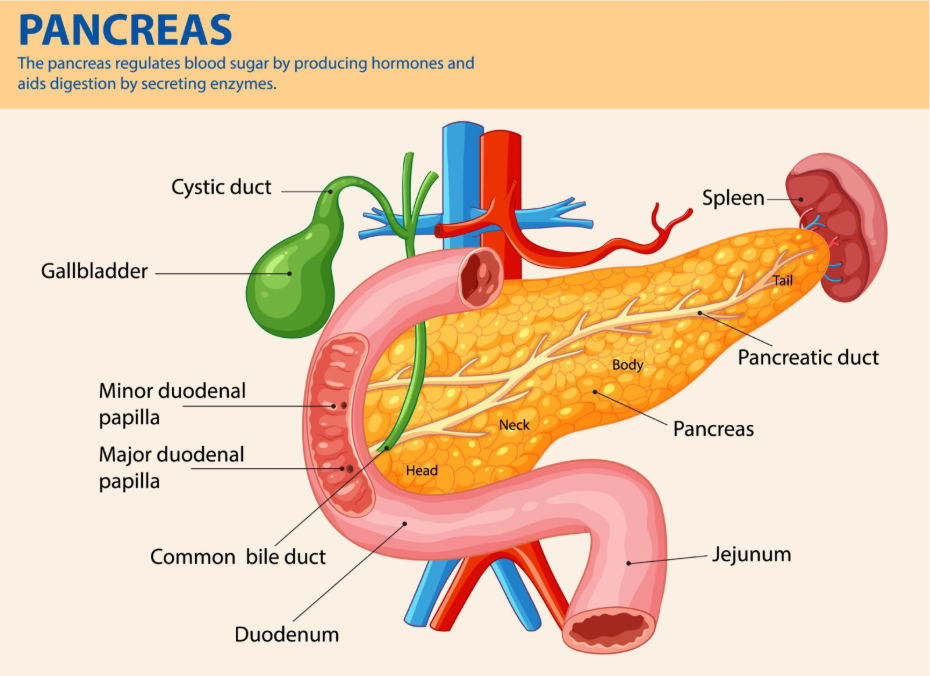
For individuals who have already experienced an episode of pancreatitis, the organ remains in a vulnerable state with a lowered threshold for future irritation. The NHS recommends that anyone who has had acute pancreatitis should avoid alcohol completely to minimise the risk of another attack. Continued alcohol use forces the pancreas to operate under constant chemical stress, which prevents proper healing and makes a recurrence much more likely, even if the original cause of the inflammation was unrelated to alcohol.
How Smoking Accelerates Pancreatic Damage
Stopping smoking is a critical component of prevention because tobacco use is a major independent risk factor for both acute flare-ups and the progression of chronic disease. The toxic compounds in cigarette smoke, such as nicotine and carbon monoxide, interfere with the blood supply to the pancreas and stimulate an inflammatory response. Smoking is particularly strongly associated with the development of pancreatic calcification and the formation of scar tissue, a process known as fibrosis.
NICE guidelines emphasise that smoking cessation is essential for patients with pancreatitis to reduce the risk of the condition becoming chronic or leading to pancreatic cancer. While many patients associate smoking primarily with lung or heart health, its impact on the digestive system is significant. Quitting smoking helps preserve the remaining functional tissue of the pancreas and reduces the frequency of painful episodes, providing a clearer pathway toward long-term recovery.
The Cumulative Risk of Combined Use
The combination of drinking alcohol and smoking tobacco creates a synergistic effect that significantly multiplies the risk of recurrent pancreatitis compared to using either substance alone. Patients who both drink and smoke are at the highest risk for frequent hospital admissions and the rapid decline of pancreatic function. These two substances work together to heighten the inflammatory environment within the organ, making it nearly impossible for the pancreas to recover between episodes.
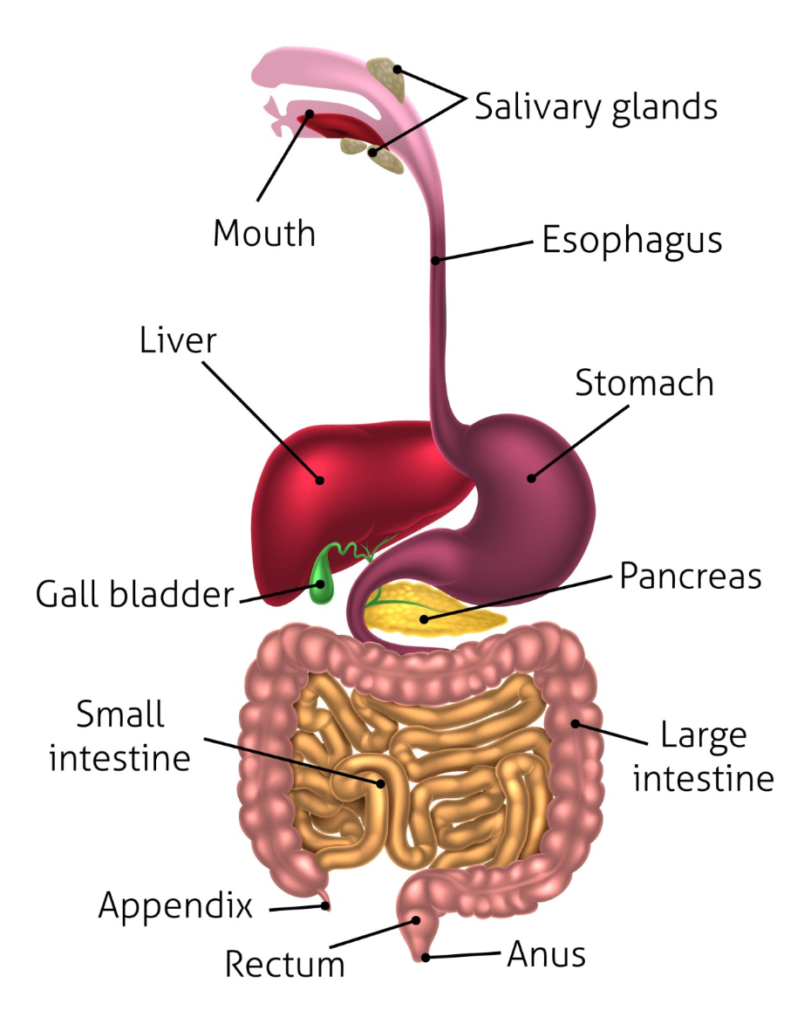
Clinical studies have shown that patients who successfully quit both substances see a dramatic reduction in the rate of disease progression. By removing these dual stressors, the body can better manage other risk factors, such as high blood fats or gallstones. NHS specialists prioritise the cessation of both habits as a non-negotiable part of the treatment plan to ensure the best possible outcomes for patient health and quality of life.
Preventing the Transition to Chronic Pancreatitis
Maintaining total abstinence from alcohol and tobacco is the primary method for preventing acute pancreatitis from evolving into a permanent chronic condition. Chronic pancreatitis occurs when repeated bouts of inflammation lead to irreversible scarring, which destroys the organ’s ability to produce insulin and digestive enzymes. Once this stage is reached, patients may suffer from lifelong issues such as diabetes and malabsorption.
Because the transition from acute to chronic disease is often silent and gradual, lifestyle changes must be permanent rather than temporary. Each episode of inflammation avoided through abstinence is a vital step in preserving the long-term structural integrity of the organ. Clinicians use regular monitoring and follow-up appointments to support patients in these changes, as preventing chronic damage is far more effective than managing its permanent consequences later in life.
Long-Term Benefits for Organ Function
Quitting alcohol and smoking allows the pancreas the best opportunity to maintain its essential functions over the course of a lifetime. When the organ is not under constant attack from toxins, it can more efficiently produce the enzymes required to break down food and the hormones needed to regulate blood sugar. This reduces the likelihood of needing long-term treatments such as pancreatic enzyme replacement therapy (PERT) or insulin injections.
Furthermore, these lifestyle changes significantly reduce the risk of developing pancreatic cancer, which is a known long-term complication of chronic inflammation. A healthier internal environment allows for better nutrient absorption and overall physical stamina. Patients often report an improvement in general well-being and a reduction in chronic abdominal discomfort once they have successfully integrated these changes into their daily lives.
Comparison of Recurrence Risk Factors
The following table provides a comparison of how different substances and habits influence the risk of further pancreatic inflammation.
| Habit | Impact on Pancreas | Risk of Recurrence |
| Continued Alcohol Use | Direct cell toxicity and enzyme activation | Very High |
| Active Smoking | Stimulates inflammation and scarring | High |
| Combined Alcohol & Smoking | Synergistic toxic effect | Extremely High |
| Alcohol Abstinence | Allows tissue stabilisation | Significantly Reduced |
| Smoking Cessation | Slows fibrosis and cancer risk | Lowered |
| Total Abstinence (Both) | Best environment for recovery | Lowest |
Conclusion
Quitting alcohol and smoking are the most important actions a patient can take to reduce the risk of recurrent pancreatitis. These substances cause direct damage and promote long-term scarring, which can lead to the permanent loss of organ function. By committing to total abstinence, individuals can protect their pancreas from further injury and prevent the onset of serious complications like diabetes or malignancy. If you experience severe, sudden, or worsening symptoms, call 999 immediately.
Can I have a small amount of alcohol once the pain has gone?
No, even if you feel better, your pancreas remains vulnerable to further injury. Most UK medical professionals recommend total lifelong abstinence from alcohol after any episode of pancreatitis.
I only smoke occasionally; is that still a risk?
Yes, even occasional smoking introduces toxins into your bloodstream that can irritate the pancreas and accelerate the formation of scar tissue. Total cessation is the only way to fully reduce this risk.
Does alcohol-free beer pose a risk?
Most alcohol-free beers contain negligible amounts of alcohol (usually 0.5% or less) and are generally considered safe. However, it is important to check labels to ensure the alcohol content is truly minimal.
How long after quitting will my risk start to drop?
The risk begins to decrease almost immediately after you stop, as the chemical stress on the organ is removed. However, long-term stability is achieved over months and years of consistent abstinence.
Will my pancreas ever fully heal if I quit now?
While existing scar tissue cannot be reversed, quitting alcohol and smoking prevents further damage and allows your remaining healthy tissue to function more effectively without being under constant stress.
What if I struggle to quit both at the same time?
You should speak to your GP or consultant, as the NHS provides specialist support services, including nicotine replacement therapy and counselling, to help you manage these changes safely.
Can vaping be used as a safe alternative?
The long-term effects of vaping on the pancreas are still being studied. Because nicotine itself is a known pancreatic irritant, total cessation of all nicotine products is the safest clinical recommendation.
Authority Snapshot (E-E-A-T)
This article provides educational guidance on the impact of alcohol and smoking on pancreatitis recurrence within the UK healthcare framework. The content is strictly aligned with the clinical standards of the National Health Service (NHS) and the National Institute for Health and Care Excellence (NICE). It has been prepared and reviewed by the Medical Content Team and Dr. Rebecca Fernandez to ensure clinical accuracy and safety for the general public.
