
Brain tumours are considered uncommon in the United Kingdom, accounting for a small percentage of all new cancer cases diagnosed annually. While they are relatively rare compared to more frequent cancers such as breast or lung cancer, they represent a significant area of clinical focus due to their impact on the central nervous system. In the UK, approximately 13,000 people are diagnosed with a primary brain, other central nervous system (CNS), or intracranial tumour each year, which equates to roughly 36 new diagnoses every day. These tumours can affect individuals of any age, including children, although the likelihood of developing one increases as a person gets older. The UK healthcare system categorises these growths as either malignant (cancerous) or benign (non-cancerous), with about half of all primary brain tumours falling into the cancerous category. Additionally, many other patients are diagnosed with secondary brain tumours, which occur when cancer cells spread to the brain from another part of the body. Understanding the prevalence and demographic patterns of these tumours is essential for recognizing the importance of early diagnostic pathways. By following evidence-based data from the NHS and national cancer registries, healthcare providers aim to provide a clear picture of the clinical landscape.
What We’ll Discuss in This Article
- Annual incidence rates and daily diagnosis statistics in the UK.
- How the risk of developing a brain tumour changes with age.
- Comparison of incidence between males and females in the population.
- The prevalence of benign versus malignant brain tumours.
- Statistics regarding secondary brain tumours and their origins.
- UK clinical trends in detection and survival rates over time.
Annual Incidence and Daily Statistics
In the United Kingdom, brain tumours are classified as an uncommon type of cancer, with around 13,000 new cases of primary brain, CNS, and intracranial tumours registered each year. This figure represents approximately 3% of all new cancer cases in the country, making it the 8th most common cancer overall. The NHS states that more than 12,000 people are diagnosed with a primary brain tumour in the UK each year, of which about half are cancerous.
On a daily basis, this equates to roughly 36 people receiving a new diagnosis across the UK. While these numbers have shown a gradual increase over the last two decades, experts believe this is largely driven by an ageing population and significant advances in diagnostic technology, such as the increased availability of high-resolution MRI scans. Despite the rise in recorded cases, the overall lifetime risk remains relatively low for the general population. In the UK, medical teams use these incidence figures to allocate resources for specialist neuro-oncology services, ensuring that even though the condition is uncommon, patients have access to the necessary expertise.
Age-Related Trends and Risk
The likelihood of being diagnosed with a brain tumour increases significantly with age, although they are notable for being one of the more common types of cancer found in children and young adults. In the UK, the highest incidence rates are observed in people aged 85 to 89, with approximately one quarter of all new cases being diagnosed in individuals aged 75 and over.
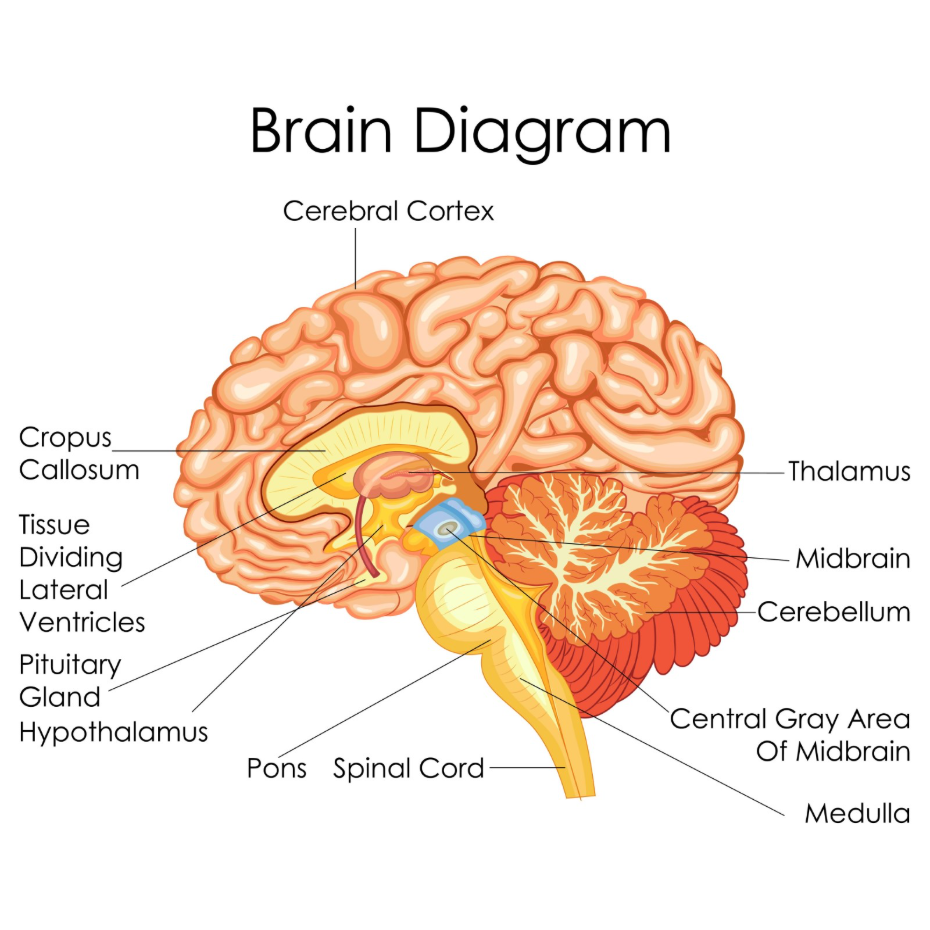
Despite being more frequent in older adults, brain tumours are the second most common type of cancer in children under the age of 15. This unique demographic spread distinguishes brain tumours from many other adult-onset cancers. Cancer Research UK data indicates that nearly 1 in 66 UK females and 1 in 74 UK males will be diagnosed with a brain or other CNS tumour in their lifetime. Because the types of tumours seen in children differ biologically from those in adults, the UK healthcare system provides specialised paediatric neurology units to manage these cases. Understanding these age-specific trends helps the NHS tailor screening and diagnostic awareness campaigns to the most relevant age groups.
Gender Differences in Diagnosis
There are slight variations in how brain tumours affect males and females in the UK, with some specific types of tumours showing a strong preference for one gender over the other. Overall, the number of new cases is slightly higher in females, with around 6,800 diagnoses annually compared to approximately 6,200 in males.
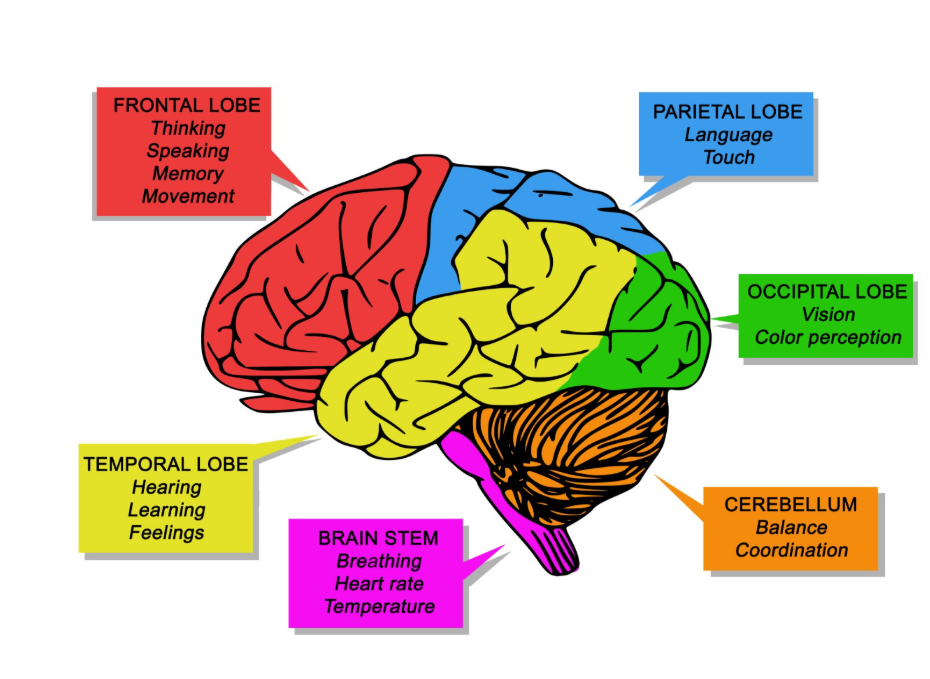
However, the types of tumours diagnosed often follow gender-specific patterns. For example, meningiomas, which are typically slow-growing and benign, are twice as common in women as they are in men.
Prevalence of Benign and Malignant Tumours
In the UK, the clinical landscape of brain tumours is divided almost equally between benign (non-cancerous) and malignant (cancerous) growths, each requiring a different management approach. Benign tumours, such as meningiomas, are the most common type and often grow slowly without spreading to other tissues. NICE clinical guidelines for brain tumours indicate that around half of all primary brain tumours are low-grade (benign), while the other half are high-grade (malignant).
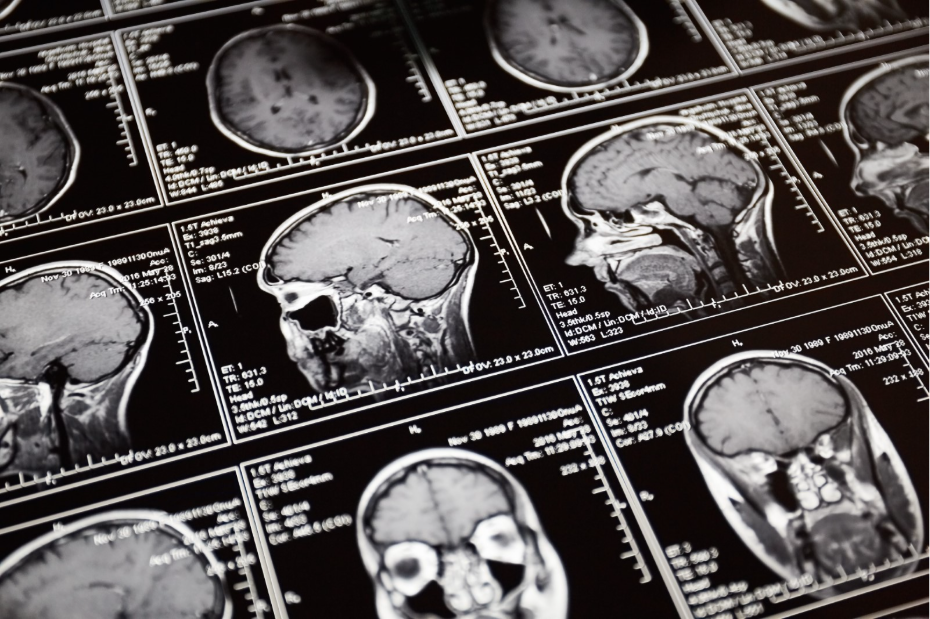
Malignant tumours, which include aggressive types like glioblastoma multiforme (GBM), require more intensive clinical intervention. Although benign tumours are not cancerous, the UK medical community treats them with great care because any growth within the rigid space of the skull can cause pressure on vital brain structures. This means that even a “non-cancerous” growth can be life-threatening depending on its location. The UK’s “Get Data Out” database monitors these specific tumour types annually, providing surgeons and oncologists with up-to-date information on which variants are becoming more prevalent in the population.
Secondary Brain Tumours and Metastases
Secondary brain tumours, also known as brain metastases, are actually more common than primary brain tumours in the UK adult population and occur when cancer from another organ spreads to the brain. These tumours are not “brain cancer” in the biological sense, but rather the original cancer (such as lung, breast, or bowel cancer) that has moved to a new location.
As treatments for primary cancers improve and people live longer, the incidence of secondary brain tumours has risen because there is more time for the original disease to spread. In the UK, many patients with advanced stage cancer will undergo regular brain imaging as part of their surveillance. The GOV.UK health pages provide clinical information for managing secondary tumours, which often focuses on controlling neurological symptoms and maintaining quality of life. Because the management of secondary tumours depends on the original source of the cancer, the care involves close collaboration between different oncology specialists. This integrated approach ensures that the impact on the brain is managed alongside the primary illness.
UK Trends in Detection and Survival
Trends in the UK show that the number of recorded brain tumours is increasing, a change attributed both to an ageing population and better detection through modern NHS diagnostic pathways. Between the early 2000s and 2019, incidence rates increased by around a quarter, largely due to more frequent use of MRI and CT imaging for various neurological complaints.
Survival rates in the UK have also seen gradual improvements over the last 50 years, particularly for low-grade tumours and childhood cases. For example, more than 80% of children diagnosed with a brain tumour now survive for ten years or more. However, for certain high-grade adult tumours, survival remains a significant clinical challenge. The NHS has implemented the “28-Day Faster Diagnosis Standard” to ensure that patients with suspected tumours are seen and diagnosed more quickly, which is a key factor in improving long-term outcomes. By streamlining the route from a GP referral to a specialist scan, the UK aims to identify tumours at an earlier stage when more management options are available.
Conclusion
Brain tumours are an uncommon condition in the UK, affecting approximately 13,000 people each year, with incidence rising primarily due to better detection and an ageing population. While they can occur at any age, they are most frequent in older adults and remain a significant cause of illness in children. About half of primary tumours are benign, but all require careful monitoring due to the limited space within the skull. Secondary tumours from other cancers are even more prevalent in adults than primary ones. UK clinical pathways continue to evolve to ensure faster diagnosis and more targeted care for all types of brain growths. If you experience severe, sudden, or worsening symptoms, call 999 immediately.
Are brain tumours becoming more common because of mobile phones?
No; current UK scientific evidence from large-scale studies has found no definitive link between mobile phone use and the rise in brain tumour cases.
If they are uncommon, why do I hear about them so much?
While statistically uncommon (3% of cancers), they have a high impact on health and are a leading cause of cancer-related issues in younger people.
Is the risk the same for everyone in the UK?
Risk varies by age and sometimes gender, but statistics show that brain tumour incidence in England is not strongly associated with social deprivation.
How many different types of brain tumours are there?
There are over 100 different types of brain tumours, although many of these are extremely rare and only a few types make up the majority of cases.
What is the most common type of primary brain tumour?
Meningiomas are the most common primary brain tumour overall (usually benign), while glioblastomas are the most common malignant type.
Can a brain tumour be prevented?
Only about 3% of cases are considered preventable; most occur due to random genetic mutations or factors beyond a person’s control like age.
What is the survival rate for a brain tumour?
Survival varies wildly by tumour type and age; for instance, many benign tumours have very high survival rates, while aggressive ones are more challenging.
Authority Snapshot (E-E-A-T)
This article provides medically factual health education regarding brain tumour incidence, strictly aligned with NHS and NICE clinical guidelines. The content is developed by a professional medical writing team and reviewed by Dr. Stefan Petrov, a UK-trained physician with experience in emergency care, neurosurgery wards, and clinical education. All information follows current UK public health protocols to ensure clinical accuracy and patient safety.
