
Bowel cancer is one of the most frequently diagnosed malignancies in the United Kingdom, representing a significant proportion of all new cancer cases each year. It primarily affects the large intestine, which includes the colon and the rectum, and is a major focus of national health screening programmes. While it is more prevalent in older age groups, it remains a condition that can affect adults of all ages, making public awareness of its frequency and early signs a priority for health authorities. Understanding the prevalence of this condition helps in highlighting the importance of preventative measures and timely clinical investigations.
What We’ll Discuss in This Article
- The status of bowel cancer among other common cancer types in the UK.
- How age and gender influence the frequency of the disease.
- The prevalence of colon cancer versus rectal cancer.
- The impact of national screening on detection rates.
- Trends in bowel cancer frequency among younger populations.
- Regional and demographic variations in bowel cancer incidence.
Prevalence of Bowel Cancer in the UK Population
Bowel cancer is the fourth most common cancer in the United Kingdom and is the second leading cause of cancer related deaths. Every year, tens of thousands of individuals receive a new diagnosis, reflecting the widespread nature of the condition across the four nations. Bowel cancer accounts for a significant percentage of all new cancer cases in the UK, making it a major priority for NHS diagnostic and treatment services.
The frequency of the disease has remained relatively stable over recent years, although improvements in diagnostic tools and public awareness mean that more cases are being identified at an earlier stage. Because it is so common, the NHS has developed comprehensive pathways to ensure that patients with suspected symptoms are seen and investigated rapidly by specialist teams.
Age-Related Frequency and Statistics
The likelihood of developing bowel cancer increases significantly as a person grows older, with the vast majority of cases occurring in those aged 50 and over. Biological changes over time and the long term exposure to various lifestyle risk factors contribute to this age related trend. Approximately nine out of ten people diagnosed with bowel cancer in the UK are in this older age bracket, which is why national screening efforts are specifically targeted at this demographic.
While the disease is most frequent in the elderly, it is not exclusive to them. NICE guidelines state that the risk of bowel cancer increases with age, but clinicians are advised to consider the diagnosis in younger symptomatic patients due to rising incidence in those under 50. This shift in frequency among younger adults has prompted researchers to investigate the roles of diet, obesity, and environmental factors in earlier onset cases.
Gender Differences in Disease Frequency
Bowel cancer affects both men and women, although there are slight variations in how common the disease is between the two genders. Statistical data suggests that the condition is somewhat more frequent in men than in women. This difference is often attributed to a combination of biological factors and variations in lifestyle habits, such as higher rates of smoking or higher consumption of processed meats among certain male demographics.
Despite these differences, bowel cancer remains a leading health concern for both sexes. In the UK, the national bowel cancer screening programme is offered to both men and women to ensure that early signs of the disease are caught regardless of gender. The mortality rates have also shown a downward trend for both genders as treatments become more effective and screening participation increases.
Frequency of Colon versus Rectal Cancer
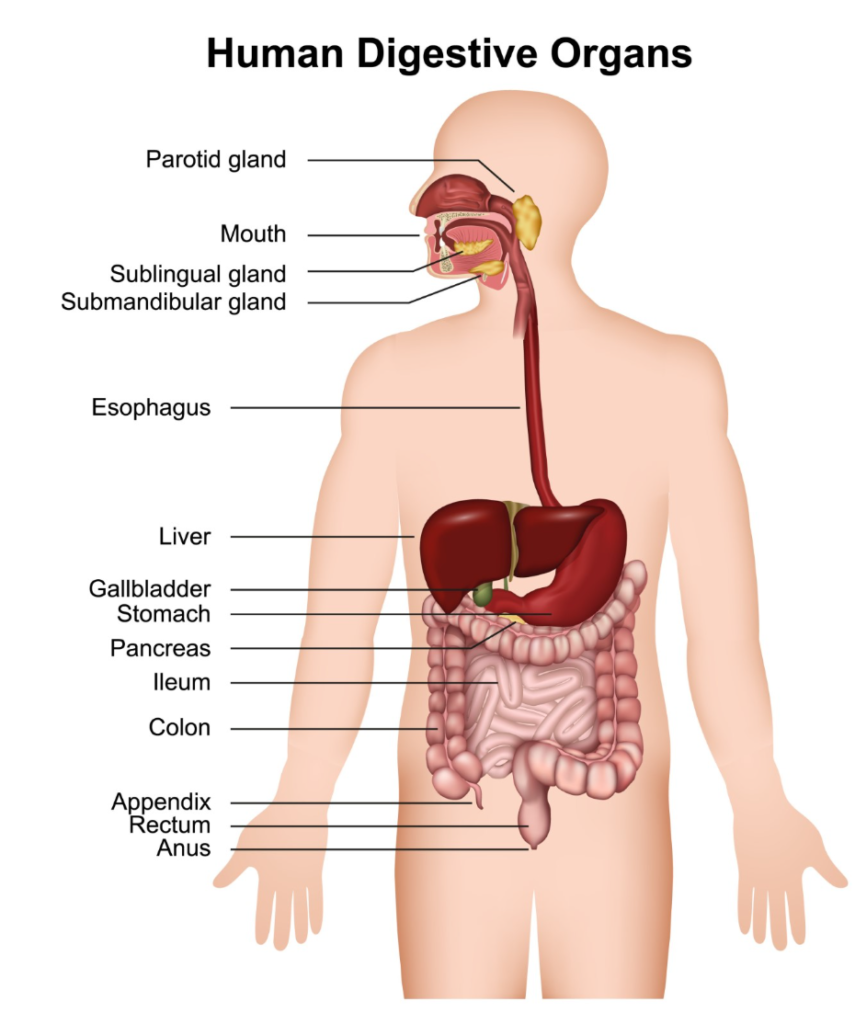
Within the umbrella of bowel cancer, tumours in the colon are more common than those found in the rectum. The colon is the longest part of the large intestine, providing a larger surface area for potential cell mutations to occur over time. Rectal cancer, while less frequent in total numbers, is still a major component of bowel cancer statistics and often requires more complex surgical and radiological management due to its location within the pelvis.
The anatomical distribution of these cancers is an important factor for medical teams when planning surgical capacity and treatment resources. Approximately two thirds of bowel cancers occur in the colon, while the remaining third are found in the rectum. Both types are detected through the same primary screening methods, but they are staged and treated as distinct clinical entities once a diagnosis is confirmed.
Impact of Screening on Detection Rates
The national screening programme has had a profound impact on how commonly bowel cancer is detected in its earliest stages. By inviting eligible adults to use home test kits, health services can identify hidden blood in the stools that may indicate the presence of polyps or early stage tumours. Since the introduction of these programmes, the frequency of cancers caught at an advanced stage has decreased, while the detection of treatable, early stage cancer has increased.
Screening also allows for the removal of precancerous polyps during a colonoscopy, which effectively prevents the cancer from developing in the first place. This preventative aspect of the screening programme is a vital tool in reducing the overall future frequency of the disease. Health authorities continue to expand the screening age range to ensure that as many people as possible benefit from this proactive health measure.
Trends and Demographic Variations
While bowel cancer is common throughout the UK, there are variations in its frequency based on geographical location and socio economic factors. Some regions show higher incidence rates, which may be linked to regional differences in diet, smoking rates, and obesity levels. Socio economic deprivation is also a factor, with individuals in more deprived areas sometimes showing higher rates of late stage diagnoses, often due to lower participation in screening programmes.
Current clinical trends also point to a slow but steady increase in bowel cancer among the “working age” population. This has led to a re evaluation of screening ages across the UK nations, with the starting age gradually being lowered to 50 in many areas. Monitoring these demographic trends is essential for the NHS to allocate resources effectively and to tailor public health messages to the communities most at risk.
Comparison of Cancer Frequency in the UK
The following table shows how bowel cancer compares to other leading cancer types in terms of commonality.
| Cancer Type | Frequency Rank | Primary Demographic |
| Breast Cancer | 1st | Predominantly women over 50 |
| Prostate Cancer | 2nd | Men over 50 |
| Lung Cancer | 3rd | Smokers and older adults |
| Bowel Cancer | 4th | Adults over 50 (both genders) |
| Melanoma | 5th | Fair-skinned individuals; all ages |
Conclusion
Bowel cancer is a highly common condition in the UK, ranking as one of the most frequent malignancies and a leading cause of cancer related mortality. While age remains the primary risk factor, the disease can occur in younger adults, and its frequency is influenced by gender, geography, and lifestyle choices. National screening programmes are essential for detecting the disease early and reducing the frequency of advanced cases. If you experience severe, sudden, or worsening symptoms, call 999 immediately.
Is bowel cancer the most common cancer in the UK?
No, it is the fourth most common cancer, following breast, prostate, and lung cancers.
Are the statistics different for Scotland, Wales, and Northern Ireland?
While there are slight regional variations, the overall frequency and the status of bowel cancer as a major health priority are similar across all UK nations.
How many people are diagnosed with bowel cancer in the UK each year?
Approximately 43,000 people are diagnosed with bowel cancer in the UK annually, which equates to around 120 people every day.
Is bowel cancer becoming more common in young people?
Yes, clinical data shows a rising trend in bowel cancer diagnoses among people under the age of 50, although the majority of cases still occur in older adults.
Why is it called the “fourth most common” but “second most deadly”?
While more people are diagnosed with breast or prostate cancer, bowel cancer has a higher mortality rate if not caught early, making it the second leading cause of cancer deaths.
Does a family history make it more common for me?
Having a close relative with bowel cancer does increase your individual risk, making it more common in certain families compared to the general population.
Has the frequency of bowel cancer changed over the last 20 years?
The number of cases has increased slightly as the population ages and screening improves, but mortality rates have improved due to better treatments.
Authority Snapshot (E-E-A-T)
This article provides educational information on the prevalence of bowel cancer in the UK, strictly aligned with clinical data and standards. The content is based on the National Health Service (NHS) and the National Institute for Health and Care Excellence (NICE) frameworks for cancer awareness. It has been reviewed by the Medical Content Team and Dr. Rebecca Fernandez to ensure clinical accuracy for the general public.
