




Anxiety is diagnosed through a comprehensive clinical assessment conducted by a healthcare professional, typically starting with a GP, to evaluate the nature, duration, and functional impact of an individual’s symptoms. In the United Kingdom, the diagnostic process is strictly aligned with evidence-based standards to ensure that physical health causes are ruled out before confirming a mental health condition. By utilising standardised screening tools and longitudinal history reviews, clinicians can identify specific anxiety disorders while distinguishing them from temporary stress or other co-occurring conditions. This professional framework ensures that every patient receives an accurate review of their health within a secure and supportive environment. Accessing the correct diagnosis through the NHS is a vital step toward receiving appropriate management, such as psychological therapies or lifestyle adjustments. This integrated approach prioritises patient safety and functional stability, providing a clear pathway for individuals to manage their emotional and physical wellbeing effectively within the UK healthcare system.
What We’ll Discuss in This Article
- The initial consultation and physical health review process.
- The use of standardised clinical screening tools and questionnaires.
- Evaluating the duration and severity of symptoms according to NICE.
- Ruling out underlying physical health conditions and substance influences.
- The role of specialist secondary care in complex diagnostic cases.
- Accessing integrated NHS support pathways following a clinical review.
The Initial Consultation and Physical Review
The diagnostic journey for anxiety in the United Kingdom begins with an initial consultation where a clinician performs a thorough review of the person’s physical and psychological history. This stage is essential because many physical health conditions can produce symptoms that mimic the biological stress response, such as a racing heart or trembling. The NHS states that a GP will ask about your symptoms and your worried thoughts, feelings and actions to understand how they affect your daily life.
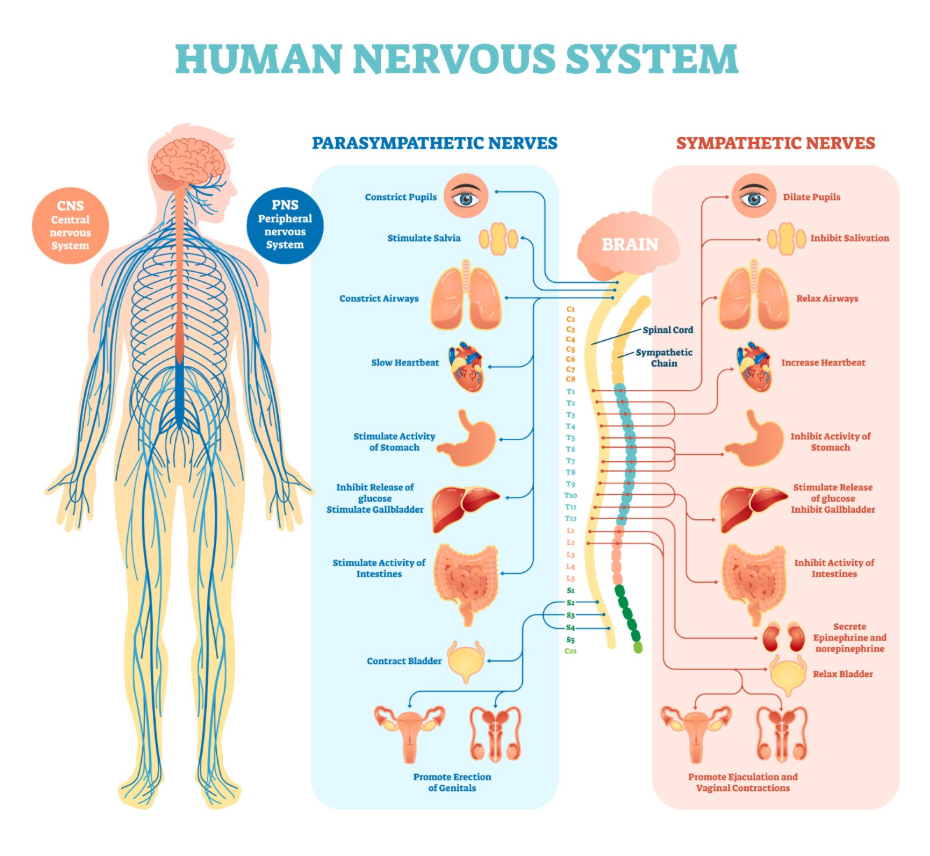
During this review, the healthcare professional will look for indicators of physiological dysregulation and may suggest blood tests to check thyroid function or blood sugar levels. In the UK, this professional framework provides a stable foundation for the health journey by identifying that physical and mental health are deeply interconnected. By utilised these integrated pathways, the healthcare system ensures that every person’s profile is supported through accurate clinical evidence. This coordinated effort ensures that the diagnosis is not rushed and considers the holistic wellbeing of the individual.
Standardised Screening Tools and Questionnaires
Clinicians use standardised screening tools, such as the GAD-7 questionnaire, to objectively measure the severity of anxiety symptoms and track how they change over time. In the United Kingdom, these tools help healthcare professionals categorise symptoms based on frequency and impact, ensuring that the management plan is proportionate to the individual’s needs. NICE clinical guidelines for common mental health problems indicate that standardised instruments should be used to aid the identification and assessment of anxiety.
| Assessment Area | Common Clinical Question | Purpose of Inquiry |
| Frequency | How many days in the last two weeks have you felt on edge? | Determining if the worry is persistent or occasional. |
| Control | Do you find it difficult to stop or control the worrying? | Evaluating the degree of cognitive regulation. |
| Physical Sensation | Have you experienced restlessness or muscle tension? | Identifying the biological impact on the body. |
| Functional Impact | How difficult have these problems made it to do your work? | Assessing the level of social and professional impairment. |
| Associated Symptoms | Are you feeling irritable or having trouble sleeping? | Checking for overlapping markers of distress. |
In the UK, these challenges are managed through integrated care plans that prioritise a person-centred approach. Utilising these scores allows the multidisciplinary team to select the most appropriate level of support, such as self-help or specialist therapy. This professional oversight is essential for providing a safe and accurate understanding of the individual’s functional capability. By building a robust evidence base through clinical review, the healthcare system provides a secure environment for long-term health.
Evaluating Duration and Clinical Severity
To meet the clinical criteria for an anxiety disorder in the United Kingdom, symptoms must generally be persistent, often lasting for at least six months, and must cause significant distress or impairment. Clinicians evaluate whether the anxiety is “generalised,” meaning it covers a wide range of topics, or “specific,” such as in the case of phobias or social anxiety. The GOV.UK health pages provide clinical profiles indicating that the monitoring of social and cognitive challenges is a priority for ensuring integrated support.
This evaluation considers how the brain’s “threat detection” system has become calibrated to a higher level of alertness than is typically required for the person’s environment. In the UK, the focus is on providing a stable foundation where the individual can manage their health successfully. Identifying these underlying drivers allows for more targeted help that addresses the biological cause of persistent distress. By utilised these professional frameworks, the UK system provides a life-long framework of support that adapts to the person’s needs. This approach acknowledges that while everyone feels anxious at times, a clinical condition requires a different management strategy.
Ruling Out Other Biological Factors
A vital part of the diagnostic process involves ruling out other biological factors, such as the side effects of medication, high caffeine intake, or the influence of certain substances. In the United Kingdom, healthcare professionals must ensure that the symptoms are not a direct result of a physical health issue like an overactive thyroid or an arrhythmia.
Common factors reviewed in the UK include:
- Caffeine and Stimulants: Identifying if excessive intake is triggering palpitations or restlessness.
- Prescription Medications: Checking if current treatments for other health issues have anxiety as a side effect.
- Hormonal Fluctuations: Considering the impact of puberty, pregnancy, or menopause on emotional regulation.
- Nutritional Deficiencies: Reviewing levels of B vitamins or iron which can influence energy and mood.
- Sleep Quality: Assessing whether chronic insomnia is the primary cause or a secondary symptom.
In the UK, identifying these indicators early is vital for preventing the emotional exhaustion that can accompany long-term health challenges. The integrated support framework encourages a strengths-based approach, focusing on what the individual needs to remain healthy. By utilised these professional frameworks, the healthcare system provides a secure environment for building professional and personal confidence. These strategies aim to work with the individual’s biology to restore a sense of calm.
Accessing Integrated NHS Support Pathways
The pathway for diagnosing and managing anxiety in the United Kingdom is a coordinated process involving GPs and mental health specialists through services like NHS Talking Therapies. This journey ensures that every individual receives a thorough review of their history and current environment to build a bespoke management plan.
The UK integrated support pathway involves:
- Initial Consultation: Discussing physical and psychological symptoms with a GP for a preliminary review.
- Diagnostic Assessment: Undergoing a formal review using clinical tools to identify the specific nature of the anxiety.
- Referral to Therapy: Accessing evidence-based talking therapies such as Cognitive Behavioural Therapy.
- Integrated Care Planning: Co-ordinating support between the health service, the family, and the workplace for adjustments.
- Regular Monitoring: Scheduled reviews to ensure that management strategies remain effective and safe over time.
In the UK, the focus is on providing a stable foundation for the individual to move forward with self-understanding. The NHS ensures that adults and children have a consistent point of contact for their health needs while they navigate their lives. This integrated approach ensures that the person’s unique way of functioning is respected within their home and work environment. By utilised these integrated pathways, the healthcare system provides a secure environment for building long-term mental wellbeing.
Conclusion
Anxiety is diagnosed through a structured clinical process that prioritises physical health reviews and the use of standardised assessment tools within the United Kingdom’s healthcare framework. The NHS and professional bodies provide a robust system of multidisciplinary reviews to help individuals identify their specific needs and access evidence-based therapies. By focusing on both the biological drivers of the stress response and the need for supportive environments, the system promotes the highest possible level of independence. Following a coordinated management plan with the help of medical and psychological experts ensures that unique adult and paediatric needs are addressed holistically.
Can a blood test diagnose anxiety?
No; blood tests are used in the UK to rule out physical health issues like thyroid problems that might mimic anxiety symptoms.
What is the GAD-7?
It is a seven-question tool used by the NHS to measure the severity of generalised anxiety based on the last two weeks.
Do I need to see a psychiatrist for a diagnosis?
Many cases of anxiety are identified and managed by a GP, though complex cases may be referred to specialist secondary care.
How long does the assessment take?
The initial GP appointment is usually ten minutes, but the full diagnostic process may involve follow-up reviews or therapy assessments.
What if I have physical symptoms but don’t feel “worried”?
The GP will still review your symptoms to determine if they are related to an overactive autonomic nervous system or another health issue.
Is the diagnosis kept confidential?
Yes; your medical records are private, though you can choose to share your status with your employer for reasonable adjustments.
Who should I talk to first?
The first point of contact in the United Kingdom is usually your GP to discuss your health and explore support options.
Authority Snapshot (E-E-A-T)
This article provides medically factual health education regarding the diagnosis of anxiety, strictly aligned with NHS and NICE clinical guidelines. The content is developed by a professional medical writing team and reviewed by Dr. Rebecca Fernandez, a UK-trained physician with experience in multiple clinical specialties including cardiology, emergency medicine, and psychiatry. All information follows current UK public health protocols to ensure clinical accuracy and patient safety.



