
Cholecystitis is a serious inflammation of the gallbladder that requires a structured clinical approach to resolve the underlying cause and prevent further health complications. In the United Kingdom, treatment typically involves an initial period of hospital stabilisation followed by surgical intervention to remove the inflamed organ. The primary objective is to manage the pain, clear any associated infection, and ensure that the biliary system is no longer obstructed by gallstones. Healthcare professionals across the NHS follow evidence based protocols established by the National Institute for Health and Care Excellence to decide the most appropriate timing for treatment. These pathways are designed to manage the acute stage of the illness safely while preparing the patient for long term recovery. Understanding the different phases of treatment, from intravenous medications to surgical recovery, helps patients navigate their hospital stay with confidence. By adhering to these established clinical standards, medical teams can effectively treat the inflammation and reduce the risk of recurring episodes or damage to neighbouring organs like the liver or pancreas.
What We’ll Discuss in This Article
- Initial hospital management and stabilisation procedures
- The role of antibiotics and fluids in treating infection
- Surgical options for the removal of the gallbladder
- Timing of surgery for acute versus chronic cases
- Alternative treatments for patients unsuitable for surgery
- Non surgical drainage procedures for severe cases
- Recovery and long term outlook after treatment
The standard treatment for acute cholecystitis in the United Kingdom involves hospital admission for stabilisation with intravenous fluids and antibiotics followed by surgical removal of the gallbladder
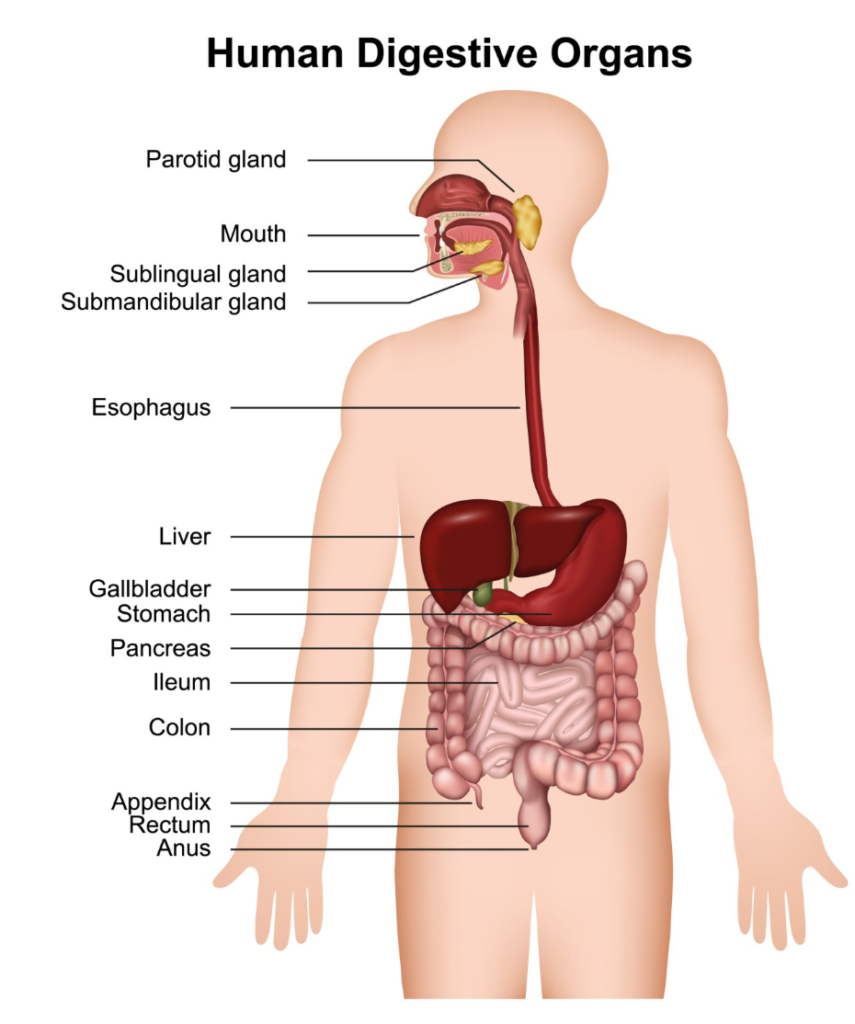
Initial medical care focuses on settling the inflammation and ensuring the patient is fit for more definitive intervention. Treatment for acute cholecystitis usually involves being admitted to hospital for treatment with intravenous fluids and antibiotics. During the first stage of care, patients are typically required to fast to allow the gallbladder to rest, and they receive strong pain relief to manage the severe abdominal discomfort. This period of hospitalisation allows the clinical team to monitor the patient for signs of worsening infection or complications, such as a perforated gallbladder, while they prepare for the surgical procedure that will permanently address the source of the problem.
Managing infection and pain in a hospital setting
Once admitted to a ward, the priority is to control the systemic response to the gallbladder inflammation through targeted medication. Intravenous fluids are essential for maintaining hydration, especially if the patient has been vomiting or is unable to eat. Antibiotics are administered to treat any bacterial infection that may have developed in the trapped bile behind an obstructing stone. Cholecystitis is inflammation of the gallbladder, which usually happens when a gallstone blocks the cystic duct. The duration of antibiotic therapy depends on the severity of the infection and the patient’s response to the initial doses. Pain management is also carefully titrated, often using medications that are more potent than those available over the counter, to ensure the patient remains comfortable throughout the diagnostic and preparatory phases of their care.
Surgical removal of the gallbladder
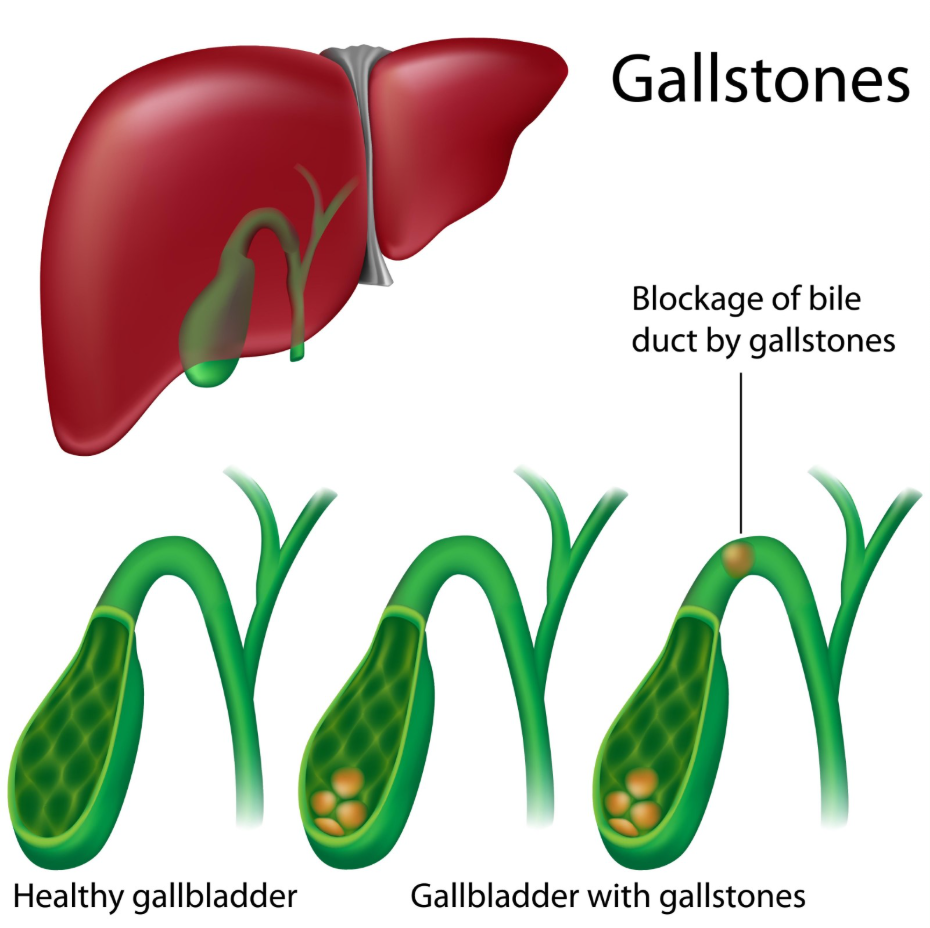
The definitive treatment for cholecystitis is the surgical removal of the gallbladder, a procedure known as a cholecystectomy. In the UK, this is most commonly performed using laparoscopic, or keyhole, surgery. This involves several small incisions in the abdomen through which a camera and specialised instruments are passed to detach and remove the organ. A laparoscopic cholecystectomy is the most common type of surgery to remove the gallbladder and is usually recommended if you have gallstones causing problems. Keyhole surgery is favoured because it results in less postoperative pain and a faster recovery compared to traditional open surgery. However, if the gallbladder is severely inflamed or scarred, the surgeon may need to convert to an open procedure to ensure the safe removal of the organ.
Timing of the surgical procedure
There is specific clinical guidance in the UK regarding when the surgery should take place following an acute episode of cholecystitis. According to the National Institute for Health and Care Excellence, people with acute cholecystitis should ideally be offered laparoscopic cholecystectomy within one week of diagnosis. Performing surgery early, often during the same hospital stay, has been shown to reduce the overall time a patient spends in hospital and decreases the risk of the patient having another painful attack while waiting for an elective slot. In cases where a patient is too unwell for immediate surgery, the medical team may wait for the inflammation to settle with antibiotics before scheduling the procedure for a few weeks later.
Alternative treatments for high risk patients
For individuals who are too frail or have too many other medical conditions to undergo general anaesthesia and surgery, alternative methods are used to manage the inflammation. One such procedure is a percutaneous cholecystostomy, where a needle is inserted through the skin and into the gallbladder to drain the infected bile. This relieves the pressure and allows the infection to clear without the need for an invasive operation. While this does not remove the stones or the gallbladder itself, it can be a life saving measure for stabiliseing a critically ill patient. These individuals may then be managed conservatively with diet or continued monitoring if surgery remains too risky in the future.
Non-surgical management of biliary obstructions
In some instances, cholecystitis is complicated by a stone that has moved into the common bile duct, requiring an additional procedure called an Endoscopic Retrograde Cholangio-Pancreatography. This involve passing a camera through the mouth and into the small intestine to physically retrieve the obstructing stone. Clearing the bile duct is essential for resolving jaundice or preventing a severe infection of the entire biliary tract. In the UK, this procedure is often performed before or alongside the gallbladder removal surgery to ensure the entire system is free of obstructions and functioning correctly.
Comparison of Surgical Approaches in the UK
| Feature | Laparoscopic Cholecystectomy (Keyhole) | Open Cholecystectomy |
| Incisions | Several small (5-10mm) cuts | One large cut (10-15cm) |
| Hospital Stay | Usually 0-1 days | Usually 3-5 days |
| Recovery Time | 2-4 weeks | 6-8 weeks |
| Common Use | Standard cases of cholecystitis | Complex, highly inflamed cases |
Conclusion
Cholecystitis is primarily treated through hospital admission for intravenous fluids, antibiotics, and pain relief, followed by the surgical removal of the gallbladder. UK clinical guidelines recommend that surgery be performed as soon as possible, ideally within a week of the diagnosis, to prevent further complications. For patients unable to undergo surgery, drainage procedures or conservative management may be used. Most people recover fully following the removal of the gallbladder and can lead a normal life without the organ. If you experience severe, sudden, or worsening symptoms, call 999 immediately.
Will I be able to eat normally after treatment?
Most people return to a normal healthy diet after their gallbladder is removed, though some find that very fatty foods are difficult to tolerate initially.
How long will I be in the hospital for cholecystitis treatment?
The stay varies depending on the severity of the inflammation and the timing of your surgery, but most patients are in for a few days.
Can cholecystitis be treated with just antibiotics?
Antibiotics can clear the infection, but without removing the gallbladder, there is a very high risk that the inflammation will return.
Is gallbladder surgery dangerous?
While all surgery carries some risk, cholecystectomy is one of the most common and safe procedures performed in the UK.
What happens if my gallbladder isn’t removed?
If the inflamed gallbladder is left in place, it can lead to recurring pain, chronic inflammation, or serious complications like a rupture.
Are there scars after keyhole surgery?
You will have several small scars on your abdomen, but these are typically small and fade significantly over time.
Can cholecystitis return after my gallbladder is removed?
No, because the source of the inflammation is gone, but it is still possible to develop stones in the bile ducts in rare cases.
Authority Snapshot (E-E-A-T Block)
This article was developed by the Medical Content Team to provide the general public with clear education on the clinical treatment of gallbladder inflammation. The content has been reviewed by Dr. Rebecca Fernandez, a UK-trained physician with experience in general surgery and emergency medicine, to ensure absolute alignment with NHS and NICE clinical guidance. Our purpose is to help patients understand their treatment journey through factual and restrained reporting.
