




Supporting a loved one with a mental health condition involves providing a stable social environment that encourages clinical engagement while utilising factual information to understand their biological and emotional experiences. In the United Kingdom, family and friends are recognised as vital components of the recovery process. By aligning with integrated NHS pathways, supporters can help maintain the individual’s functional stability and promote long-term wellbeing within a secure framework.
What We’ll Discuss in This Article
- The biological importance of a supportive social environment.
- Practical ways to encourage clinical engagement and treatment adherence.
- Effective communication strategies for depression, anxiety, and schizophrenia.
- Identifying early warning signs of relapse or functional decline.
- The role of family intervention and specialist NHS support services.
- Balancing caregiver wellbeing with the needs of the loved one.
The Biological Impact of Social Support
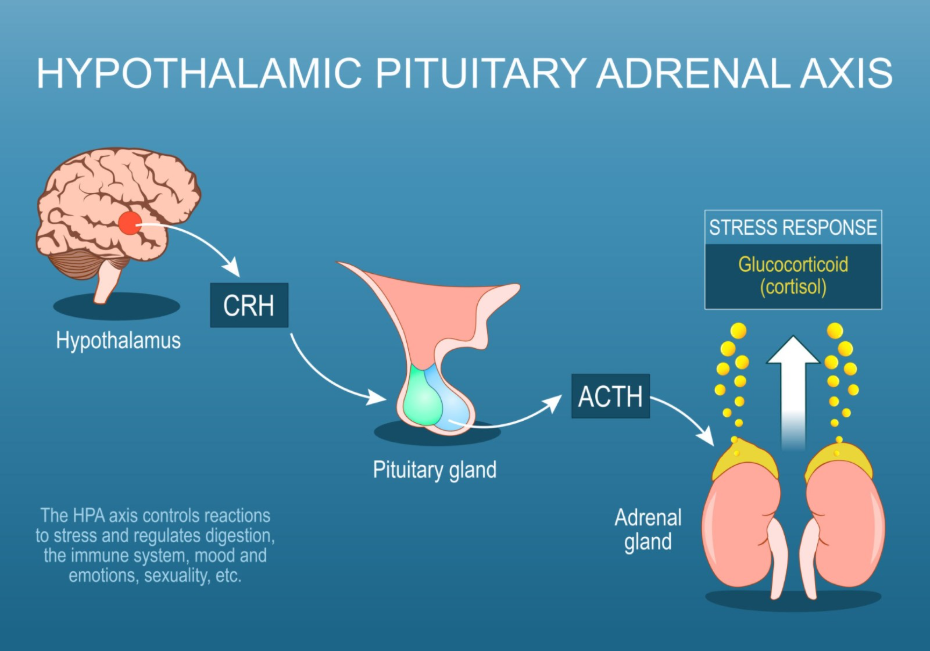
Social support influences a loved one’s recovery by helping to regulate their autonomic nervous system and providing a buffer against the physiological effects of chronic stress. In the United Kingdom, healthcare professionals identify that positive interpersonal connections can lower cortisol levels and support the brain’s emotional regulation centres. The NHS states that your support can play a vital role in someone’s recovery by helping them feel less isolated and more able to cope.
When an individual feels supported, their nervous system is better equipped to achieve homeostasis, which enhances the effectiveness of other clinical interventions. In the UK, this professional framework provides a stable foundation for the health journey by identifying that support is a biological necessity. By utilised these integrated pathways, the healthcare system ensures that the supporter’s role is informed by evidence-based understanding. This coordinated effort prioritises the safety of the individual within a validated medical environment.
Encouraging Clinical Engagement and Treatment
Supporting a loved one includes helping them navigate the UK healthcare system and encouraging consistent engagement with their prescribed medication or psychological therapies to ensure biological stability. In the United Kingdom, clinicians focus on a multidisciplinary approach where the family can assist in monitoring the effectiveness of treatment and identifying any side effects that may impact daily life. NICE clinical guidelines for psychosis and schizophrenia indicate that family intervention is a core recommendation to help prevent relapse and improve outcomes.
| Support Task | Practical Application | Functional Goal |
| Appointment Logistics | Assisting with transport or scheduling. | Consistent access to clinical reviews. |
| Medication Routine | Providing gentle reminders for dosing. | Maintaining neurochemical stability. |
| Information Gathering | Noting changes in mood or behaviour. | Providing factual data for the GP. |
| Advocacy | Supporting the loved one during reviews. | Ensuring their needs are clearly heard. |
| Therapy Practice | Encouraging use of CBT techniques. | Reinforcing learned emotional skills. |
In the UK, these tasks are managed as part of a person-centred approach that respects the individual’s independence. Identifying that regular care is a biological requirement helps supporters provide more effective and targeted assistance. This professional oversight is essential for providing a safe and accurate environment for recovery. By building a robust evidence base through clinical review, the healthcare system provides a secure environment for long-term health.
Communication Strategies for Different Conditions
Effective communication involves adapting your approach to the specific biological and psychological challenges of depression, anxiety, or schizophrenia to maintain a calm and non-judgmental environment. In the United Kingdom, specialists suggest using “active listening” to validate the person’s experience without necessarily agreeing with any distorted perceptions caused by their condition.
Condition-specific communication markers identified in the UK include:
- Depression: Using patient and gentle encouragement while acknowledging their physical fatigue.
- Anxiety: Remaining calm and avoiding dismissive phrases like “just relax” or “stop worrying”.
- Schizophrenia: Listening calmly to perceptual changes and focusing on the emotions they cause.
- Open Questions: Asking how they feel rather than assuming their internal state.
- Factual Language: Describing symptoms as biological health factors rather than personal choices.
- Comfortable Silence: Providing a presence without the pressure for constant conversation.
In the UK, identifying these communication needs early is vital for preventing the emotional withdrawal that often accompanies chronic health challenges. The integrated support framework encourages a strengths-based approach, focusing on what the individual needs to remain connected. By utilised these professional frameworks, the healthcare system provides a secure environment for building personal confidence. These strategies aim to work with the individual’s biology to restore a sense of calm.
Identifying Early Warning Signs and Relapse
Supporters are often the first to notice early warning signs of a relapse or functional decline, making their role critical in accessing timely clinical intervention to prevent an acute crisis. In the United Kingdom, healthcare professionals work with families to create “stay-well” plans that list the subtle changes in behaviour that suggest the nervous system is beginning to struggle.
Common indicators identified in the UK include changes in sleep patterns, increased irritability, or a sudden withdrawal from social activities. In the UK, the focus is on providing a stable foundation where the supporter’s observations are reviewed alongside the individual’s health plan. Identifying these underlying drivers allows for more targeted help that addresses the actual biological cause of distress. By utilised these professional frameworks, the UK system provides a life-long framework of support that adapts to the person’s needs. This approach ensures that the person’s unique way of functioning is respected within their home environment.
Accessing Integrated NHS Support for Families
The pathway for supporting a loved one in the United Kingdom is a coordinated process involving GPs, specialist mental health teams, and family support organisations. This journey ensures that both the individual and their supporters receive a thorough review of their needs to build a bespoke recovery and care plan.
The UK integrated support pathway involves:
- Joint GP Consultations: Attending reviews together to discuss health and management plans.
- Family Intervention Teams: Accessing specialist sessions to understand complex conditions like schizophrenia.
- Social Prescribing: Connecting the loved one with community groups to restore social confidence.
- Carer’s Assessment: Utilising a formal review of the supporter’s needs through the local council.
- Peer Support Groups: Connecting with other families to share collective coping strategies.
- Regular Monitoring: Scheduled reviews to ensure that the support system remains effective and safe.
In the UK, the focus is on providing a stable foundation for the family unit to move forward with self-understanding. The NHS ensures that adults and children have a consistent point of contact for their health needs while they navigate their lives. By utilised these integrated pathways, the healthcare system provides a secure environment for building long-term mental wellbeing across the UK population. These strategies aim to work with the individual’s biology to restore a sense of calm and purpose.
Conclusion
Supporting a loved one with depression, anxiety, or schizophrenia is a structured process in the United Kingdom that relies on factual education, clinical engagement, and multidisciplinary support. The NHS and professional bodies provide a robust system of assessments and family interventions to help supporters maintain their loved one’s functional stability. By focusing on both the biological roots of symptoms and the need for supportive environments, the system promotes the highest possible level of independence. Following a coordinated management plan with the help of medical and psychological experts ensures that unique health needs are addressed holistically.
What is “active listening” in mental health?
What is “aIt is a technique where you listen fully to your loved one without interrupting, showing that you understand their feelings.
Should I challenge the delusions of someone with schizophrenia?
No; UK clinicians suggest acknowledging the feelings the experiences cause rather than arguing about whether the experiences are real.
How can I help someone who refuses to see a GP?
Focus on their physical symptoms, like poor sleep or fatigue, as they may be more willing to see a doctor for these issues.
What is a “Carer’s Assessment”?
It is a free review in the UK by your local council to see what support you need as someone helping a loved one.
Can I talk to my loved one’s doctor without them?
While doctors must respect patient confidentiality, they can still listen to your concerns and provide general information about the condition.
Why is sleep so important for my loved one’s recovery?
Quality sleep allows the brain to process emotions and restores the chemicals needed for logical thinking and emotional stability.
Who should I talk to first if I am struggling to support someone?
The first point of contact in the United Kingdom is usually your GP to discuss your own health and explore local support options.
Authority Snapshot (E-E-A-T)
This article provides medically factual health education regarding supporting a loved one, strictly aligned with NHS and NICE clinical guidelines. The content is developed by a professional medical writing team and reviewed by Dr. Stefan Petrov, a UK-trained physician with experience in multiple clinical specialties including emergency care, general surgery, and medical education. All information follows current UK public health protocols to ensure clinical accuracy and patient safety.



