
Managing the discomfort associated with gallstones is a common concern for patients in the United Kingdom. Gallstone pain, often referred to as biliary colic, occurs when a stone temporarily blocks a duct in the gallbladder or biliary system. While the definitive treatment for recurring gallstone symptoms is often surgical removal of the gallbladder, temporary pain relief is frequently necessary during an acute episode or while waiting for further clinical assessment. In the UK, various over the counter and prescription medications are utilised to manage this pain safely. However, it is essential to understand which types of painkillers are appropriate and the specific circumstances under which they should be used. Following the guidance provided by the NHS and the National Institute for Health and Care Excellence ensures that pain management is both effective and safe. This article examines the types of painkillers used for gallbladder symptoms, the clinical safety considerations for their use, and the importance of recognising when pain indicates a more serious complication that requires hospital intervention rather than home medication.
What We’ll Discuss in This Article
- Common over the counter painkillers used for gallbladder pain
- The role of anti inflammatory medications in managing symptoms
- Why certain painkillers may be more effective for biliary colic
- Safety considerations and potential side effects of common medications
- The importance of clinical review before starting regular pain relief
- Identifying symptoms that painkillers cannot safely manage at home
- How the NHS manages severe gallbladder pain in a hospital setting
It is generally safe to use certain over the counter painkillers to manage mild to moderate gallstone pain, but they should only be used as directed by a healthcare professional or the product packaging
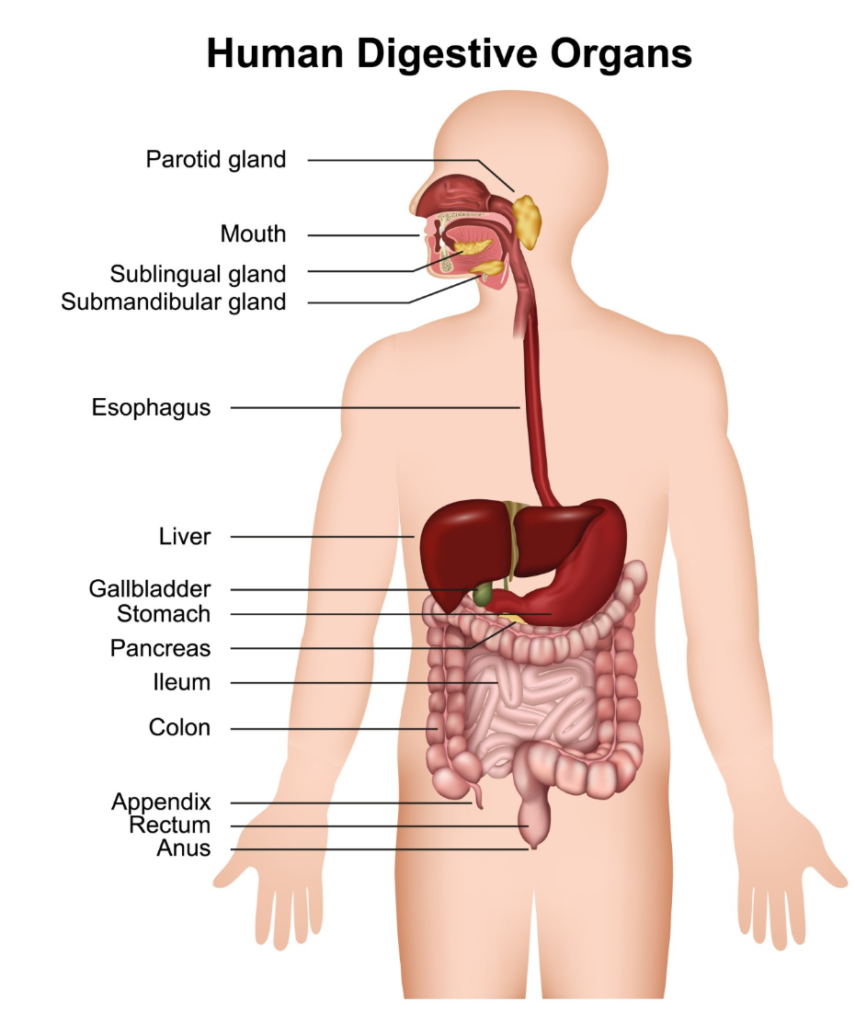
For many patients in the UK, paracetamol is the first line of defence for managing the sharp or gnawing pain located in the upper right abdomen. The most common symptom of gallstones is sudden and severe pain in the abdomen that usually lasts 1 to 5 hours. Paracetamol is effective for general pain relief and is typically well tolerated when taken at the correct dosage. However, it is important to ensure that the total daily limit is not exceeded, especially if the patient is using other multi symptom cold or flu remedies that may also contain paracetamol. While these medications can help settle the discomfort of a temporary blockage, they do not treat the underlying stones or prevent future attacks from occurring.
The role of non steroidal anti inflammatory drugs
Non steroidal anti inflammatory drugs, such as ibuprofen, are also commonly used in the United Kingdom to manage gallbladder discomfort. These medications work by reducing inflammation and can be particularly helpful if the gallbladder wall is irritated.
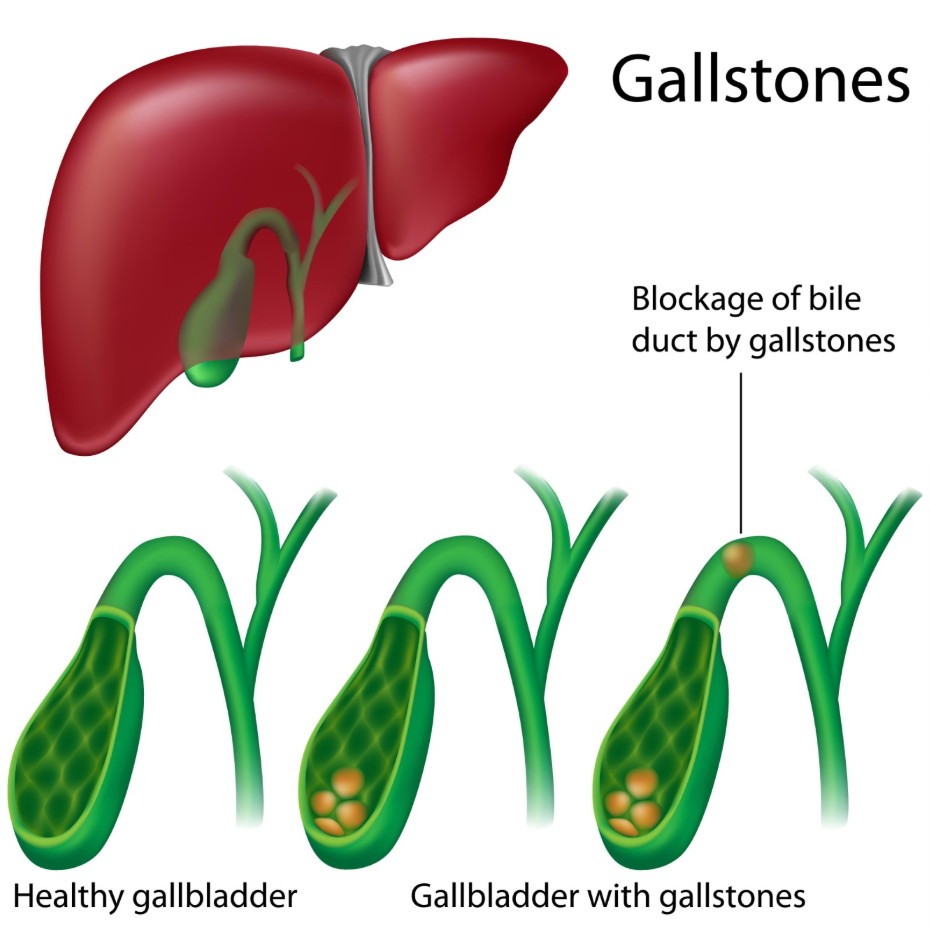
Many clinicians find that anti inflammatory medications are effective for biliary colic because they help to reduce the internal pressure and swelling that contribute to the pain. However, these medications may not be suitable for everyone, particularly individuals with a history of stomach ulcers, asthma, or kidney problems. It is advisable to consult with a pharmacist or GP before using these drugs to ensure they do not interfere with other health conditions or medications.
Managing severe pain and prescription options
When over the counter options are insufficient, UK healthcare providers may prescribe stronger analgesics to manage recurring or intense episodes of biliary colic. According to the National Institute for Health and Care Excellence, patients with severe or recurring gallbladder pain should be offered appropriate pain relief and referred for further investigation. In some cases, antispasmodic medications may be suggested to help relax the muscles in the bile ducts, potentially allowing the stone to pass or the pressure to subside. These stronger medications are strictly controlled and require a formal medical assessment to ensure they are the most appropriate choice for the patient’s specific symptoms and overall health profile.
When painkillers are not enough
It is vital for patients to recognise that while painkillers can manage the sensation of pain, they cannot resolve a serious infection or a permanent blockage. If gallstone pain is accompanied by a high temperature, shivering, or yellowing of the skin and eyes, painkillers should not be used as a substitute for urgent medical care. Cholecystitis is inflammation of the gallbladder, which usually requires hospital treatment with fluids and antibiotics alongside pain relief. In these situations, the pain is a signal of a medical emergency such as an infected gallbladder or a blocked bile duct. Relying solely on pain relief in these circumstances can mask symptoms of a worsening condition and delay essential life saving treatments like intravenous antibiotics or surgery.
Safety considerations for long term use
Relying on painkillers for extended periods to manage gallstone symptoms is generally not recommended in the UK. Frequent use of medications can lead to side effects such as gastric irritation or, in the case of paracetamol, potential strain on the liver. Furthermore, a reliance on painkillers may delay a patient from seeking the definitive surgical treatment required to stop the attacks permanently. The NHS goal is to use pain relief as a temporary measure while a long term management plan, such as a low fat diet or gallbladder removal surgery, is being established. Patients are encouraged to discuss their frequency of painkiller use with their GP to ensure their treatment plan remains safe and proportionate to their needs.
Comparison of Common Pain Relief Options
| Medication Type | Common Examples | Primary Use in Gallstone Pain |
| Analgesics | Paracetamol | General relief of mild to moderate discomfort |
| NSAIDs | Ibuprofen, Naproxen | Reducing inflammation and moderate pain |
| Antispasmodics | Buscopan | Relaxing the bile ducts to ease pressure |
| Prescription opioids | Codeine, Morphine | Severe pain management in a clinical setting |
Conclusion
It is safe to use standard painkillers like paracetamol or ibuprofen for temporary gallstone pain, provided they are used according to clinical guidance. These medications can provide comfort during a gallbladder attack but do not address the underlying cause of the stones. Persistent or severe pain that requires frequent medication should always be reviewed by a healthcare professional to discuss long term solutions. It is essential to distinguish simple pain from the warning signs of infection or duct blockages. If you experience severe, sudden, or worsening symptoms, call 999 immediately.
Can I take ibuprofen and paracetamol together for gallstone pain?
In the UK, it is often safe to combine these if you are over 16 and have no underlying health issues that prevent their use, but you should check with a pharmacist first.
Will painkillers make my gallstones go away?
No, painkillers only manage the sensation of pain and have no effect on the physical presence or size of the gallstones.
Is codeine safe for gallbladder pain?
Codeine is a prescription medication that can sometimes cause the biliary ducts to contract, so it should only be used if specifically prescribed by your doctor.
How often can I take paracetamol for my attacks?
You should never exceed the maximum dose stated on the packet, which is typically eight 500mg tablets in any 24 hour period.
Why does my pain return even after taking medication?
Painkillers only provide temporary relief; the pain will return if the stone is still causing a blockage or if the gallbladder continues to contract against it.
Can I use heat packs alongside painkillers?
Applying a warm compress to the upper right abdomen can sometimes provide additional comfort alongside your medication during a mild attack.
Are there specific painkillers for children with gallstone pain?
Children must only be given age appropriate medications as directed by a paediatrician or GP, as certain adult painkillers are not suitable for them.
Authority Snapshot (E-E-A-T Block)
This article was developed by the Medical Content Team to provide clear education on the safe use of medications for gallbladder symptoms. The content has been reviewed by Dr. Rebecca Fernandez, a UK-trained physician with experience in general surgery and emergency medicine, to ensure complete alignment with NHS and NICE clinical guidance. Our purpose is to help the public understand their pain management options through factual and restrained reporting.
