
Pancreatitis is a condition that presents with a wide spectrum of clinical severity, ranging from sudden, life-threatening episodes to subtle, mild inflammation that may not be immediately obvious. While most cases of acute pancreatitis involve severe and unmistakable abdominal pain, some individuals experience milder symptoms that can be mistaken for other digestive issues like indigestion or a stomach virus. Understanding the different ways this condition manifests is essential for ensuring that even less obvious cases receive the necessary medical evaluation to prevent further complications or long-term damage to the organ.
What We’ll Discuss in This Article
- The variation in symptom severity between acute and chronic presentations.
- Why mild cases of pancreatitis may be difficult to identify initially.
- Common symptoms that might be overlooked or attributed to other conditions.
- The risks of leaving mild or recurring inflammation undiagnosed.
- How healthcare professionals differentiate mild inflammation from other digestive issues.
- The role of clinical testing in confirming less obvious cases of pancreatitis.
Severity of Symptoms and Presentation
Pancreatitis is not always obvious because the intensity of symptoms often depends on the underlying cause and the extent of the inflammation. In many instances, acute pancreatitis presents with a sudden and intense pain in the upper abdomen that makes it very clear that medical attention is required. This pain is typically persistent and may feel as though it is travelling through to the back, often accompanied by vomiting and a high temperature.
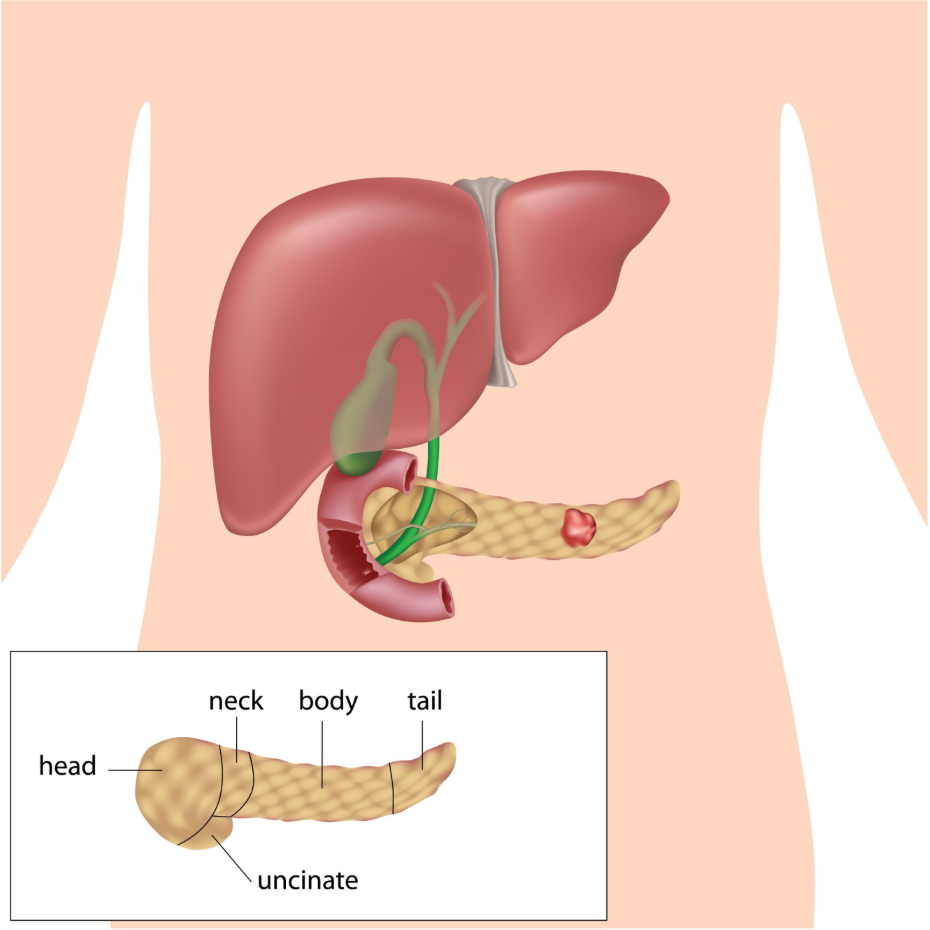
However, in cases of mild acute pancreatitis, the pain may be less debilitating and may subside relatively quickly without intervention. These mild episodes are often caused by small gallstones or minor irritations that the body manages to resolve on its own, leading some individuals to believe they have simply experienced a bout of severe indigestion. Despite the milder nature of these symptoms, the underlying inflammation still occurs and can be detected through specific clinical tests if performed during the episode.
Challenges in Identifying Chronic Pancreatitis
Chronic pancreatitis is frequently less obvious than the acute form because it involves slow, progressive damage rather than a single sudden event. In the early stages of chronic inflammation, a person might experience intermittent episodes of dull abdominal pain that come and go over several months or even years. Because the pain is not always constant or severe, it is common for these symptoms to be ignored or attributed to general lifestyle factors like diet.
The symptoms of chronic pancreatitis can be difficult to identify because they often overlap with other common gastrointestinal conditions. Over time, as the organ becomes more scarred, the signs become more apparent through changes in digestion, such as weight loss or stools that appear oily and are difficult to flush. These symptoms indicate that the pancreas is no longer producing enough enzymes, but by the time these signs appear, the condition may have been present and undiagnosed for a significant period.
Overlapping Symptoms with Other Conditions
The difficulty in identifying mild pancreatitis often stems from the fact that its primary symptom, abdominal pain, is shared with many other health issues. Mild inflammation can cause discomfort in the upper middle part of the stomach, which is the same location where people feel the effects of gastritis, peptic ulcers, or even simple acid reflux. Without the presence of severe vomiting or a fever, it can be challenging for a person to distinguish between a temporary stomach upset and a problem with the pancreas.
Clinicians use a specific set of criteria to help separate these conditions during an assessment. They look for specific “red flags,” such as pain that is relieved by leaning forward or pain that worsens significantly after eating a high-fat meal. While these signs can point toward the pancreas, the lack of “obvious” severe illness in mild cases means that blood tests and imaging are often the only way to provide a definitive answer.
Risks of Undiagnosed Inflammation
If mild pancreatitis goes undiagnosed and untreated, there is a risk that the underlying cause remains unaddressed, leading to recurrent episodes. For example, if a small gallstone is the trigger, it may continue to cause repeated bouts of minor inflammation that eventually lead to a more severe, life-threatening attack. Each episode of inflammation, no longer how mild, has the potential to cause a small amount of permanent damage to the pancreatic tissue.
NICE guidelines emphasise that even mild cases of acute pancreatitis require a thorough investigation to identify the cause and prevent recurrence. Failure to recognise these earlier, less obvious signs can eventually result in the development of chronic pancreatitis, where the damage becomes irreversible. This can lead to long-term health complications, including the development of diabetes or the inability to absorb nutrients from food effectively.
Clinical Tools for Detecting Mild Cases
When pancreatitis is not clinically obvious, healthcare professionals rely on laboratory and imaging investigations to reach a conclusion. Blood tests for amylase and lipase are highly sensitive; even in mild cases, these enzymes usually show a significant spike in the bloodstream shortly after the pain begins. If a person wait several days before seeking a test, these levels may return to normal, making it even harder to confirm that an episode occurred.
Imaging, such as an ultrasound or a CT scan, can also help by showing subtle changes like slight swelling or fluid around the pancreas. In some cases where the diagnosis remains unclear, doctors may use more advanced tools like an endoscopic ultrasound to get a high-resolution view of the organ. These tests are essential for detecting the structural changes that occur during inflammation, even when the patient does not appear outwardly “very ill.”
Comparison of Acute and Chronic Symptom Clarity
The table below provides a comparison of how obvious symptoms tend to be in different forms of the condition.
| Feature | Acute Pancreatitis | Chronic Pancreatitis |
| Pain Onset | Sudden and intense | Gradual and intermittent |
| Pain Location | Upper abdomen, radiates to back | Upper abdomen, may be dull/aching |
| Ease of Diagnosis | Usually obvious via blood tests | Often difficult; requires long-term data |
| Associated Signs | Fever, vomiting, rapid pulse | Weight loss, oily stools, diabetes |
| Common Misdiagnosis | Gallstones, stomach ulcer | IBS, indigestion, gastritis |
Conclusion
Pancreatitis is not always an obvious condition and can present with mild symptoms that mimic less serious digestive problems. While acute episodes are often sudden and severe, chronic inflammation can develop silently over many years with only intermittent discomfort. Early clinical investigation is vital for identifying even the mildest cases to prevent permanent damage and recurring attacks. If you experience severe, sudden, or worsening symptoms, call 999 immediately.
Can you have pancreatitis with no pain at all?
While pain is the most common symptom, in very rare cases, particularly in some forms of chronic pancreatitis or in people with long-term diabetes, the condition can progress with minimal or dull discomfort that is not easily identified as pancreatic.
How do I know if my stomach ache is pancreatitis?
Pancreatic pain is typically located in the upper abdomen and often feels like it is “boring” through to the back. It is usually more persistent and severe than a typical stomach ache and does not go away with standard indigestion remedies.
Is it possible to have a one-off mild attack and never have it again?
Yes, if the cause—such as a specific medication or a single small gallstone—is removed or resolved, a person may have one mild episode and no further issues, but a medical check is still needed to confirm this.
Can mild pancreatitis be seen on a regular X-ray?
No, a standard X-ray is not effective for seeing the pancreas. Doctors use more detailed scans like ultrasound, CT, or MRI to look for signs of inflammation or damage.
Why does leaning forward help the pain?
The pancreas sits behind the stomach; leaning forward can sometimes take pressure off the organ and the surrounding nerves, which is a classic clinical sign that doctors look for during an examination.
Can a blood test miss a mild case of pancreatitis?
Blood tests for enzymes are very accurate but only if they are taken within a few days of the symptoms starting. If the test is delayed, the levels may have already returned to a normal range.
Authority Snapshot (E-E-A-T)
This article is designed to provide clear, factual health education regarding the presentation of pancreatitis in the UK. The content is strictly aligned with the clinical frameworks provided by the NHS and NICE. It has been authored and reviewed by the Medical Content Team and Dr. Stefan Petrov to ensure that the information remains accurate and safe for the general public.
