
Recognising the symptoms of pancreatitis is essential for ensuring timely medical intervention and preventing serious complications. Pancreatitis is the inflammation of the pancreas, a small organ located behind the stomach that produces digestive enzymes and hormones like insulin. In the United Kingdom, healthcare professionals categorise the condition into acute and chronic forms, each presenting with a unique set of clinical signs. While some symptoms may overlap with less severe digestive issues, the intensity and duration of pancreatic pain often distinguish it from standard indigestion. This article explores the hallmark signs of pancreatic inflammation, the differences in how acute and chronic cases manifest, and the importance of professional monitoring to protect long term organ function.
What We’ll Discuss in This Article
- The primary characteristics of acute abdominal pain
- How symptoms differ between acute and chronic episodes
- Associated physical signs like nausea, vomiting, and fever
- Digestive changes and weight loss linked to chronic damage
- Recognising the progression of symptoms and potential complications
- When abdominal pain indicates a medical emergency
- NHS methods for evaluating and monitoring these symptoms
The most common symptom of pancreatitis is sudden and severe pain in the centre of the abdomen that often radiates through to the back
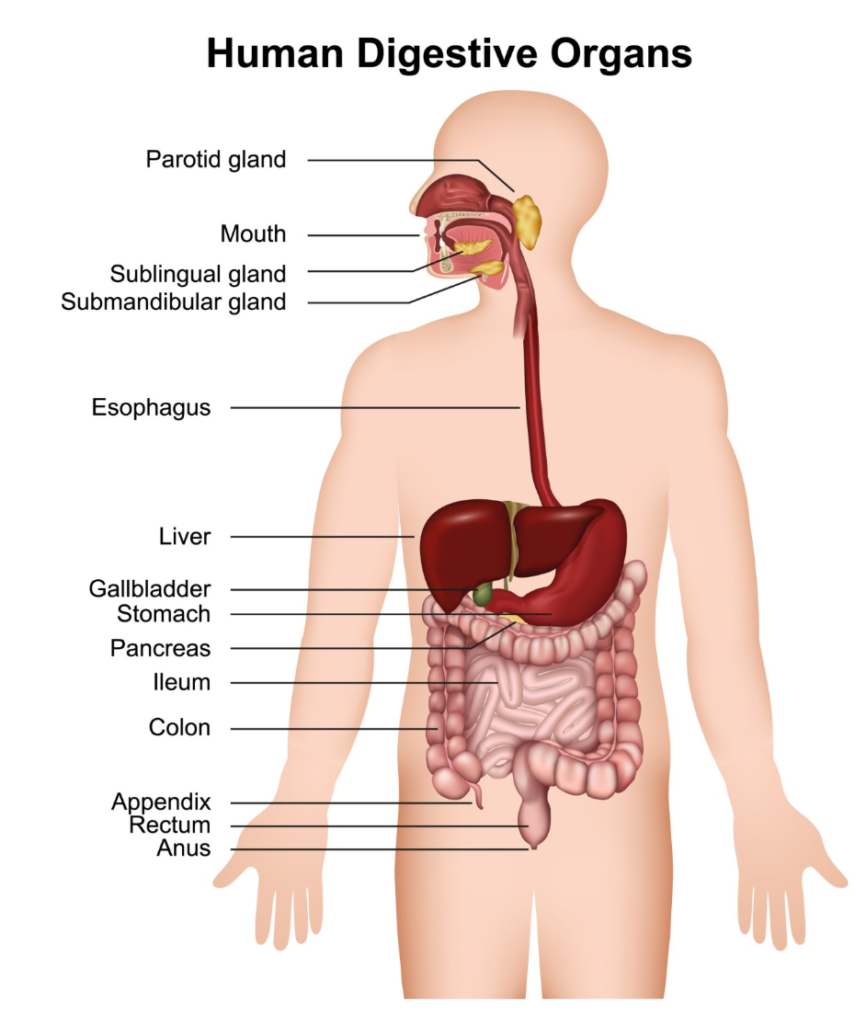
In the United Kingdom, clinical reports indicate that the vast majority of patients presenting with acute pancreatitis experience intense abdominal distress. The most common symptom of acute pancreatitis is a sudden, severe pain in the centre of your tummy, just below your breastbone. This pain typically develops very quickly and can be described as a sharp or boring sensation that feels deep within the body. Because the pancreas is situated close to the spine, the inflammation often causes the pain to travel through the torso to the back. This specific radiating pattern is a key diagnostic indicator used by healthcare professionals to differentiate pancreatic issues from other abdominal conditions like gallstones or stomach ulcers.
Associated physical signs of acute inflammation
In addition to severe pain, acute pancreatitis often causes systemic symptoms that reflect the body’s response to significant internal inflammation. Patients frequently experience persistent nausea and vomiting, which can lead to dehydration if not managed. A high temperature or fever is also common as the body attempts to fight the inflammatory response. Some individuals may notice a rapid pulse or shallow breathing, which can indicate that the inflammation is affecting overall circulatory stability. Acute pancreatitis is where the pancreas becomes inflamed over a short period of time, often leading to a general feeling of being very unwell. During a hospital assessment in the UK, clinicians monitor these vital signs closely to determine the severity of the episode and provide appropriate supportive care.
Symptoms of chronic pancreatic damage
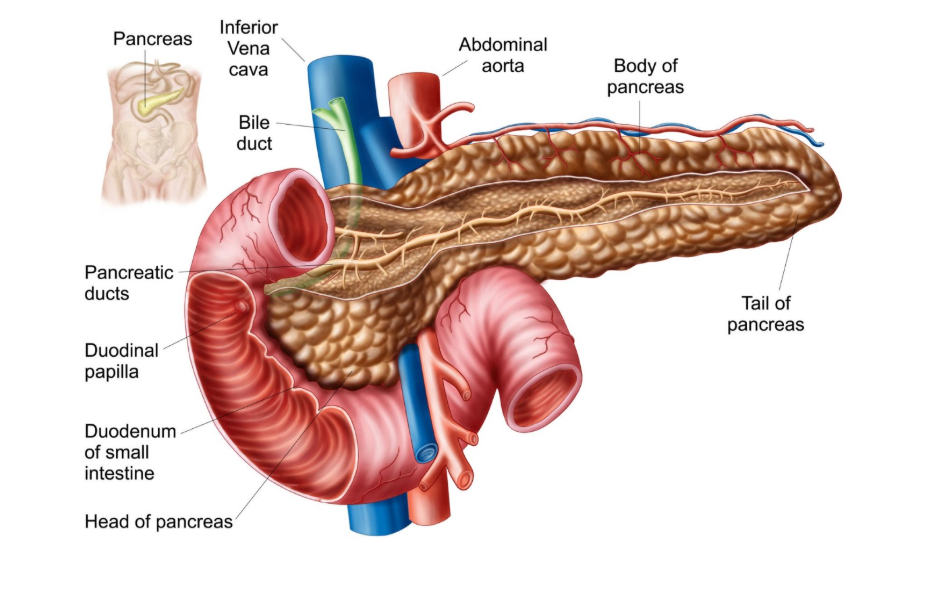
Chronic pancreatitis involves permanent scarring of the organ, which leads to a different profile of symptoms compared to a sudden acute attack. The pain in chronic cases is often less sharp but more persistent, sometimes described as a dull, gnawing ache that fluctuates in intensity. Over time, as the pancreas loses its ability to produce digestive enzymes, patients may notice significant changes in their bowel habits. Oily, foul smelling stools that are difficult to flush, known as steatorrhoea, are a classic sign that the body is failing to absorb fats correctly. Chronic pancreatitis is where the pancreas has been permanently damaged from inflammation over many years, which can also cause unintended weight loss. Because the organ’s hormone production is also affected, some patients may eventually develop symptoms of diabetes, such as increased thirst and frequent urination.
Recognising the triggers and timing of symptoms
The timing of pancreatic symptoms can often provide clues regarding the underlying cause, such as gallstones or alcohol consumption. In many instances, the pain associated with pancreatitis worsens shortly after eating, particularly after meals that are high in fat. This occurs because the pancreas is stimulated to release digestive enzymes, which further irritates the already inflamed tissue. In the UK, medical teams often ask patients about the relationship between their meals and the onset of pain to help narrow down the diagnosis. For those with chronic disease, the pain may become more constant, whereas acute pain is typically relentless until medical treatment is initiated to settle the inflammation.
Comparison of Acute and Chronic Symptoms
| Symptom Feature | Acute Pancreatitis | Chronic Pancreatitis |
| Pain Onset | Sudden and intense | Gradual or episodic |
| Pain Location | Upper abdomen and back | Upper abdomen (often constant) |
| Digestion | Usually temporary nausea | Oily stools and malabsorption |
| Weight | No immediate change | Unintended weight loss |
| Systemic Signs | Fever and rapid pulse | Possible jaundice or diabetes |
Complications and red flag signs
If pancreatitis is left untreated or becomes severe, it can lead to complications that manifest through specific physical changes. Jaundice, characterised by a yellowing of the skin and the whites of the eyes, can occur if the inflamed pancreas presses on the bile duct. Some patients may notice a tender or swollen abdomen, which can indicate fluid collections or a pseudocyst forming near the organ. In the United Kingdom, healthcare professionals use advanced imaging and blood tests to monitor for these developments. Identifying these signs early is vital for preventing systemic complications such as kidney or lung issues, which can occur if the inflammatory chemicals from the pancreas enter the wider bloodstream.
Clinical evaluation in the UK
When a patient presents with suspected pancreatitis, UK doctors focus on physical examination and specific diagnostic markers. Tenderness when the abdomen is touched is a common finding, and clinicians will look for signs of dehydration or low blood pressure. According to the National Institute for Health and Care Excellence, the diagnosis of acute pancreatitis is often confirmed by measuring levels of the enzymes amylase or lipase in the blood. If these levels are significantly elevated, it indicates that enzymes are leaking out of the inflamed pancreatic tissue. Combined with the patient’s description of radiating pain, these tests allow for an accurate assessment of the condition and the immediate commencement of hospital based treatment.
Conclusion
The symptoms of pancreatitis primarily involve severe abdominal pain that often radiates to the back, accompanied by nausea and fever in acute cases. Chronic inflammation leads to more persistent pain, unintended weight loss, and changes in bowel habits due to the loss of digestive function. Recognising these signs early allows for the necessary clinical tests to confirm the diagnosis and prevent permanent organ damage. Following official UK medical guidance ensures that symptoms are managed safely and effectively. If you experience severe, sudden, or worsening symptoms, call 999 immediately.
Why does the pain go through to my back?
The pancreas is located deep in the abdomen, very close to the spine and major nerves, which causes the sensation of pain to travel backward.
Is it normal to feel sick with pancreatitis?
Yes, nausea and vomiting are very common symptoms as the inflammation disrupts the normal digestive processes.
Can the pain come and go?
While acute pain is usually constant, the pain associated with chronic pancreatitis can sometimes be episodic or fluctuate in intensity.
Will my eyes turn yellow if I have pancreatitis?
Yellowing of the eyes, or jaundice, can occur if the swelling in the pancreas blocks the bile duct, but it does not happen in every case.
Does everyone with pancreatitis lose weight?
Weight loss is more common in chronic pancreatitis because the damaged organ cannot produce enough enzymes to help the body absorb nutrients.
How is the pain different from a normal stomach ache?
Pancreatic pain is typically much more intense, does not improve with standard antacids, and often feels like a boring or sharp sensation.
Can I manage the symptoms at home?
Severe abdominal pain should always be evaluated by a professional, as acute pancreatitis requires hospital treatment with fluids and monitoring.
Authority Snapshot (E-E-A-T Block)
This article was developed by the Medical Content Team to provide clear education on the symptoms associated with pancreatic inflammation. The content has been reviewed by Dr. Rebecca Fernandez, a UK-trained physician with experience in general surgery and emergency medicine, to ensure absolute alignment with NHS and NICE clinical guidance. Our purpose is to help the public recognise serious health signs through factual and restrained reporting.
