
Behavioural challenges in individuals with cerebral palsy often stem from the underlying brain injury affecting emotional regulation, combined with the daily frustrations of living with physical and communication limitations. In the United Kingdom, the NHS recognises that psychological and behavioural needs are as significant as physical ones, requiring an integrated approach to care. These challenges are managed through a multidisciplinary framework that supports the individual and their family.
What We’ll Discuss in This Article
- The neurological relationship between brain injury and behaviour.
- Common behavioural manifestations such as frustration and anxiety.
- The impact of communication difficulties on social interaction.
- Managing sensory processing issues and emotional regulation.
- Integrated NHS psychological and neurodevelopmental support.
- Practical strategies for families and caregivers in the UK.
Neurological Basis of Behavioural Changes
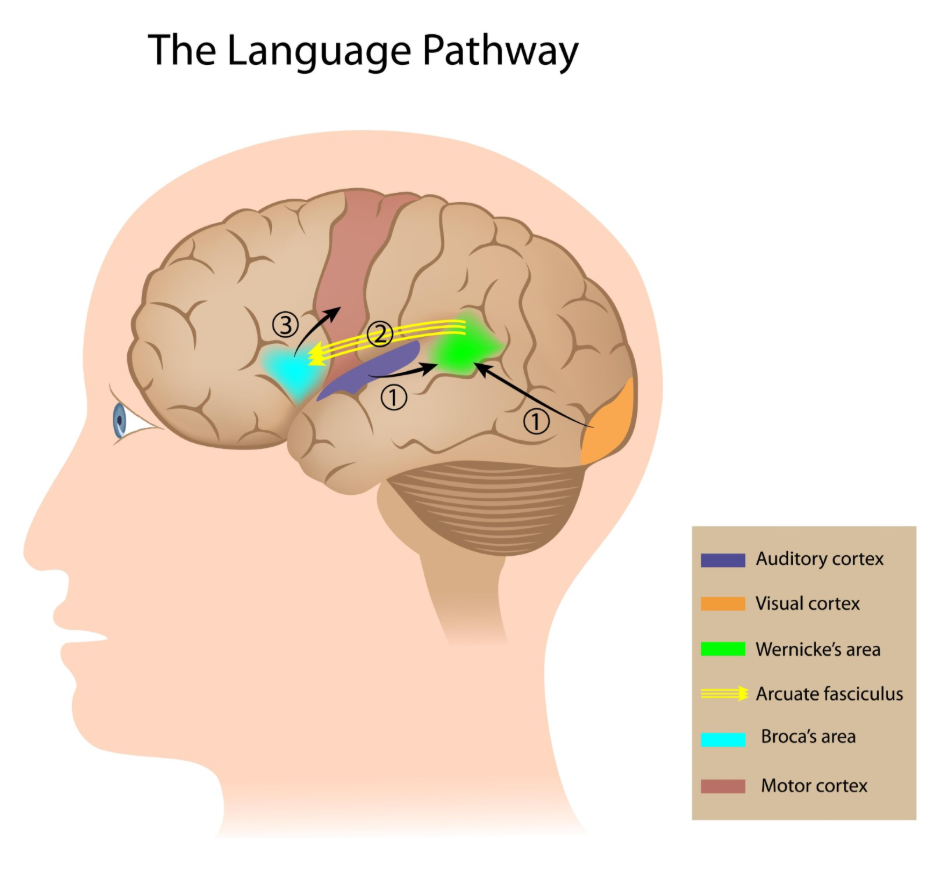
The brain injury that causes cerebral palsy can also impact the regions responsible for executive function and emotional control, leading to difficulties in how an individual processes and responds to their environment. While cerebral palsy is primarily a motor disorder, the initial injury often involves broader neural networks that influence behaviour. The NHS states that children with cerebral palsy may have behavioural problems, such as being prone to tantrums or experiencing low mood.
In the United Kingdom, specialist assessments often focus on the frontal lobe, which governs impulse control and social conduct. If these areas are affected, an individual may struggle to regulate their emotions or adapt to changes in their routine. This neurological foundation means that what may appear as “difficult” behaviour is often a direct result of how the brain processes information and manages stress. UK clinicians work to identify these neurological triggers through neurodevelopmental reviews, ensuring that behavioural management is tailored to the person’s specific cognitive profile. By understanding the biological origin of these challenges, the healthcare team can provide more effective, evidence-based interventions that move beyond simple disciplinary measures.
Emotional Regulation and Frustration
Emotional regulation challenges, including frequent outbursts or frustration, are common because individuals with cerebral palsy must often expend significant physical and mental energy to perform tasks that others find simple. This persistent effort can lead to fatigue, which reduces the person’s ability to cope with minor setbacks or social pressures. NICE clinical guidelines for cerebral palsy indicate that behavioural and psychological needs should be assessed regularly, as they can significantly impact quality of life and social participation.
Factors contributing to frustration in the UK context include:
- Physical Limitations: Being unable to move or play as intended.
- Chronic Fatigue: The high energy cost of movement leading to irritability.
- Pain and Discomfort: Undiagnosed muscle stiffness causing persistent distress.
- Lack of Independence: The emotional toll of requiring help for personal tasks.
Managing these emotions requires a combination of physical therapy to reduce discomfort and psychological support to develop coping strategies. In the UK, occupational therapists and psychologists work together to create environments that minimise frustration. This might involve using specialist equipment to increase independence or teaching “pacing” techniques to manage fatigue. By addressing the root causes of frustration, the NHS aims to improve the individual’s emotional stability and their ability to engage positively with others. This integrated support is essential for helping the person navigate the emotional complexities of living with a long-term neurological condition.
The Impact of Communication on Behaviour
Communication difficulties are a primary driver of behavioural challenges, as the inability to express needs, feelings, or choices can lead to profound feelings of isolation and anger. When speech is slurred or absent due to motor impairment, the individual may resort to physical behaviours to gain attention or signal distress.
| Communication Challenge | Potential Behavioural Response | Integrated UK Support |
| Dysarthria | Frustration due to being misunderstood. | Speech and language therapy (SLT). |
| Verbal Dyspraxia | Withdrawal from social interactions. | Alternative communication (AAC) tools. |
| Processing Delay | Apparent non-compliance or confusion. | Using visual aids and simplified cues. |
| Language Impairment | Outbursts used to signal basic needs. | Functional communication training. |
In the United Kingdom, speech and language therapists (SLTs) play a vital role in reducing these behavioural triggers by providing the individual with reliable ways to communicate. This often includes Augmentative and Alternative Communication (AAC), such as picture boards or voice-output devices. When a person can successfully convey their thoughts, the need for “challenging” behaviour often diminishes significantly. The NHS prioritizes functional communication as a way to empower the individual and reduce social anxiety. By ensuring that the person has a “voice,” the healthcare team supports both their cognitive development and their emotional wellbeing.
Sensory Processing and Overload
Many individuals with cerebral palsy experience sensory processing difficulties, where the brain struggles to organize and respond to information from the senses, leading to over-sensitivity and behavioural “meltdowns.” This sensory overload can make crowded or noisy environments, such as schools or shopping centres, feel overwhelming and threatening. The GOV.UK health pages provide clinical profiles indicating that sensory impairments and neurodivergent traits, such as those seen in autism, can frequently co-occur with cerebral palsy.
Signs of sensory overload in the UK include:
- Hyper-sensitivity: Strong reactions to specific textures, sounds, or bright lights.
- Avoidance Behaviour: Withdrawing from activities involving physical touch or loud noises.
- Self-Stimulation: Repetitive movements used to self-soothe when overwhelmed.
- Heightened Anxiety: Constant “alertness” in new or unpredictable environments.
Occupational therapists in the UK often perform sensory assessments to create “sensory profiles” for individuals. Management involves making environmental adaptations, such as providing noise-cancelling headphones or creating “quiet zones” in schools. Understanding a person’s sensory triggers is essential for preventing behavioural outbursts before they occur. The NHS provides guidance on “sensory diets,” which are structured activities designed to help the nervous system stay regulated throughout the day. This proactive approach ensures that the individual can participate in a wider range of activities without the fear of sensory-driven distress.
Mental Health and Anxiety Disorders
Anxiety and low mood are more prevalent in individuals with cerebral palsy, often resulting from the social challenges, bullying, or the self-awareness of being “different” that can emerge during the toddler and school years. Persistent anxiety can manifest as avoidant behaviour, sleep disturbances, or increased muscle tension, which in turn worsens physical symptoms.
The UK approach to mental health support involves:
- Paediatric Psychology: Specialist support for children to build resilience and self-esteem.
- CBT and ACT: Adapted talking therapies to help manage anxiety and low mood.
- Peer Support: Connecting families to reduce isolation and share coping strategies.
- School Liaison: Ensuring that the child’s emotional needs are supported in the classroom.
In the United Kingdom, Child and Adolescent Mental Health Services (CAMHS) work alongside neuro-disability teams. It is vital to distinguish between behavioural challenges caused by neurological impulsivity and those driven by an underlying anxiety disorder. The NHS provides a continuous safety net for mental health, acknowledging that psychological wellbeing is a foundation for physical rehabilitation. By addressing anxiety early, the healthcare team helps the individual develop a positive self-identity and the social skills needed for long-term independence.
Integrated NHS Support and Family Resources
The United Kingdom provides a comprehensive framework of integrated support to help families manage behavioural challenges through multidisciplinary teams and community resources. This coordinated effort ensures that behavioural needs are addressed alongside physical therapy and medical management.
The UK support framework involves:
- Neurodevelopmental Teams: Specialists who assess for co-occurring conditions like ADHD or autism.
- Specialist Nurses: Providing practical advice on behaviour management in the home.
- Education, Health and Care (EHC) Plans: Ensuring that behavioural support is legally mandated in schools.
- Social Care Liaison: Providing respite care and family support to reduce caregiver stress.
By utilising this integrated framework, the NHS ensures that management is consistent across all environments. Accessing these services through a GP or paediatrician ensures that the care is evidence-based and aligned with national standards. This professional safety net provides families with the reassurance that they have access to the expertise required to manage the complex behavioural aspects of cerebral palsy.
Conclusion
Behavioural challenges in cerebral palsy are often a result of neurological factors, sensory processing issues, and the daily frustrations of communication and physical limitations. In the UK, the NHS manages these needs through integrated multidisciplinary teams, combining psychological support with physical and speech therapy. Understanding the root cause of the behaviour whether it is fatigue, anxiety, or a communication gap is essential for providing the right support. Following a structured EHC plan ensures that these needs are also addressed within the educational system. The UK healthcare system provides a life-long framework of care for individuals and their families.
Does cerebral palsy always cause behavioural problems?
No; many people with the condition do not experience significant behavioural issues, although they may still face emotional challenges.
Can a change in medication help with behaviour?
If behaviour is driven by pain or muscle stiffness, adjusting medications like baclofen may help improve the person’s comfort and mood.
Is it common for children with cerebral palsy to have autism?
There is a higher prevalence of neurodivergent traits in the cerebral palsy population, and the NHS provides assessments for co-occurring conditions.
How can a speech therapist help with tantrums?
By providing the child with a reliable way to communicate their needs (like using symbols), the frustration that leads to tantrums is often reduced.
Will my child grow out of these behavioural challenges?
As children develop better communication and coping skills, many behavioural issues improve, though some may require ongoing support.
Does the NHS provide support for parents’ mental health?
Yes; GPs can refer parents to local mental health services, and charities provide peer support to help manage the stress of caregiving.
What is a sensory diet?
It is a tailored plan of physical and sensory activities used in the UK to help an individual stay focused and calm throughout the day.
Authority Snapshot (E-E-A-T)
This article provides medically factual health education regarding the behavioural challenges associated with cerebral palsy, strictly aligned with NHS and NICE clinical guidelines. The content is developed by a professional medical writing team and reviewed by Dr. Rebecca Fernandez, a UK-trained physician with experience in general surgery, cardiology, and emergency medicine. All information follows current UK public health protocols to ensure clinical accuracy and patient safety.
