
Developmental red flags for cerebral palsy include significant delays in reaching physical milestones, persistent abnormalities in muscle tone, and unusual movement patterns during an infant’s first years of life. In the United Kingdom, the NHS uses a structured monitoring system to identify these indicators early through health visitor reviews and GP assessments. Recognising these signs allows for timely referral to specialist paediatric services and integrated therapy.
What We’ll Discuss in This Article
- Identifying delays in core motor milestones like head control and sitting.
- Recognising persistent muscle stiffness or unusual floppiness.
- The clinical significance of asymmetric movements and hand preference.
- Monitoring for persistent primitive reflexes beyond the expected age.
- Identifying oral-motor red flags related to feeding and swallowing.
- Accessing the integrated NHS diagnostic and support pathway in the UK.
Delays in Achieving Gross Motor Milestones
A primary red flag for cerebral palsy is a significant delay in achieving gross motor milestones, which are the large movements involving the core, arms, and legs. While children develop at different rates, failing to reach specific targets can indicate a disruption in the brain’s motor control pathways. The NHS states that a child may be at risk if they are not sitting up without support by eight months or not walking by 18 months.
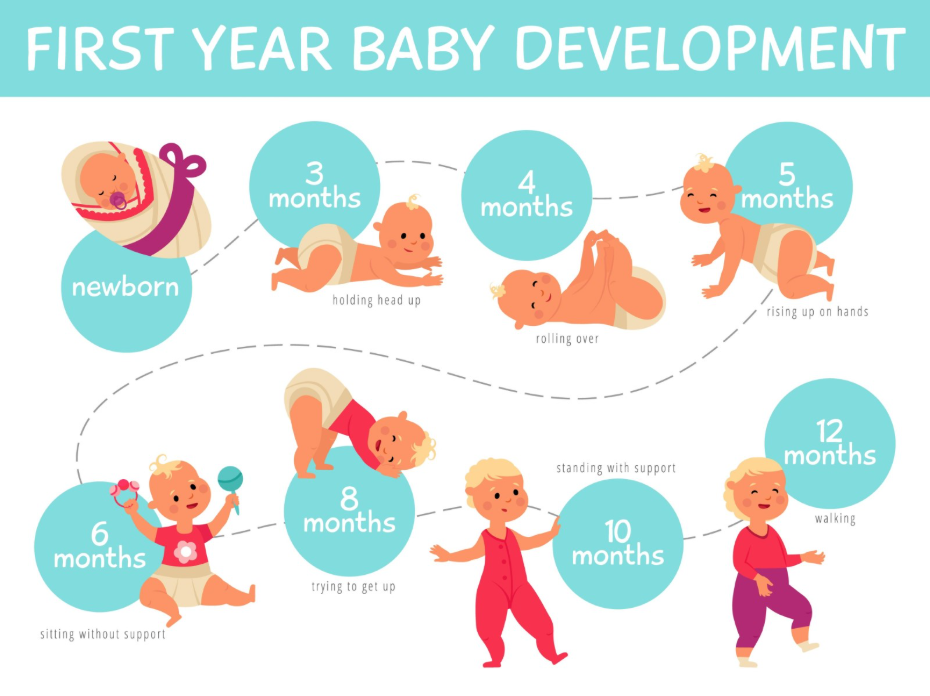
In the United Kingdom, healthcare professionals monitor for “head lag” at four months, where the head falls back when the infant is lifted. Other indicators include an inability to roll over by six months or a lack of weight-bearing through the legs by nine months. These delays suggest that the signals required for postural stability and voluntary movement are not being transmitted effectively. When these milestones are missed, the NHS provides a pathway for a formal developmental review. Early clinical identification ensures that the child receives the necessary physiotherapy to support their physical growth and functional mobility.
Abnormal Muscle Tone and Postural Patterns
Persistent abnormalities in muscle tone, such as excessive stiffness or noticeable floppiness, are critical red flags that suggest the central nervous system is not regulating muscle tension correctly. Muscle tone is the natural resistance in a muscle at rest, and its disruption is a core feature of the different types of cerebral palsy. NICE clinical guidelines for cerebral palsy indicate that abnormal muscle tone and persistent primitive reflexes are key indicators for a specialist neurological referral.
| Tone Type | Red Flag Observations | Functional Impact |
| Hypertonia (Stiff) | Rigid limbs; legs crossing like scissors. | Difficulty with dressing and nappy changes. |
| Hypotonia (Floppy) | Head falls back; body feels like a ragdoll. | Struggles with sitting and upright posture. |
| Dystonia (Variable) | Unpredictable shifts from stiff to floppy. | Uncontrolled twisting or jerky movements. |
In the United Kingdom, these signs are often identified when a baby feels “different” to hold compared to their peers. A baby with high muscle tone may keep their hands in tight fists beyond three months or arch their back frequently. A baby with low muscle tone may struggle to lift their chest during “tummy time.” These patterns require a detailed assessment by a paediatrician to check reflexes and coordination. Integrated support in the UK focuses on providing positioning aids and therapy to manage these tonal variations, ensuring the child remains comfortable and supported in their daily environment.
Asymmetric Movements and Early Hand Preference
Showing a strong preference for using one side of the body before the age of 12 months is a significant red flag for hemiplegic cerebral palsy. Infants should typically use both hands and legs equally during their first year as they explore their surroundings and begin to reach for objects.
Red flags for asymmetry in the UK include:
- One-sided reaching: Consistently using only one hand to grasp toys.
- Asymmetric kicking: Moving one leg significantly more than the other while lying down.
- Lopsided crawling: Dragging one side of the body or scooting instead of a symmetrical crawl.
- Persistent fisting: Keeping one hand tightly clenched while the other is open and active.
In the United Kingdom, these signs suggest that an injury may have occurred in one hemisphere of the brain, affecting the opposite side of the body. Because bilateral symmetry is expected in early infancy, any persistent lean or preference warrants a clinical review. A paediatrician will assess for differences in muscle strength and deep tendon reflexes between the two sides. Early identification allows occupational therapists to implement “bimanual” activities that encourage the child to use both hands together. This approach is vital for developing functional coordination and preventing long-term muscle imbalances.
Persistence of Primitive Reflexes
The persistence of primitive reflexes beyond the first six months of life is a recognised red flag indicating that the higher motor centres of the brain are not maturing as expected. These automatic responses are present at birth to help the infant survive but should gradually disappear as voluntary motor control develops. The GOV.UK health pages provide clinical profiles indicating that the monitoring of primitive reflexes is an essential part of early paediatric neurological surveillance.
Common reflexes monitored by UK clinicians include:
- Moro Reflex: The startle response; its presence after six months can interfere with sitting balance.
- ATNR (Fencing Reflex): A head turn causing the arm to extend; can prevent a child from rolling if it persists.
- Palmar Grasp: Tight gripping of an object; can delay voluntary reaching and releasing skills.
- Tonic Labyrinthine Reflex: Postural changes based on head position; can affect overall trunk stability.
If these automatic patterns remain dominant, they can act as a barrier to purposeful movement. For example, a persistent grasp reflex prevents a baby from intentionally letting go of a toy. In the United Kingdom, a paediatrician or physiotherapist will check these during an exam to see if they are hindering the child’s progress. Addressing these persistent patterns is a core part of early intervention, focusing on activities that help the nervous system move toward more controlled, voluntary actions.
Oral-Motor and Feeding Red Flags
Difficulties with feeding, such as regular gagging, choking, or a very weak suck, can be early red flags for cerebral palsy because the condition affects the muscles used for oral coordination. These challenges often become more pronounced when a child transitions to solid foods or begins to manage different textures.
Signs of oral-motor concern in the UK include:
- Inefficient sucking: Struggling to take a bottle or breastfeed effectively.
- Persistent drooling: An inability to manage saliva beyond the expected teething period.
- Swallowing issues: Frequent coughing or gagging during mealtimes.
- Weak tongue control: Food being pushed out of the mouth rather than moved to the back.
In the United Kingdom, these signs are assessed by speech and language therapists who specialise in swallowing (dysphagia). They provide strategies to ensure the child can feed safely while maintaining their nutrition and respiratory health. Oral-motor difficulties often occur alongside other physical delays, providing the multidisciplinary team with further clues regarding the child’s neurological health. Managing these challenges early is a priority in the UK healthcare system to prevent complications and support the child’s overall growth.
Integrated NHS Assessment and Support Pathway
The United Kingdom provides a robust and integrated multidisciplinary pathway for children who exhibit developmental red flags, ensuring they receive a comprehensive review by specialists. This coordinated process moves from initial observations in the community to detailed investigations in specialist clinics.
The UK integrated pathway involves:
- Health Visitor Reviews: Identifying concerns during routine developmental screenings.
- GP Consultations: Initiating the referral to a community or hospital paediatrician.
- Child Development Centres: Hubs where various therapists assess the child’s holistic needs.
- Paediatric Neurology: Detailed review of brain function and neuroimaging if required.
- Education, Health and Care Plans: Securing long-term support for those with confirmed conditions.
This coordinated system ensures that families have a consistent point of contact throughout the diagnostic journey. In the UK, early intervention is prioritised, with many children accessing therapy as soon as red flags are identified, even before a formal diagnosis is confirmed. By utilising these integrated pathways, the NHS provides a safety net that supports the child’s functional development from the earliest opportunity. This framework is designed to empower parents with the professional expertise needed to navigate the complexities of a neurological diagnosis.
Conclusion
Developmental red flags for cerebral palsy include significant delays in motor milestones, persistent abnormalities in muscle tone, and asymmetric movements. In the UK, the NHS monitors these indicators through routine health visitor reviews and specialist paediatric assessments to ensure early identification. Persistence of primitive reflexes and feeding difficulties also serve as important clinical clues for a neurological review. Following an integrated management plan with a multidisciplinary team ensures that any motor challenges are addressed promptly and effectively. The UK healthcare system provides a life-long framework of support for affected children and their families.
Does a delay in sitting always mean a child has cerebral palsy?
No; delays can occur for various reasons, but in the UK, a significant delay always warrants a review by a healthcare professional.
What should I do if my baby only kicks with one leg?
Persistent asymmetry is a red flag in the UK; you should speak to your health visitor or GP for a motor assessment.
At what age is it too late to check for red flags?
Red flags are most useful in the first two years, but any regression or new motor challenge at any age should be medically reviewed.
Can a baby have high muscle tone and not have cerebral palsy?
Stiffness can be related to other issues, which is why a specialist paediatrician performs a detailed exam to find the cause.
Why does the health visitor check for a “head lag”?
Checking how a baby supports their head helps the professional assess the strength of the neck and core muscles.
Is drooling always a cause for concern?
Drooling is normal during teething, but if it is persistent and associated with feeding issues, it may indicate oral-motor challenges.
Who is the first person to talk to about my concerns?
In the UK, your health visitor or GP is the primary point of contact for an initial developmental review and potential referral.
Authority Snapshot (E-E-A-T)
This article provides medically factual health education regarding the developmental red flags for cerebral palsy, strictly aligned with NHS and NICE clinical guidelines. The content is developed by a professional medical writing team and reviewed by Dr. Rebecca Fernandez, a UK-trained physician with experience in general surgery, cardiology, and emergency medicine. All information follows current UK public health protocols to ensure clinical accuracy and patient safety.
