




Factors that increase the risk of anxiety involve a complex interaction of genetic predispositions, environmental stressors, and biological influences that affect the way the brain and nervous system process perceived threats. In the United Kingdom, healthcare professionals and the NHS recognise that anxiety is rarely caused by a single factor but is instead the result of multiple overlapping influences that can accumulate over time. By identifying these risk factors, such as long-term health conditions or significant life changes, individuals can better understand their vulnerability and access appropriate support pathways. Integrated clinical management in the UK focuses on acknowledging these varied drivers to provide safe and effective management strategies tailored to the individual’s history. This professional framework ensures that patients receive factual information and evidence-based guidance to support their emotional wellbeing within the national health system. Understanding these risk components is a vital step toward fostering functional stability and resilience. This comprehensive approach prioritises patient safety and the accurate identification of support needs within the UK clinical framework.
What We’ll Discuss in This Article
- The influence of genetics and family history on anxiety risk.
- How childhood experiences and early environments shape future responses.
- The biological link between physical health conditions and anxiety.
- Environmental stressors and life events that contribute to vulnerability.
- The impact of lifestyle factors and substance use on the nervous system.
- Accessing integrated NHS support for managing identified risk factors.
Genetic and Biological Influences
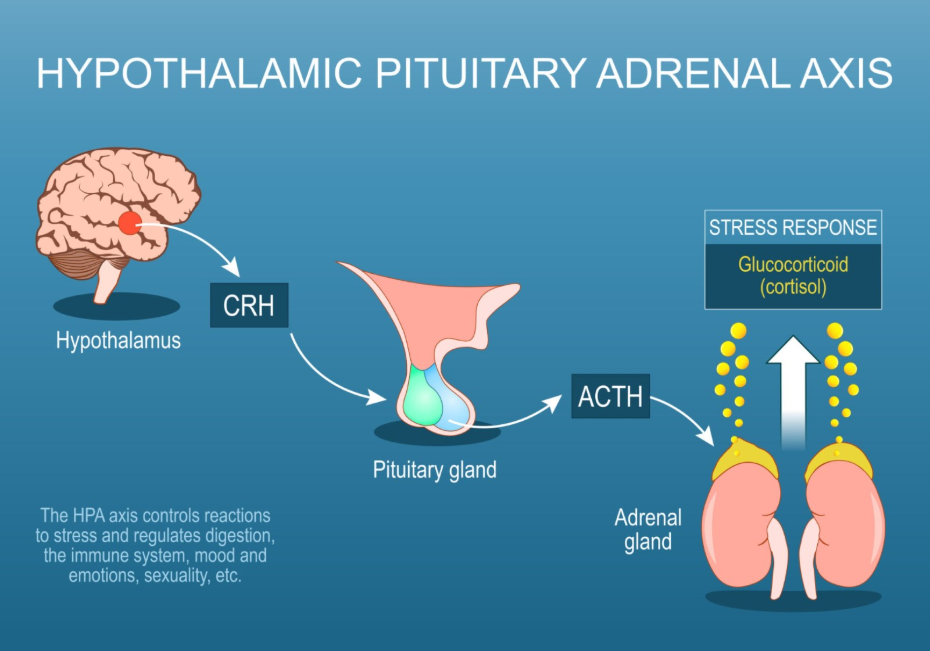
Genetic factors play a significant role in determining an individual’s susceptibility to anxiety, as certain hereditary traits can influence the baseline sensitivity of the body’s stress response system. In the United Kingdom, clinical research suggests that individuals with a close relative who has experienced anxiety are at a higher risk of developing similar symptoms themselves. The NHS states that while the exact cause of anxiety is not known, it is often linked to a combination of genetic and environmental factors.
This biological vulnerability often manifests through variations in neurotransmitter regulation, affecting chemicals like serotonin and dopamine that govern mood and worry. In the UK, this professional framework provides a stable foundation for the health journey by identifying that some aspects of anxiety are rooted in biology rather than personal choice. By utilised these integrated pathways, the healthcare system ensures that every person’s profile is supported through evidence-based understanding. This coordinated effort between primary care and specialists provides a secure environment for building emotional resilience.
Childhood Experiences and Early Environment
Early life experiences, particularly during childhood, are critical factors that can calibrate the brain’s “threat detection” system and influence how an individual reacts to stress in adulthood. In the United Kingdom, healthcare professionals recognise that growing up in an environment with significant instability, trauma, or overprotective parenting can increase the risk of developing persistent anxiety later in life. NICE clinical guidelines for common mental health problems indicate that a thorough assessment should consider early life history to understand current symptoms.
| Influence Category | Specific Risk Factor | Impact on Adult Wellbeing |
| Environmental | Growing up with economic instability or debt. | Heightened baseline worry regarding safety. |
| Social | Experiencing bullying or social exclusion. | Increased sensitivity to social judgment. |
| Parental | Observing high levels of anxiety in caregivers. | Learning specific avoidant coping mechanisms. |
| Biological | Early exposure to chronic physiological stress. | Altered development of the amygdala. |
| Educational | High pressure to perform or fear of failure. | Persistent perfectionism and performance anxiety. |
In the UK, these challenges are managed through integrated care plans that prioritise a person-centred approach. Identifying these early influences allows the multidisciplinary team to provide more targeted help that addresses the root cause of persistent unease. This professional oversight is essential for providing a safe and accurate understanding of the individual’s functional capability. By building a robust evidence base through clinical review, the healthcare system provides a secure environment for long-term health.
Physical Health and Biological Triggers
The presence of long-term physical health conditions can significantly increase the risk of anxiety, either as a direct biological result of the illness or due to the emotional strain of management. In the United Kingdom, GPs often observe that conditions affecting the heart, thyroid, or respiratory system can trigger physical sensations that mimic or worsen the symptoms of anxiety. The GOV.UK health pages provide clinical profiles indicating that the monitoring of physical and social challenges is a priority for ensuring integrated support.
Physical factors often identified in the UK include:
- Thyroid Dysfunction: An overactive thyroid can cause a racing heart and restlessness.
- Chronic Pain: Persistent discomfort keeps the nervous system in a state of high alert.
- Heart Conditions: The sensation of palpitations can trigger health-related worry.
- Respiratory Issues: Difficulty breathing can activate the body’s acute stress response.
- Nutritional Deficiencies: Low levels of B12 or iron can impact emotional regulation.
In the UK, the focus is on providing a stable foundation where the individual’s physical health is reviewed alongside their psychological state. Identifying these underlying drivers allows for more targeted help that addresses the actual cause of distress. By utilised these professional frameworks, the UK system provides a life-long framework of support that adapts to the person’s needs. This approach ensures that every possible health factor is considered before a management plan is finalised.
Environmental Stressors and Life Events
Environmental stressors, such as major life changes, workplace pressure, or financial difficulties, act as triggers that can turn a baseline vulnerability into a clinical anxiety disorder. In the United Kingdom, specialists recognise that the accumulation of “minor” stressors can be just as impactful as a single significant event, leading to an overtaxed nervous system.
Common life events that increase risk in the UK include:
- Workplace Stress: High workloads, lack of control, or job insecurity.
- Bereavement: Managing the emotional and practical changes following a loss.
- Financial Strain: Dealing with debt or the rising cost of living.
- Relationship Changes: Moving house, starting a family, or experiencing a breakup.
- Social Isolation: Lack of a supportive community or loneliness.
In the UK, identifying these indicators early is vital for preventing the emotional exhaustion that can accompany chronic stress. The integrated support framework encourages a strengths-based approach, focusing on what the individual needs to remain healthy. By utilised these professional frameworks, the healthcare system provides a secure environment for building professional and personal confidence. These strategies aim to work with the individual’s biology to restore a sense of calm.
Impact of Lifestyle and Substance Use
Lifestyle choices, including the consumption of stimulants like caffeine or the use of substances like alcohol, can significantly increase the risk of anxiety by directly influencing brain chemistry and the nervous system. In the United Kingdom, healthcare professionals focus on how these factors can create a cycle where substances are used to manage anxiety but ultimately make the symptoms worse.
Excessive caffeine intake can mimic the physical symptoms of a panic attack, such as a racing heart and trembling, which then triggers psychological worry. Similarly, while alcohol may provide temporary relaxation, its withdrawal effect on the brain often leads to heightened anxiety the following day. In the UK, the focus is on a person-centred approach where the biological reality of these habits is respected. Identifying these indicators early is vital for preventing the emotional withdrawal that often accompanies chronic health challenges. This professional oversight is essential for providing a safe and accurate understanding of the nation’s health.
Accessing Integrated NHS Support Pathways
The pathway for managing the risk factors of anxiety in the United Kingdom is a coordinated process involving GPs and mental health specialists through services like NHS Talking Therapies. This journey ensures that every individual receives a thorough review of their history and current environment to build a bespoke management plan.
The UK integrated support pathway involves:
- Initial GP Consultation: Discussing physical and psychological history to identify primary risk factors.
- Physical Screening: Ruling out non-psychological causes such as thyroid or heart issues.
- Talking Therapies: Accessing evidence-based support such as Cognitive Behavioural Therapy.
- Integrated Care Planning: Co-ordinating support between the health service, family, and workplace.
- Regular Monitoring: Scheduled reviews to ensure that management strategies remain effective and safe.
In the UK, the focus is on providing a stable foundation for the individual to move forward with self-understanding. The NHS ensures that adults and children have a consistent point of contact for their health needs while they navigate their lives. This integrated approach ensures that the person’s unique way of functioning is respected within their home and work environment. By utilised these integrated pathways, the healthcare system provides a secure environment for building long-term mental wellbeing.
Conclusion
Anxiety is influenced by a combination of genetic, environmental, and biological risk factors within the United Kingdom’s healthcare framework. The NHS and professional bodies provide a robust system of multidisciplinary assessments and evidence-based therapies to help individuals identify their specific vulnerabilities. By focusing on both the biological roots of the stress response and the need for supportive environments, the system promotes the highest possible level of independence. Following a coordinated management plan with the help of medical and psychological experts ensures that unique adult and paediatric needs are addressed holistically.
Can I inherit anxiety from my parents?
You can inherit a genetic predisposition to a more sensitive stress response, but environmental factors also play a large role.
Why does caffeine make my anxiety worse?
Caffeine is a stimulant that increases your heart rate and adrenaline, mimicking the body’s natural “fight or flight” response.
Can a physical illness cause anxiety?
Yes; conditions like an overactive thyroid or heart issues can cause physical sensations that trigger or worsen anxiety.
Does a difficult childhood mean I will have anxiety?
It increases the risk, but many people in the UK build resilience through appropriate management and support pathways.
Can financial problems be a risk factor?
Yes; chronic stress from debt or living costs is a recognised environmental trigger for persistent anxiety in the UK.
How does alcohol affect anxiety?
Alcohol can temporarily numb feelings, but as it leaves the body, the resulting chemical shift often causes “rebound” anxiety.
Who should I talk to first if I am worried?
The first point of contact in the United Kingdom is usually your GP to discuss your health and explore support options.
Authority Snapshot (E-E-A-T)
This article provides medically factual health education regarding the risk factors for anxiety, strictly aligned with NHS and NICE clinical guidelines. The content is developed by a professional medical writing team and reviewed by Dr. Rebecca Fernandez, a UK-trained physician with experience in multiple clinical specialties including cardiology, emergency medicine, and psychiatry. All information follows current UK public health protocols to ensure clinical accuracy and patient safety.



