
Inflammatory Bowel Disease is a term used to describe a group of chronic conditions characterised by long term inflammation of the gastrointestinal tract. Unlike functional disorders such as IBS, IBD involves physical damage and visible inflammation in the gut lining. The two main types of IBD are Crohn disease and Ulcerative Colitis. While the exact cause remains a subject of intense clinical research, it is widely understood to be an autoimmune response where the body immune system mistakenly attacks healthy tissue in the digestive tract. In the United Kingdom, IBD affects thousands of people and requires long term medical management to control inflammation and prevent complications.
What We Will Discuss in This Article
- The clinical definition of Inflammatory Bowel Disease
- Differences between Crohn disease and Ulcerative Colitis
- The role of the immune system and genetics in causing IBD
- Environmental factors and the gut microbiome
- Common symptoms and how they differ from functional gut issues
- The diagnostic process used by specialists in the UK
- When to seek urgent medical attention for IBD symptoms
Defining the main types of IBD
Inflammatory Bowel Disease is primarily categorised into two conditions based on where the inflammation occurs and how deeply it affects the gut wall.
Crohn disease
Crohn disease can affect any part of the digestive tract, from the mouth to the anus. It most commonly impacts the end of the small intestine and the beginning of the colon. The inflammation in Crohn disease can be patchy, with healthy sections of the gut between diseased areas, and it can penetrate through the entire thickness of the bowel wall.
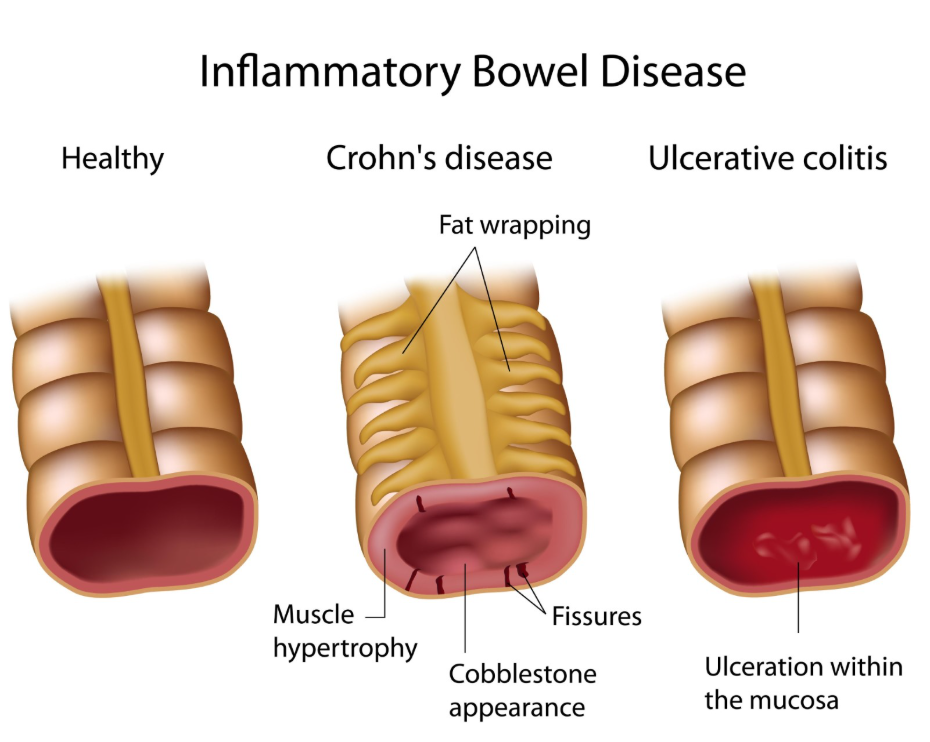
Ulcerative Colitis
In contrast, Ulcerative Colitis is limited to the colon and the rectum. The inflammation is continuous, starting at the rectum and spreading upwards. Unlike Crohn disease, the inflammation in Ulcerative Colitis only affects the innermost lining of the colon.
What causes IBD?
The cause of IBD is multifactorial, meaning it results from a complex interaction between genetics, the immune system, and environmental triggers.
The immune system response
The leading theory is that IBD is an autoimmune condition. In a healthy person, the immune system attacks harmful bacteria or viruses. In someone with IBD, the immune system overreacts to harmless triggers, such as food or beneficial gut bacteria, leading to chronic inflammation. This persistent immune response eventually causes the ulcers and tissue damage seen in the gut.
Genetics and family history
Genetics play a significant role. You are more likely to develop IBD if you have a close relative with the condition. However, many people with IBD have no family history, suggesting that genes alone are not the sole cause but rather create a susceptibility to the disease.
Environmental factors and the microbiome
Modern lifestyle factors are also linked to the development of IBD. These include:
- Diet: Diets high in processed foods and fats may alter gut bacteria.
- Smoking: Smoking significantly increases the risk of Crohn disease and makes symptoms worse.
- Gut Microbiome: An imbalance in the trillions of bacteria living in the gut (dysbiosis) is frequently observed in patients.
- Stress: While stress does not cause IBD, it can trigger flares in people who already have the condition.
Common symptoms of IBD
Because IBD involves physical inflammation, the symptoms are often more severe than those found in functional disorders.
Typical symptoms include:
- Persistent diarrhoea, often containing blood or mucus
- Severe abdominal pain and cramping
- Extreme fatigue and a general feeling of being unwell
- Unintended and unexplained weight loss
- Fever and night sweats during flares
- Loss of appetite
Comparing Crohn disease and Ulcerative Colitis
| Feature | Crohn disease | Ulcerative Colitis |
| Location | Anywhere from mouth to anus | Limited to colon and rectum |
| Inflammation Pattern | Patchy (skip lesions) | Continuous |
| Depth of Damage | Can go through the whole wall | Limited to the inner lining |
| Smoking Impact | Worsens the condition | Often found in non smokers |
| Common Complication | Fistulas and strictures | Severe bleeding |
Emergency Guidance
IBD can lead to serious complications such as bowel obstruction or severe bleeding that require immediate intervention.
If you experience severe, sudden, or worsening symptoms, call 999 immediately.
Seek an urgent appointment with your GP or specialist if you notice:
- High fever or chills accompanied by gut pain
- Significant rectal bleeding or passing large blood clots
- Sudden, severe abdominal pain that makes you feel faint
- Inability to pass gas or have a bowel movement
- Rapid, unexplained weight loss over a short period
To Summarise
Inflammatory Bowel Disease is a chronic condition involving significant physical inflammation of the digestive tract, primarily manifesting as Crohn disease or Ulcerative Colitis. While the exact cause is not fully understood, it involves a combination of genetic predisposition, an overactive immune system, and environmental triggers. Recognising the difference between functional issues like IBS and inflammatory issues like IBD is crucial for receiving the correct treatment. Early diagnosis and a personalised management plan are essential for controlling inflammation and maintaining a high quality of life.
Is IBD the same as IBS?
No. IBD involves physical inflammation and damage to the gut, whereas IBS is a functional disorder where the gut looks normal but does not move correctly.
Can IBD be cured with diet?
Diet is essential for managing symptoms, but IBD is a chronic condition that usually requires medical treatment to control the underlying inflammation.
Can children develop IBD?
Yes, IBD can be diagnosed at any age, though it is most commonly diagnosed in teenagers and young adults.
Does stress cause IBD?
No, stress does not cause IBD, but it is a major factor in triggering flares and worsening existing symptoms.
Will I need surgery for IBD?
Some people with IBD require surgery if medication does not control the inflammation or if complications like obstructions occur.
Is blood in the stool always IBD?
Not necessarily, but it is a major red flag that must be investigated by a doctor to rule out IBD, infections, or other issues.
Can I live a normal life with IBD?
Yes. With the right medical management and lifestyle adjustments, many people with IBD live full and active lives.
Authority Snapshot
This article was reviewed by Dr. Rebecca Fernandez, a UK trained physician with an MBBS and extensive experience in internal medicine, general surgery, and emergency medicine. Dr. Fernandez specialises in the integration of evidence-based treatments and digital health solutions to manage chronic conditions. Her background in multiple clinical disciplines allows her to provide a comprehensive view of the physical and psychological impacts of Inflammatory Bowel Disease.
