
Speech developmental delay occurs when a child takes significantly longer than expected to produce the sounds required for clear verbal communication relative to their peers. In the United Kingdom, these challenges are monitored by health visitors and GPs to ensure that children receive appropriate support during their early years. Identifying communication lags early allows for a coordinated clinical investigation and the implementation of integrated multidisciplinary therapy and professional speech and language support.
What We’ll Discuss in This Article
- The clinical distinction between speech delay and language delay.
- Identifying early communication red flags and verbal milestones.
- The relationship between speech delay and other developmental areas.
- How the NHS diagnostic pathway for communication challenges is structured.
- Integrated support systems including speech and language therapy.
- The role of early intervention in supporting long-term social inclusion.
Defining Speech Delay and Communication Growth
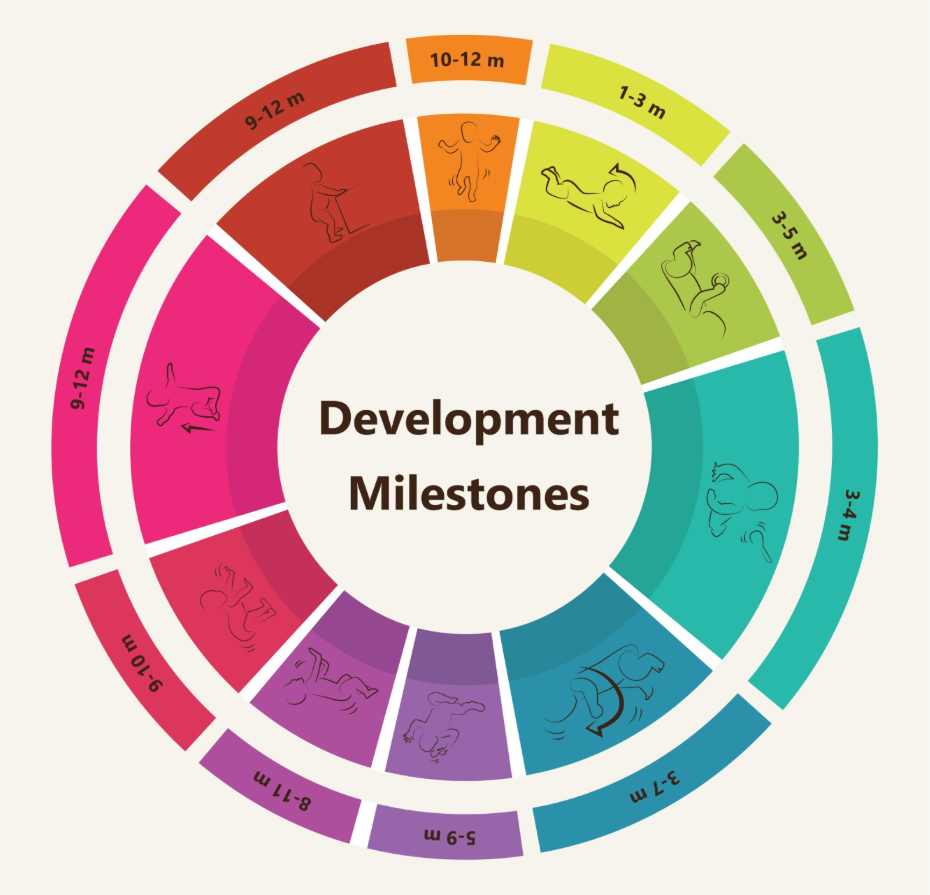
Speech developmental delay specifically describes a lag in the physical production of sounds, whereas a language delay involves difficulty understanding or using words to share ideas. In the United Kingdom, these two areas are assessed together to build a complete picture of a child’s communication progress. The NHS states that a developmental delay is usually suspected if a child is not reaching milestones like sitting up, walking or talking by a certain age.
Speech requires the complex coordination of the lips, tongue, palate, and vocal folds to create distinct phonetic sounds. A child with a speech delay may understand everything said to them but struggle to form the words themselves. In the UK, health visitors use routine reviews to monitor these vocal milestones, documenting observations in the Personal Child Health Record. Understanding speech growth is vital because it forms the foundation for social interaction and later literacy skills. This structured approach ensures that any vocal lags are identified while the child’s brain is at its most adaptable. By focusing on these early verbal targets, the healthcare system provides a foundation for more complex social engagement later in life.
Identifying Speech Red Flags and Milestones
Identifying speech developmental delay involves recognising specific indicators where a child fails to produce typical sounds, babbles infrequently, or has limited vocabulary for their age. In the United Kingdom, these signs are monitored during routine developmental check-ups to ensure children can access support as soon as a need is identified. NICE clinical guidelines for developmental monitoring indicate that persistent lags in multiple areas of development should prompt a referral for a specialist paediatric assessment.
| Age | Typical Speech Milestone | UK Clinical Red Flag |
| 6 Months | Makes sounds and babbles to get attention. | Does not make vowel sounds or respond to noise. |
| 12 Months | Uses simple words like “mama” or “dada.” | Does not use any words or simple gestures. |
| 18 Months | Says several single words independently. | No clear words used to communicate needs. |
| 2 Years | Joins two words together like “more juice.” | Cannot produce at least 25 to 50 words. |
In the UK, other speech signs such as a lack of imitation of sounds or an inability to follow simple verbal requests are considered significant. These indicators suggest that the motor pathways for vocalisation and the auditory processing pathways may not be maturing as expected. If a parent or professional identifies these signs, it triggers a referral to a speech and language therapist or a paediatrician. This clinical review looks at the child’s full history to identify potential causes, such as hearing issues or neurological factors. By using these objective milestones, the NHS provides a consistent safety net for all families.
Speech Delay and Global Developmental Delay
Speech delay is frequently a component of global developmental delay, a term used in the United Kingdom when a child is significantly behind in two or more areas of development. When a child experiences lags in both verbal communication and physical or cognitive skills, it often suggests a more complex underlying neurological or biological factor. The GOV.UK health pages provide clinical profiles indicating that the early identification of speech and language delay is a priority for ensuring integrated educational and social support.
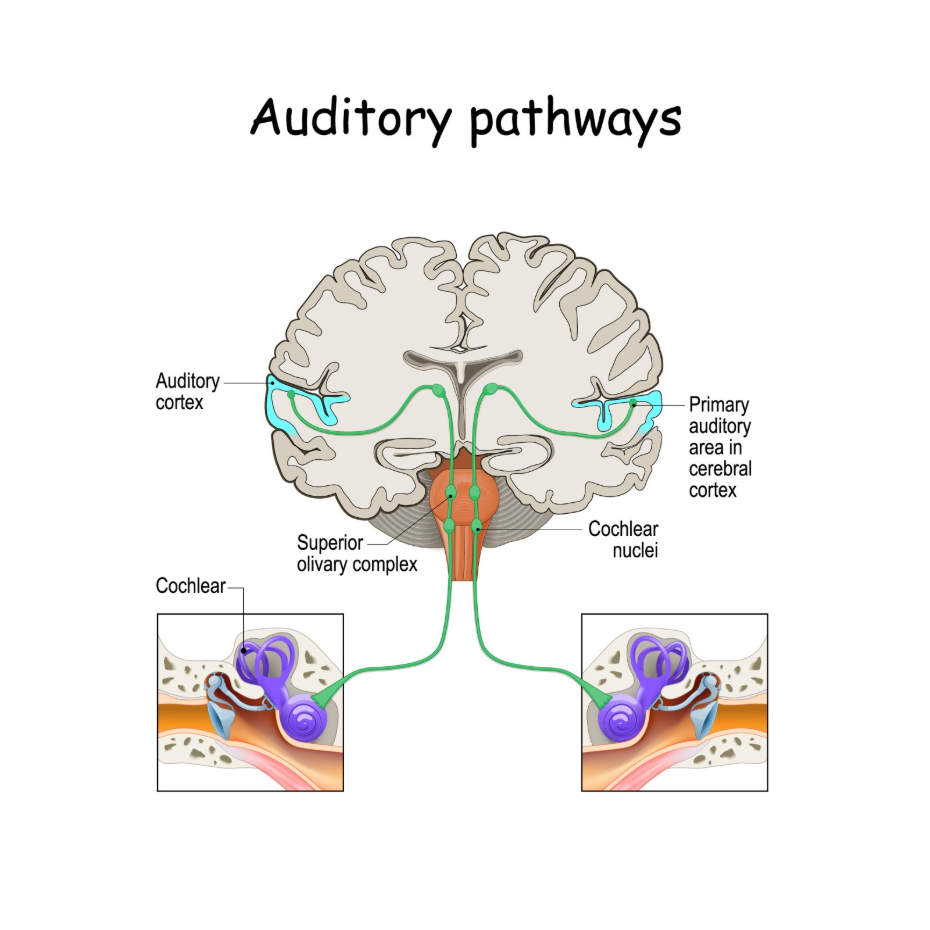
In the United Kingdom, children under five who exhibit global lags are often referred to Child Development Centres for a comprehensive multidisciplinary assessment. This ensures that the clinical team can investigate the full scope of the child’s needs rather than focusing on a single area. For example, a child with both speech and motor delays may require support from a paediatrician, a physiotherapist, and a speech and language therapist. This integrated view ensures that the management plan is coordinated and that the child receives the right intensity of support. Understanding the link between speech and other developmental areas allows the NHS to tailor interventions, ensuring that children with multiple needs receive joined-up care that addresses their holistic development.
The NHS Diagnostic Pathway for Communication Challenges
The diagnostic pathway for speech developmental delay in the United Kingdom is a coordinated process that involves medical examinations, sensory screenings, and therapeutic assessments to find the underlying cause. This integrated journey ensures that the child’s communication potential and hearing health are assessed by various clinical and therapeutic experts.
The UK integrated diagnostic pathway involves:
- Initial Screening: Health visitors identifying concerns during routine reviews in the community.
- Paediatric Assessment: A specialist doctor conducting a full medical and neurological examination.
- Audiology Screening: Hearing tests to rule out hearing loss as a primary cause of speech delay.
- Specialist Therapy Reviews: Detailed assessments by speech and language therapists (SLT).
- Genetic and Metabolic Testing: Investigating potential biological causes if other delays are present.
In the UK, this process often moves toward the creation of an Education, Health and Care plan if the delay is found to be persistent. The goal is to determine if the speech lag is an isolated issue, such as a physical coordination problem with oral muscles, or part of a broader condition. Throughout this period, the focus remains on providing active support through early years settings. The NHS ensures that families are guided through these investigations by a lead professional, providing clarity and support during the diagnostic period. This professional framework is designed to ensure that the management plan is tailored to the child’s unique requirements.
Integrated Support: Speech and Language Therapy
Integrated support for speech developmental delay in the United Kingdom relies on a multidisciplinary approach where speech therapists and other professionals provide targeted interventions to improve a child’s communication and functional skills. These supports are designed to help the child overcome verbal barriers and achieve their maximum potential for social interaction.
The UK integrated support framework includes:
- Speech and Language Therapy: Focusing on sound production, vocabulary building, and sentence structure.
- Audiology Services: Providing hearing aids or grommet surgery if hearing loss is contributing to the delay.
- Educational Support: Providing extra help within nurseries to encourage verbal interaction and play.
- Alternative Communication: Using symbol boards or signs to reduce frustration while speech develops.
In the United Kingdom, these specialists work together to ensure that the child’s needs are addressed across all environments. For example, a speech therapist might work on specific phonetic sounds, while an early years practitioner encourages the use of those sounds during nursery activities. This joined-up care ensures that the communication support is consistent and supportive of the child’s overall development. The NHS also coordinates with local authorities to secure any necessary school-based assistance or long-term care plans. By utilising these integrated pathways, the healthcare system provides a secure and evidence-based framework for managing communication challenges, helping every child achieve the best possible quality of life.
Conclusion
Speech developmental delay involves a lag in achieving vocal milestones like babbling or using words, which in the UK is monitored through the NHS health visitor and GP system. Identifying red flags such as limited vocabulary or difficulty following simple instructions allows for early referral to specialist speech and language therapists. The diagnostic pathway integrates hearing tests and medical reviews with active communication support to help the child reach their full potential. Following a coordinated management plan with a multidisciplinary team ensures that the child’s unique communication needs are addressed holistically. The UK healthcare system provides a life-long framework of support for children and their families.
Does a speech delay mean my child has a learning disability?
Not necessarily; speech delay specifically affects sound production, whereas a learning disability is a broader permanent intellectual impairment.
What is the difference between speech delay and language delay?
Speech delay affects the production of sounds, while language delay involves difficulty understanding or using words to communicate.
Can a child outgrow a speech developmental delay?
Many children in the UK who receive early intervention and speech therapy catch up with their peers as they grow and learn.
Why does my child need a hearing test for a speech delay?
Hearing problems are a common cause of speech delay as children need to hear sounds clearly to copy them, so the NHS rules this out first.
What is “glue ear” and can it cause speech delay?
Glue ear is a build-up of fluid in the middle ear that can temporarily dampen hearing and lead to a vocal lag.
Who is the best person to talk to if I am worried about my child’s speech?
In the United Kingdom, your health visitor or GP is the first point of contact for a developmental check and referral.
What happens at a Child Development Centre?
It is a specialist NHS hub where various therapists and doctors work together to assess and support children with additional needs.
Authority Snapshot (E-E-A-T)
This article provides medically factual health education regarding speech developmental delay, strictly aligned with NHS and NICE clinical guidelines. The content is developed by a professional medical writing team and reviewed by Dr. Stefan Petrov, a UK-trained physician with experience in general medicine, surgery, and emergency care. All information follows current UK public health protocols to ensure clinical accuracy and patient safety.
