
While most cases of diarrhoea are short lived and can be safely managed at home with rest and hydration, there are specific clinical indicators that signal a need for urgent medical intervention. Diarrhoea becomes a significant concern when the body loses fluids and essential salts faster than they can be replaced, or when the loose stools are accompanied by symptoms that suggest a more serious underlying issue. Recognising these red flag signs early is essential for ensuring patient safety and receiving the appropriate level of clinical care.
What We’ll Discuss in This Article
- The primary indicators that distinguish a mild illness from a medical emergency.
- Recognising the symptoms of severe dehydration in adults and children.
- The clinical significance of blood in the stool or black, tarry motions.
- Identifying neurological or systemic signs that require immediate assessment.
- How persistent vomiting affects the ability to manage diarrhoea safely at home.
- Guidance on when to use emergency services versus routine medical consultations.
Identifying Signs of Severe Dehydration
Diarrhoea becomes an emergency when it leads to severe dehydration, a state where the body lacks sufficient fluid to maintain vital organ function. The NHS highlights that you should seek immediate medical help if you have signs of severe dehydration such as feeling very dizzy, confused, or if you have not passed urine for a long period. In infants and young children, severe dehydration can progress rapidly and may manifest as a sunken soft spot on the head, few or no tears when crying, or extreme lethargy. These symptoms indicate that the body’s fluid balance is critically low and requires urgent replenishment, often through intravenous fluids in a clinical setting.
Red Flag Symptoms in the Stool
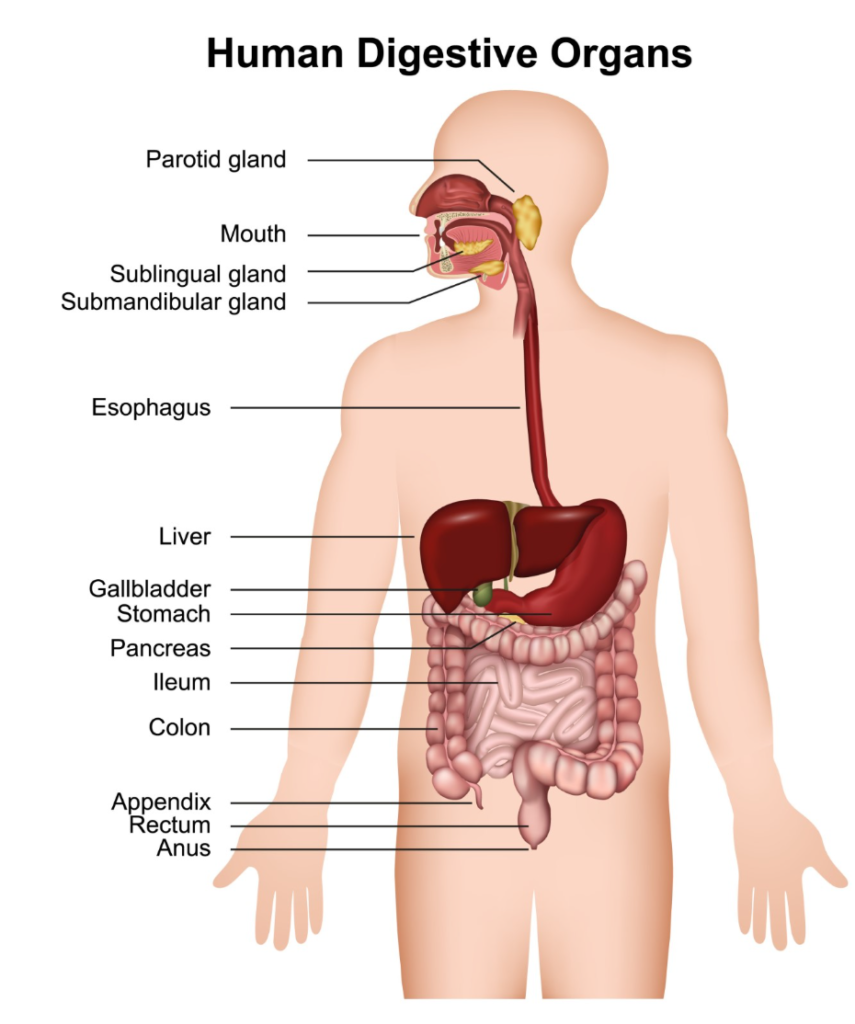
The appearance and consistency of the stool can provide critical information about whether an episode of diarrhoea requires emergency evaluation. Passing stools that contain large amounts of bright red blood or waste that appears black, sticky, and tarry is a serious clinical sign that needs immediate investigation. These changes can indicate internal bleeding or severe inflammation within the digestive tract. While minor spotting may sometimes be associated with haemorrhoids or irritation, significant or persistent bleeding during an episode of diarrhoea is a red flag that should be assessed by emergency clinicians to determine the source and ensure the patient is stable.
Severe Abdominal Pain and Systemic Symptoms
Diarrhoea is a medical emergency if it is accompanied by severe, continuous, or worsening abdominal pain that does not resolve after a bowel movement. While mild cramping is expected, intense pain can be a sign of a bowel obstruction, perforation, or severe infection. Furthermore, systemic signs such as a very high fever, persistent shivering, or a rapid heartbeat suggest that the body is struggling with a significant inflammatory response or sepsis. National Institute for Health and Care Excellence guidelines state that patients with diarrhoea and signs of systemic infection or severe abdominal tenderness require urgent clinical prioritisation.
The Impact of Persistent Vomiting
An episode of diarrhoea becomes an emergency when persistent vomiting prevents the individual from taking in any oral fluids. Rehydration is the cornerstone of managing loose stools, and if the stomach cannot retain water or rehydration salts, the risk of rapid clinical decline increases significantly. This is particularly dangerous for vulnerable groups, such as the elderly or those with chronic health conditions like kidney disease. If an individual is unable to keep down even small sips of water for several hours while still experiencing diarrhoea, they must be assessed urgently to prevent the complications of severe dehydration and electrolyte imbalance.
Neurological and Mental State Changes
Changes in mental state or neurological function during an episode of diarrhoea are definitive indicators of a medical emergency. If a person becomes increasingly drowsy, difficult to rouse, or displays signs of confusion and disorientation, it may be a result of severe dehydration or a systemic infection affecting the brain. In children, being unusually floppy or unresponsive is a critical sign that requires an immediate call for emergency services. These symptoms suggest that the body’s internal environment has become unstable, requiring rapid diagnostic testing and intensive support.
Emergency vs Routine Care
| Feature | Routine/Pharmacist Care | Emergency/999 Care |
| Hydration | Thirsty but passing urine | No urine for 12+ hours |
| Mental State | Alert and oriented | Confused, dizzy, or fainting |
| Pain | Mild cramping with motions | Severe, constant abdominal pain |
| Stool Appearance | Watery or loose | Large amounts of blood or black stools |
| Vomiting | Occasional but can drink | Unable to keep any fluids down |
When to Seek Urgent Medical Advice
You should contact emergency services or attend an accident and emergency department if you experience any of the severe symptoms described, such as fainting, confusion, or significant bleeding. For symptoms that are concerning but do not appear life threatening, such as diarrhoea lasting more than seven days or signs of mild dehydration that are not improving, contacting NHS 111 or your GP is the appropriate first step. According to UK health standards, immediate intervention is necessary whenever there is a risk of circulatory collapse due to fluid loss or when symptoms suggest a surgical emergency.
Conclusion
Diarrhoea becomes an emergency when it causes severe dehydration, involves significant bleeding, or is accompanied by intense pain and mental confusion. Most cases can be managed with oral rehydration, but the inability to keep down fluids is a critical turning point. Monitoring for these red flag symptoms ensures that life saving care is accessed when needed. If you experience severe, sudden, or worsening symptoms, call 999 immediately.
Is it an emergency if a child has diarrhoea but is still playing?
If the child is active, alert, and drinking fluids, it is usually not an emergency, but you should continue to monitor their urine output and general mood.
Should I go to A&E for blood in my diarrhoea?
Significant amounts of blood or black, tarry stools require urgent assessment, whereas very small streaks of blood might be discussed with a GP if you are otherwise well.
How many hours without urine is a concern?
In adults, not passing urine for 12 hours is a significant sign of dehydration; in children, this timeframe is much shorter and should be assessed sooner.
Can diarrhoea cause a rapid heartbeat?
Yes, a fast heart rate can be a sign that your body is dehydrated or that you have a high fever, both of which require medical review.
Is feeling very sleepy during diarrhoea a bad sign?
Being unusually drowsy or difficult to wake is a serious sign of severe dehydration or infection and requires immediate medical attention.
What if I have diarrhoea and a very high fever?
A high fever combined with diarrhoea can indicate a bacterial infection or systemic illness that needs to be assessed by a healthcare professional.
Should I call 999 for vomiting and diarrhoea together?
It becomes an emergency if the vomiting is so frequent that you cannot stay hydrated, leading to dizziness, confusion, or a lack of urine.
Authority Snapshot (E-E-A-T)
This article provides educational information on identifying emergency symptoms of diarrhoea, strictly aligned with NHS and NICE clinical guidelines. The content is developed by a medical content team and reviewed by Dr. Stefan Petrov, a UK-trained physician, to ensure accuracy and patient safety. The information is designed to help the general public recognise critical red flags and seek appropriate levels of care.
