




An endoscopy, also known in the United Kingdom as a gastroscopy, is a clinical procedure used to examine the upper digestive tract. While many digestive issues, like occasional heartburn or mild indigestion, can be managed through lifestyle changes and over the counter medications, certain symptoms require a more detailed investigation. An endoscopy allows healthcare professionals to visually inspect the lining of the food pipe, stomach, and the first part of the small intestine to identify inflammation, sores, or other tissue changes. In the UK, the decision to perform an endoscopy is guided by specific clinical criteria, focusing on the persistence of symptoms, the age of the patient, and the presence of “red-flag” indicators. Understanding when this procedure is necessary helps patients navigate the diagnostic process and ensures that serious underlying conditions are identified and treated promptly according to national health standards.
What We’ll Discuss in This Article
- The primary purpose of an endoscopy in digestive health
- Identifying “red-flag” symptoms that require urgent investigation
- NICE guidelines for endoscopy based on age and symptom duration
- The role of endoscopy in monitoring chronic conditions like GORD
- What clinicians look for during a gastroscopy procedure
- How the results of an endoscopy guide future treatment plans
An endoscopy is typically required when symptoms are persistent, do not respond to medication, or involve urgent warning signs like difficulty swallowing
In the UK, healthcare professionals do not usually recommend an endoscopy for every instance of acid reflux, but it becomes a necessary diagnostic tool when standard treatments fail to provide relief. A gastroscopy is a procedure where an endoscope is used to look inside your body to identify the cause of ongoing digestive distress. This procedure is vital for distinguishing between functional issues and physical damage, such as erosive oesophagitis or gastric sores. By providing a direct view of the internal mucosa, clinicians can determine the severity of a condition and exclude more serious pathologies that cannot be detected through physical examination or blood tests alone.
Identifying red-flag symptoms that necessitate urgent endoscopy
Specific symptoms, often called “red flags,” serve as indicators that a digestive problem may be serious and require immediate visual investigation.
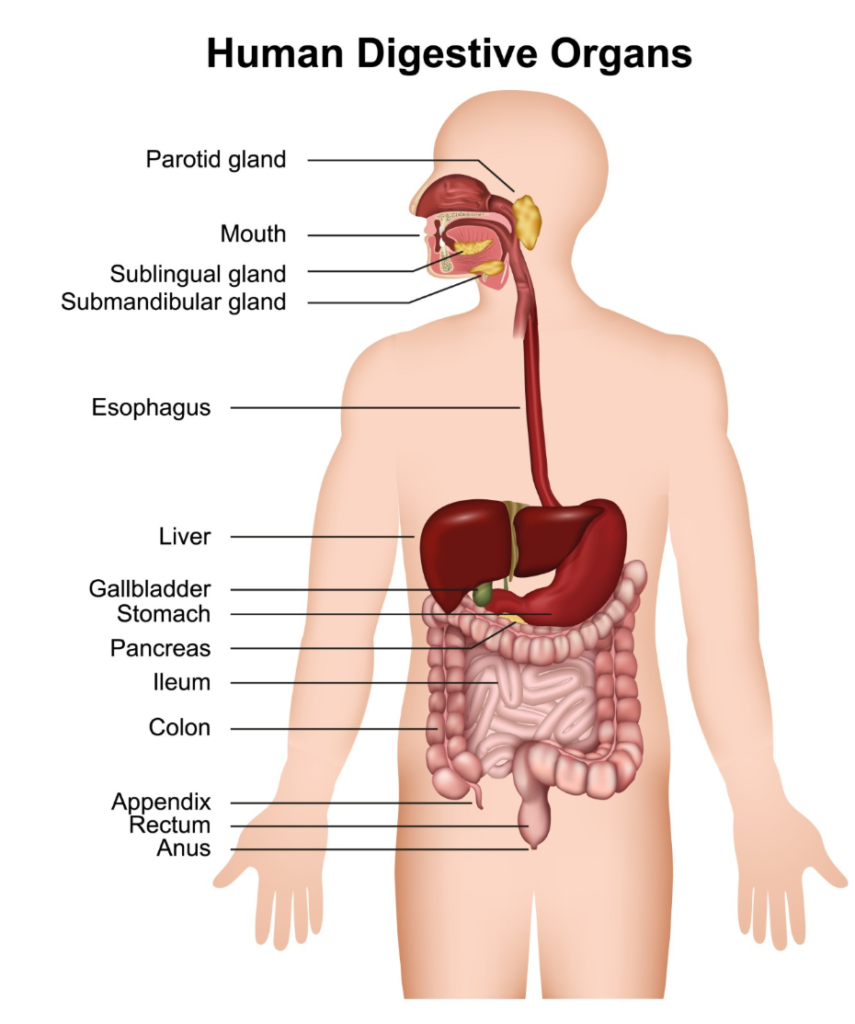
According to the National Institute for Health and Care Excellence, patients with persistent vomiting or unexplained weight loss should be referred for an endoscopy. Other critical signs include difficulty swallowing (dysphagia), which may suggest a narrowing of the food pipe, or signs of internal bleeding such as black, tarry stools or vomiting blood. In these cases, the procedure is prioritised to rule out significant complications or malignant changes within the upper gastrointestinal tract.
Age and persistent symptoms as clinical triggers
The age of a patient and the duration of their symptoms play a significant role in determining when an endoscopy is clinically indicated within the NHS. For individuals over a certain age who develop new or worsening indigestion that does not resolve, guidelines often suggest a lower threshold for specialist referral. Stomach ulcers are open sores that develop on the lining of the stomach, and their risk increases with age and the use of certain medications. If symptoms such as gnawing abdominal pain or persistent nausea continue for several weeks despite taking acid-suppressing medication, a gastroscopy is used to confirm the presence of an ulcer and to ensure it is healing correctly.
Monitoring chronic conditions and Barrett’s oesophagus
For patients with long-term gastro-oesophageal reflux disease (GORD), an endoscopy may be needed to monitor the health of the oesophageal lining over time. Chronic acid exposure can lead to a condition called Barrett’s oesophagus, where the cells lining the food pipe change and become more like those in the intestine. Regular endoscopic surveillance is often recommended for these patients to check for early signs of further cellular changes. This proactive approach allows clinicians to manage the risks associated with chronic reflux and ensures that any potentially serious developments are identified at a stage where they can be effectively treated through medical or surgical means.
Conclusion
An endoscopy is a vital diagnostic tool in the UK for investigating persistent reflux, stomach pain, or urgent red-flag symptoms like difficulty swallowing. While mild digestive issues are common, the procedure provides the definitive visual evidence needed to identify ulcers, inflammation, or more serious tissue changes. Following clinical guidelines ensures that this investigation is targeted toward those who will benefit most from a direct examination of the digestive tract. If you experience severe, sudden, or worsening symptoms, call 999 immediately.
Is an endoscopy the same as a gastroscopy?
Yes, in the context of stomach and reflux problems, both terms refer to the same procedure used to look at the upper digestive tract.
Will I be awake during the procedure?
Most patients are offered a choice between a local anaesthetic throat spray to numb the area or a mild sedative to help them relax.
How long does a gastroscopy take?
The actual examination of the stomach and food pipe usually takes less than 15 minutes to complete.
Can an endoscopy find the cause of my bloating?
While it can identify inflammation or ulcers, bloating is often functional and may require other types of assessment if the endoscopy is normal.
Do I need an endoscopy if my blood tests are normal?
Yes, as blood tests cannot see physical sores or tissue changes in the stomach lining that an endoscopy can detect.
What happens if the doctor finds an ulcer?
The doctor may take a small tissue sample (biopsy) and will provide a treatment plan, usually involving acid suppressing medication.
Are there risks associated with having an endoscopy?
It is a very safe procedure, but like all medical investigations, there are minor risks such as a sore throat or temporary bloating.
Authority Snapshot (E-E-A-T Block)
This article was developed by the Medical Content Team to provide clear, UK-focused education on the clinical indications for digestive investigations. The content has been reviewed by Dr. Stefan Petrov, a UK-trained physician with experience in general medicine and emergency care, to ensure complete alignment with NHS and NICE clinical guidance. Our purpose is to help the public understand medical pathways through factual and restrained reporting.



