




Acid reflux and heartburn are common digestive issues that many people in the United Kingdom experience at some point in their lives. While occasional symptoms can often be managed with over the counter treatments and lifestyle adjustments, recurrent or persistent episodes may indicate an underlying condition known as gastro-oesophageal reflux disease (GORD). It is important to recognise when these symptoms transition from a minor inconvenience to a clinical concern that requires professional medical investigation. Seeking advice from a healthcare professional ensures that potential complications are identified early and that a structured management plan is implemented. UK clinical guidelines provide clear indicators for when a patient should consult their GP, particularly if symptoms do not respond to basic interventions or if specific red flag signs develop.
What We’ll Discuss in This Article
- Criteria for identifying recurrent or persistent reflux
- Common red flag symptoms that require urgent medical review
- The impact of symptoms on daily life and sleep quality
- When over the counter medications are no longer sufficient
- Diagnostic steps your doctor may take to investigate GORD
- Differentiating between digestive issues and other serious health concerns
You should see a doctor if your reflux symptoms occur frequently or if they do not improve with basic treatments
Occasional heartburn is typically manageable, but when symptoms become a regular occurrence, they require a clinical assessment to prevent long term damage to the food pipe. You should see a GP if you have heartburn most days for three weeks or more to ensure there is no significant underlying issue. Chronic exposure to stomach acid can lead to inflammation and narrowing of the oesophagus, making early intervention vital. If you find that you are relying on antacids several times a week, or if your symptoms are significantly affecting your ability to eat or sleep comfortably, a professional medical review is the next necessary step in your care.
Identifying red flag symptoms that require an urgent appointment
Certain symptoms associated with acid reflux are considered more serious and serve as indicators that the condition may have progressed or involves complications.
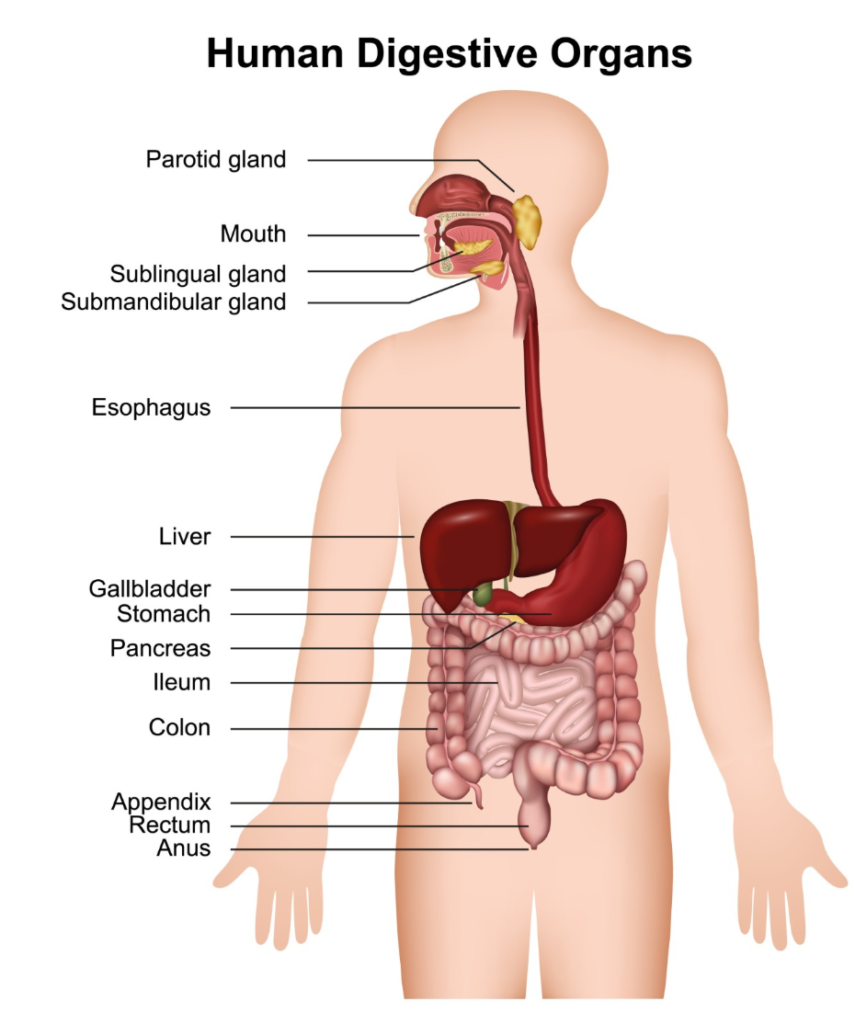
According to the National Institute for Health and Care Excellence, clinicians should investigate persistent symptoms, especially if they involve difficulty swallowing. You should seek a medical appointment if you experience an unexplained weight loss, a persistent feeling of food sticking in your throat, or if you frequently feel sick or are being sick. These signs can sometimes indicate more severe inflammation or changes in the tissue of the oesophagus that must be ruled out by a healthcare professional through appropriate diagnostic testing.
When lifestyle changes and over the counter medicines fail
Many people successfully manage mild reflux by losing weight, stopping smoking, or changing their diet, but these measures are not always enough. If you have followed standard advice for several weeks and your symptoms remain unchanged or continue to worsen, it is time to consult a doctor. Relying indefinitely on over the counter remedies can mask symptoms of a more persistent condition that may require prescription-strength acid suppressants. Treatment for GORD often involves taking medicines to reduce the amount of acid the stomach produces, which can be managed more effectively under clinical supervision. A GP can provide a structured treatment pathway that monitors your progress and adjusts your medication as needed.
Differentiating digestive pain from other serious conditions
It is essential to ensure that the discomfort you are feeling is indeed related to acid reflux and not a different, potentially more serious, medical issue. Because the pain of severe heartburn occurs in the chest area, it can sometimes be confused with cardiac related pain. If your chest pain is triggered by physical exertion or is accompanied by shortness of breath and sweating, it requires immediate assessment. NICE guidance highlights the importance of ruling out cardiac causes in patients presenting with chest pain. While reflux is often worse after eating or when lying down, a doctor can help verify the source of the pain to ensure you receive the correct treatment for your specific health needs.
Conclusion
Recurrent acid reflux and heartburn should be reviewed by a doctor if they occur frequently over several weeks or do not respond to lifestyle changes. Identifying red flag symptoms like difficulty swallowing or unexplained weight loss is a clinical priority for preventing long-term complications. Professional medical advice ensures that you receive the most appropriate treatment for your symptoms and helps maintain your overall digestive health. If you experience severe, sudden, or worsening symptoms, call 999 immediately.
How often is considered recurrent reflux?
If you experience heartburn or acid reflux more than twice a week for several weeks, it is generally considered recurrent.
What if my symptoms only happen at night?
Nighttime reflux can be particularly disruptive and should be discussed with a doctor if it occurs regularly and affects your sleep.
Is difficulty swallowing always a serious sign?
It is considered a “red flag” symptom that needs to be investigated by a GP to rule out narrowing or other issues in the food pipe.
Can I just keep taking antacids from the pharmacy?
While helpful for occasional use, relying on them for more than three weeks without medical advice is not recommended by the NHS.
Will the doctor need to do a camera test?
A gastroscopy is not always necessary, but a GP may recommend one if your symptoms are persistent or if you have red flag signs.
Can acid reflux cause a persistent cough?
Yes, a dry cough can be a symptom of reflux, and you should see a doctor if a cough lasts longer than three weeks.
Why is weight loss mentioned as a concern?
Unexplained weight loss alongside digestive issues can sometimes indicate a more serious underlying condition that needs careful medical review.
Authority Snapshot (E-E-A-T Block)
This article was developed by the Medical Content Team to provide the general public with clear guidance on when to seek medical help for digestive issues. The content has been reviewed by Dr. Stefan Petrov, a UK-trained physician with experience in general medicine and emergency care, to ensure complete alignment with NHS and NICE clinical guidance. Our goal is to support proactive health management through factual and restrained reporting.



