
Certain foods can disrupt the delicate balance of the digestive system, leading to rapid bowel movements and loose stools. This physiological reaction often occurs when the gut is unable to process specific substances effectively or when an ingredient acts as a direct irritant to the intestinal lining. Understanding the relationship between dietary intake and bowel function is essential for managing digestive comfort and identifying personal triggers.
What We’ll Discuss in This Article
- How the digestive system reacts to irritants and dietary triggers
- Common food groups associated with bowel urgency and loose stools
- The role of food intolerances such as lactose and gluten
- The impact of artificial additives and sweeteners on gut transit
- How chemical stimulants like caffeine and alcohol affect motility
- Distinguishing between temporary triggers and chronic conditions
Understanding the Digestive Reaction to Food Triggers
Certain foods trigger diarrhoea by altering the speed of muscle contractions in the gut or by drawing excess water into the bowel through a process called osmosis. Under normal conditions, the small intestine and the colon absorb fluids from the food and drink consumed, resulting in a formed stool. When an irritant is present, the body may respond by speeding up the transit time of waste material. This means the colon has less time to absorb water, which leads to the watery consistency characteristic of diarrhoea.
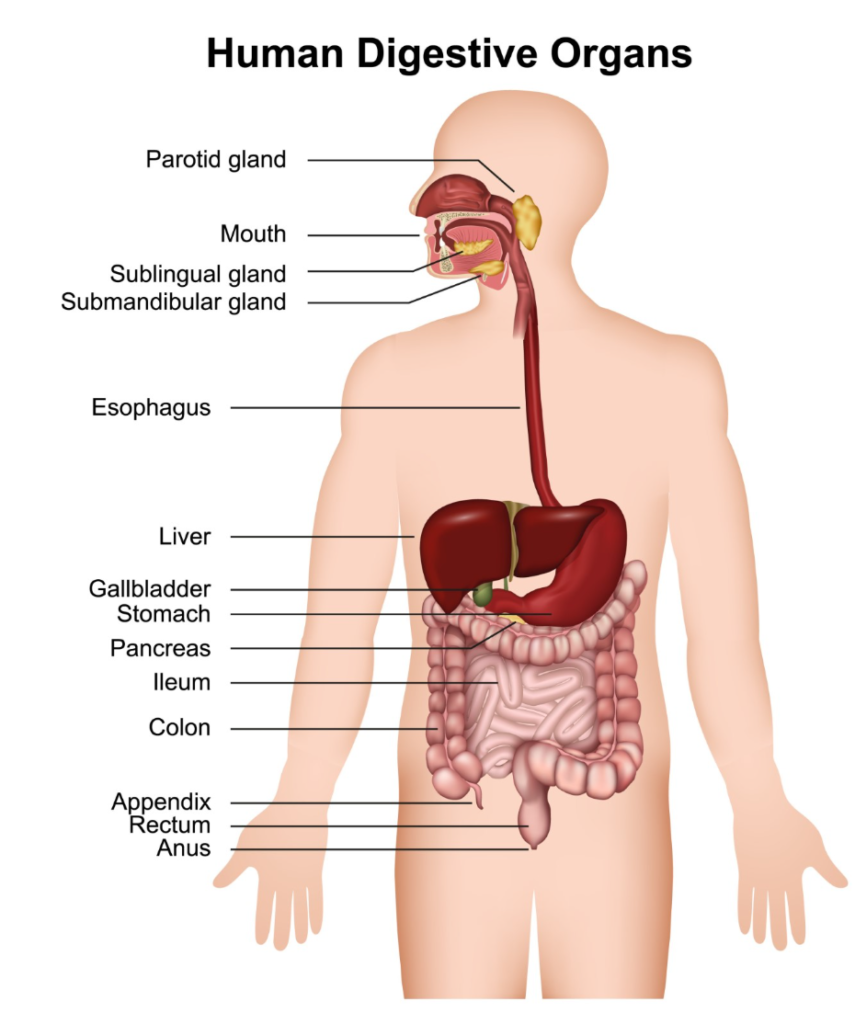
This rapid movement is often a protective mechanism designed to expel potentially harmful substances or undigested materials from the body. In some cases, the trigger is not the food itself but the way the individual’s nervous system reacts to it. The gut contains millions of neurons that communicate with the brain, and certain ingredients can overstimulate these nerves, leading to increased bowel activity and cramping.
The Impact of High-Fat and Spicy Foods
High-fat and spicy foods are among the most common triggers for sudden bowel movements because they require intensive processing and can irritate the mucosal lining of the intestines. Fatty and fried foods take longer to digest and require a significant amount of bile from the gallbladder. If the small intestine is overwhelmed by a large amount of fat at once, the excess fat can pass into the colon, where it stimulates the secretion of fluid and speeds up muscle contractions.
Spicy foods frequently contain a compound called capsaicin, which provides the heat associated with chilli peppers. Capsaicin can irritate the lining of the stomach and the intestines, leading to a faster transit time as the body tries to move the irritant out of the system quickly. For individuals with a sensitive digestive tract, even moderate amounts of spice can cause significant discomfort and urgency shortly after a meal.
Dairy Products and Lactose Intolerance
Diarrhoea following the consumption of dairy products is often the result of the body being unable to produce enough of the enzyme lactase to break down lactose, the sugar found in milk. When lactose remains undigested, it travels to the large intestine where it is fermented by bacteria. This fermentation process produces gas and draws water into the bowel, causing bloating, wind, and diarrhoea.
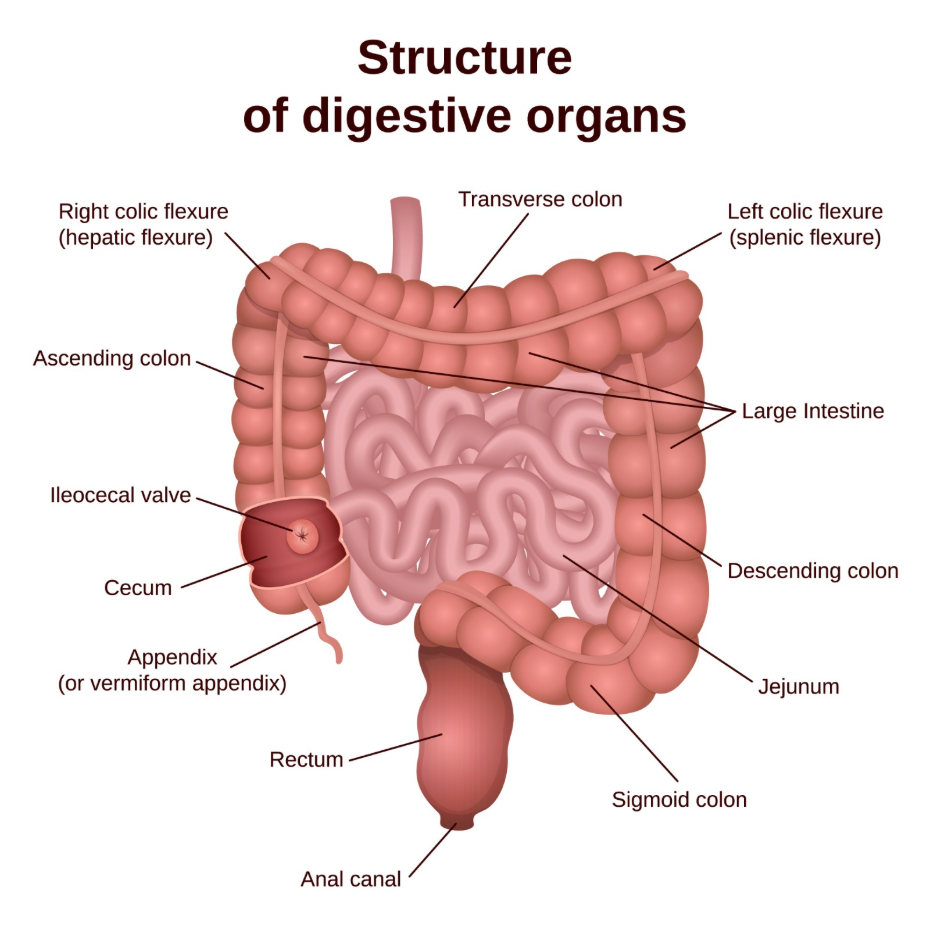
Food intolerance is a digestive system reaction that occurs when the body has difficulty breaking down certain ingredients, leading to symptoms like bloating and diarrhoea. While some people are born with this deficiency, others may develop it later in life or temporarily following a stomach bug. The severity of the reaction often depends on the amount of dairy consumed and the individual’s remaining level of enzyme activity.
Sugars, Sweeteners, and Osmotic Diarrhoea
Artificial sweeteners and certain concentrated sugars can cause diarrhoea by creating an osmotic imbalance in the intestines. Sugar alcohols such as sorbitol, xylitol, and mannitol are frequently used in sugar-free sweets, chewing gum, and some medications. These substances are poorly absorbed by the body, meaning they remain in the intestinal tract and pull water from the surrounding tissues into the bowel, leading to loose stools.
Fructose, a sugar naturally found in fruit and honey, can also cause issues if consumed in large quantities or if an individual has fructose malabsorption. When the body’s capacity to absorb fructose is exceeded, the sugar reaches the colon where it has a similar laxative effect to artificial sweeteners. This is particularly common with fruit juices and processed foods containing high-fructose corn syrup, where the concentration of sugar is much higher than in whole fruit.
Caffeine and Alcohol as Chemical Stimulants
Caffeine and alcohol act as chemical stimulants that can increase the rate of digestion and interfere with the normal absorption of water in the colon. Caffeine, found in coffee, tea, and energy drinks, stimulates the muscles in the digestive tract to contract more frequently. It also increases the production of stomach acid, which can speed up the movement of food into the small intestine, sometimes before it is fully broken down.
Alcohol can irritate the gastrointestinal tract and impair the body’s ability to absorb water and nutrients efficiently. It also affects the speed of the gastrocolic reflex, which is the signal that tells the colon to empty when food enters the stomach. For many people, consuming alcohol leads to faster bowel transit and loose stools the following day. Diarrhoea is a common symptom that can be caused by various factors including infections, food intolerances, and long-term conditions like IBS.
Fibre Types and Bowel Transit
The type and quantity of fibre consumed can significantly influence the consistency and frequency of bowel movements. There are two main types of fibre: soluble and insoluble. Insoluble fibre, found in wheat bran, whole grains, and the skins of vegetables, does not dissolve in water and adds bulk to the stool. While this is generally healthy, an excessive amount of insoluble fibre can speed up the passage of food through the gut, potentially triggering loose stools in sensitive individuals.
Soluble fibre, found in oats, beans, and certain fruits, dissolves in water to form a gel-like substance. This type of fibre can actually help slow down digestion and firm up stools. However, a sudden increase in any type of fibre can lead to temporary digestive upset as the gut bacteria adjust to the change. Balancing these fibre types is often a key part of managing recurring bowel issues.
Underlying Conditions and Dietary Sensitivity
When specific foods consistently trigger diarrhoea, it may indicate an underlying condition such as Irritable Bowel Syndrome or coeliac disease. In Irritable Bowel Syndrome, the gut is hypersensitive, meaning it overreacts to normal triggers like fat, fibre, or caffeine. This hypersensitivity can cause the muscles to spasm, leading to the alternating pain and diarrhoea characteristic of the condition.
The National Institute for Health and Care Excellence provides guidelines on managing dietary triggers to help identify specific sensitivities in the digestive tract. Coeliac disease is an autoimmune condition where the body reacts to gluten, a protein found in wheat, barley, and rye. Unlike an intolerance, this reaction causes physical damage to the small intestine, leading to malabsorption and chronic diarrhoea whenever gluten is consumed. Identifying whether a reaction is a simple intolerance or a clinical condition requires professional medical assessment and specific testing.
Conclusion
Dietary triggers for diarrhoea are common and often relate to how the body handles fats, sugars, and chemical stimulants. Most episodes are temporary and can be managed by identifying and moderating the intake of specific foods or drinks. However, if symptoms are persistent or accompanied by other signs of illness, it may suggest a more complex underlying digestive issue. If you experience severe, sudden, or worsening symptoms, call 999 immediately.
Can spicy food cause diarrhoea immediately after eating?
Yes, the capsaicin in spicy food can stimulate the gastrocolic reflex and irritate the gut lining, leading to urgency very shortly after a meal.
Is it possible to develop a food intolerance suddenly?
Yes, intolerances such as lactose intolerance can develop at any age or may occur temporarily following a gastrointestinal infection.
Why does coffee make me need the toilet?
Caffeine is a stimulant that increases the contractions of the muscles in your colon and increases the production of hormones that speed up digestion.
Are there foods that can help stop diarrhoea?
Foods high in soluble fibre, such as bananas, plain white rice, and boiled potatoes, can help absorb excess water and firm up the stool.
How do I know if my diarrhoea is caused by a sweetener?
Check the ingredients on sugar-free products for sugar alcohols like sorbitol or xylitol, and monitor if your symptoms correlate with consuming these items.
Can stress make food triggers worse?
Yes, stress affects the gut-brain axis and can make the digestive system more sensitive to foods that might normally be tolerated.
Does alcohol always cause loose stools?
Not for everyone, but alcohol often irritates the gut and increases motility, which frequently leads to loose stools the next morning.
Authority Snapshot (E-E-A-T)
This medical content is designed to provide the UK public with reliable, evidence-based information regarding digestive health and dietary triggers. The article is written by a specialist medical content team and reviewed by Dr. Rebecca Fernandez, a UK-trained physician with extensive experience in internal medicine and acute care. All information provided is strictly aligned with current NHS and NICE clinical standards.
