
The exact cause of most primary brain tumours remains unknown, though they develop when specific genetic mutations cause brain cells to grow and multiply in an abnormal, uncontrolled manner. While researchers continue to investigate the biological triggers for these changes, it is widely understood that a combination of environmental, lifestyle, and genetic factors may play a role in increasing an individual’s susceptibility. In the United Kingdom, healthcare professionals focus on identifying established risk factors while dispelling common myths that lack scientific evidence. Because the brain is a complex organ with various cell types, different tumours may have different underlying drivers. The UK healthcare system follows a structured approach to managing these conditions, prioritising evidence-based information over speculative theories. Understanding the known risks and the biological basis of tumour development is essential for patients and their families as they navigate the diagnostic process. By adhering to clinical standards set by the NHS and NICE, medical teams aim to provide clear, factual guidance on how these growths form and what factors are currently recognised by the scientific community.
What We’ll Discuss in This Article
- The biological mechanism of abnormal cell division in the brain.
- Established risk factors including age and radiation exposure.
- The role of genetics and rare inherited syndromes.
- Distinguishing between primary causes and secondary spread.
- Clarifying common misconceptions regarding environmental triggers.
- UK clinical protocols for assessing patient history and risk.
The Biological Mechanism of Tumour Development
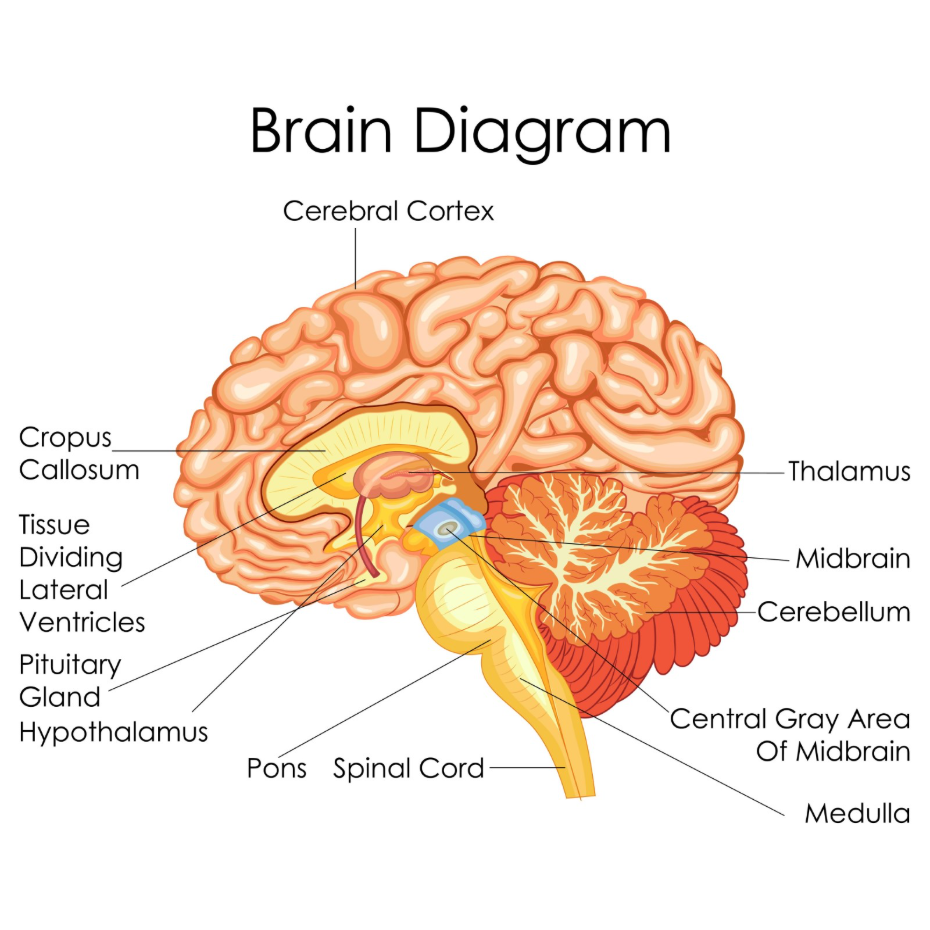
Brain tumours are caused by changes in the DNA of brain cells that disrupt the normal instructions for cell growth, division, and death. Every cell in the human body follows a strict cycle of renewal; however, when mutations occur in the genes that regulate this cycle, cells may continue to multiply even when they are not needed. The NHS states that a brain tumour is caused by a growth of cells in the brain that multiplies in an abnormal, uncontrollable way.
In the brain, these cells eventually form a mass or tumour that occupies space within the skull. These mutations can occur spontaneously throughout a person’s life, and in most cases, there is no single identifiable event that triggered the change. Because the brain is protected by the blood-brain barrier, it is less exposed to many of the external carcinogens that affect other organs, which is why the specific causes are often harder to pinpoint than those for lung or skin cancers. UK researchers continue to study how these internal genetic errors accumulate over time.
Established Risk Factors: Age and Radiation
While the direct cause is often unclear, age and exposure to high doses of ionising radiation are the two most established risk factors for the development of primary brain tumours in the United Kingdom. Most types of brain tumours become more common as people get older, which is likely due to the cumulative effect of genetic mutations over many decades.
Radiation exposure is a recognised risk factor, particularly for individuals who received radiotherapy to the head for other conditions earlier in life. NICE clinical guidelines for brain tumours indicate that previous exposure to therapeutic ionising radiation is a known factor that increases the risk of developing certain types of tumours. It is important to distinguish this from non-ionising radiation, such as that from mobile phones or power lines, which current UK scientific evidence does not link to the development of brain tumours. Healthcare professionals in the UK carefully document a patient’s medical history regarding previous treatments to assess this specific risk.
Genetic Factors and Inherited Syndromes
A small proportion of brain tumours are linked to rare genetic conditions that are passed down through families, though these account for less than five per cent of all cases in the UK. These inherited syndromes involve specific mutations that make an individual significantly more likely to develop tumours in the central nervous system and other parts of the body.
| Syndrome Name | Associated Tumour Types | Clinical Features |
| Neurofibromatosis (Type 1 & 2) | Acoustic neuromas, gliomas. | Skin spots, nerve growths, hearing issues. |
| Li-Fraumeni Syndrome | Various, including gliomas. | Increased risk of several different cancers. |
| Turcot Syndrome | Medulloblastomas, glioblastomas. | Often associated with colon polyps. |
| Tuberous Sclerosis | Astrocytomas. | Growths in the brain, skin, and kidneys. |
For individuals with a strong family history of these specific syndromes, the UK healthcare system offers genetic counselling and regular screening. However, for the vast majority of patients, a brain tumour is an isolated event without a clear hereditary link.
Primary Causes versus Secondary Spread
When discussing what causes a brain tumour, it is essential to differentiate between a primary tumour that originates in the brain and a secondary tumour caused by cancer spreading from elsewhere. Secondary brain tumours, also known as metastases, are caused by cells from a pre-existing cancer—such as in the lungs, breasts, or kidneys—travelling through the bloodstream to the brain.
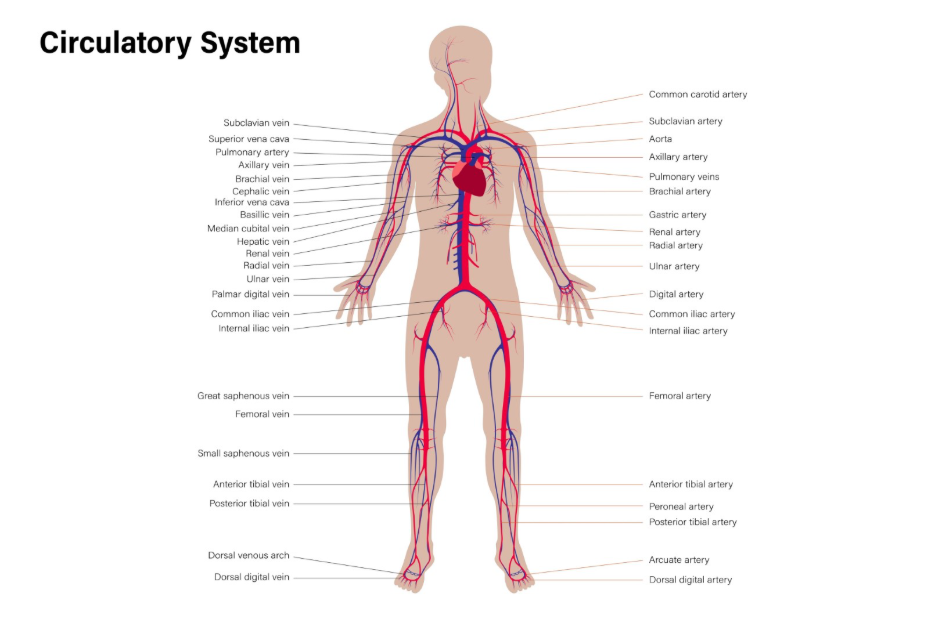
In these instances, the “cause” of the brain growth is the original primary cancer. The GOV.UK health pages provide data showing that secondary brain tumours are more common than primary brain tumours in the adult population. In the UK, if a scan identifies multiple growths in the brain, clinicians will often perform a thorough check of the rest of the body to locate the primary source. The biological behaviour of these tumours is dictated by the original cell type, meaning a lung cancer cell that has moved to the brain still behaves like lung cancer.
Clarifying Common Misconceptions
There is significant public interest in environmental factors, but many commonly cited triggers have not been proven to cause brain tumours according to current UK medical research. Extensive studies have been conducted to investigate potential links between brain tumours and modern environmental exposures.
Currently, there is no consistent evidence to suggest that the following cause brain tumours:
- Mobile Phones: Major UK and international studies have found no definitive link between mobile phone use and brain tumours.
- Power Lines: Exposure to electromagnetic fields from domestic power sources has not been proven to be a cause.
- Head Injuries: While a bump to the head is often what leads a person to seek medical attention, there is no evidence that trauma causes a tumour to form.
- Dietary Choices: No specific food or nutrient has been identified as a direct cause of brain tumours.
UK clinicians rely on peer-reviewed, large-scale epidemiological data to inform their advice. While it is natural to look for a specific reason why a tumour developed, the current consensus is that most are the result of complex, random genetic changes rather than specific lifestyle choices or environmental pollutants.
UK Clinical Assessment of Risk
The United Kingdom uses a structured diagnostic pathway to assess potential causes and risks when a patient presents with neurological symptoms. This process begins with a detailed clinical history to identify any rare genetic syndromes or previous radiation exposure.
The UK assessment pathway involves:
- Neurological Examination: Assessing function, balance, and coordination to pinpoint the affected area.
- Imaging: Using MRI or CT scans to visualise the growth and its characteristics.
- Biopsy: Analysing a tissue sample to identify the specific genetic markers of the tumour cells.
- MDT Review: A multidisciplinary team of surgeons, oncologists, and radiologists discussing the findings.
This comprehensive approach ensures that all known risk factors are considered. While the primary cause may remain elusive for many, this detailed investigation allows for a highly personalised management plan. By following these national protocols, the NHS ensures that patients receive an accurate assessment of their condition based on the most up-to-date scientific understanding of how brain tumours form and progress.
Conclusion
The exact cause of most brain tumours is not yet fully understood, though they are fundamentally the result of abnormal genetic changes within brain cells. Recognised risk factors in the UK include increasing age and previous exposure to high-dose ionising radiation, while rare genetic syndromes account for a small minority of cases. Many common environmental concerns, such as mobile phone use, are not supported by current scientific evidence as causes. Understanding the biological basis of these growths helps in navigating the diagnostic process with your clinical team. If you experience severe, sudden, or worsening symptoms, call 999 immediately.
Can stress cause a brain tumour?
There is no scientific evidence to suggest that psychological stress or mental health issues lead to the development of brain tumours.
Are brain tumours more common in men or women?
The incidence varies by tumour type; for example, meningiomas are more common in women, while medulloblastomas are more common in males.
If my parent had a brain tumour, will I get one?
Most brain tumours are not inherited; unless your family has a rare known genetic syndrome, your risk is usually the same as the general population.
Does smoking cause brain tumours?
Smoking is a major cause of primary cancers that can spread to the brain (secondary tumours), but it is not strongly linked to primary brain tumours.
Can children get brain tumours from the same causes as adults?
The types of brain tumours in children are often different from those in adults and are usually related to developmental cell changes.
Is there any way to prevent a brain tumour?
Because most causes are unknown or related to age and genetics, there are currently no specific proven ways to prevent primary brain tumours.
Are brain tumours caused by environmental pollution?
Current UK research has not identified a clear link between general air or water pollution and an increased risk of primary brain tumours.
Authority Snapshot (E-E-A-T)
This article provides medically factual health education regarding the causes of brain tumours, strictly aligned with NHS and NICE clinical guidelines. The content is developed by a professional medical writing team and reviewed by Dr. Stefan Petrov, a UK-trained physician with experience in emergency care, surgery, and clinical education. All information follows current UK public health protocols to ensure clinical accuracy and patient safety.
