
The primary difference between a benign brain tumour and a malignant brain tumour lies in the speed of cellular growth and the tendency of the cells to invade surrounding healthy brain tissue. A benign tumour is typically a slow-growing mass of abnormal cells that remains localised and is less likely to spread, whereas a malignant tumour consists of fast-growing, cancerous cells that can aggressively infiltrate nearby structures. In the United Kingdom, healthcare professionals use a specific grading system to categorise these growths, which helps determine the most appropriate clinical pathway for each patient. While both types of tumours can cause symptoms by increasing pressure within the skull, their long-term management and outlook differ significantly based on their biological behaviour. The UK healthcare system provides a structured approach to identifying these differences through advanced imaging and tissue analysis. Understanding these distinctions is essential for navigating the diagnostic process and making informed decisions about care. By following the evidence-based guidelines established by the NHS and NICE, medical teams aim to manage the impact of the growth while preserving as much neurological function as possible.
What We’ll Discuss in This Article
- The biological characteristics and growth patterns of benign tumours.
- How malignant tumours invade healthy brain tissue and spread.
- The UK World Health Organization (WHO) grading system for tumours.
- Why the location of a tumour matters regardless of its cellular type.
- Common diagnostic methods used to differentiate between tumour types.
- UK clinical protocols for managing low-grade and high-grade growths.
Biological Characteristics of Benign Brain Tumours
Benign brain tumours are non-cancerous growths that typically grow slowly and possess distinct borders, making them less likely to spread into the surrounding brain tissue. Because they are contained, these tumours do not usually invade the healthy areas of the brain, although they can still cause significant issues by pressing on sensitive structures as they expand. The NHS states that non-cancerous (benign) brain tumours are low-grade growths that stay in one place and do not usually spread.
In many cases, if a benign tumour is located in an accessible part of the brain, it can be surgically removed with a low risk of the cells returning. However, because the brain is housed within the rigid structure of the skull, even a slow-growing benign mass can increase intracranial pressure, leading to symptoms like headaches or seizures. In the United Kingdom, these are often referred to as Grade 1 or Grade 2 tumours. While they are not cancerous, they still require careful clinical monitoring to ensure they do not change in behaviour over time or grow large enough to interfere with vital functions.
Characteristics and Impact of Malignant Brain Tumours
Malignant brain tumours are cancerous growths that multiply rapidly and lack clear boundaries, allowing them to spread aggressively into the healthy parts of the brain and spinal cord. Unlike benign tumours, malignant cells actively infiltrate the spaces between healthy neurons, making complete surgical removal more technically challenging. The NHS explains that cancerous (malignant) brain tumours are high-grade growths that either start in the brain or spread there from elsewhere.
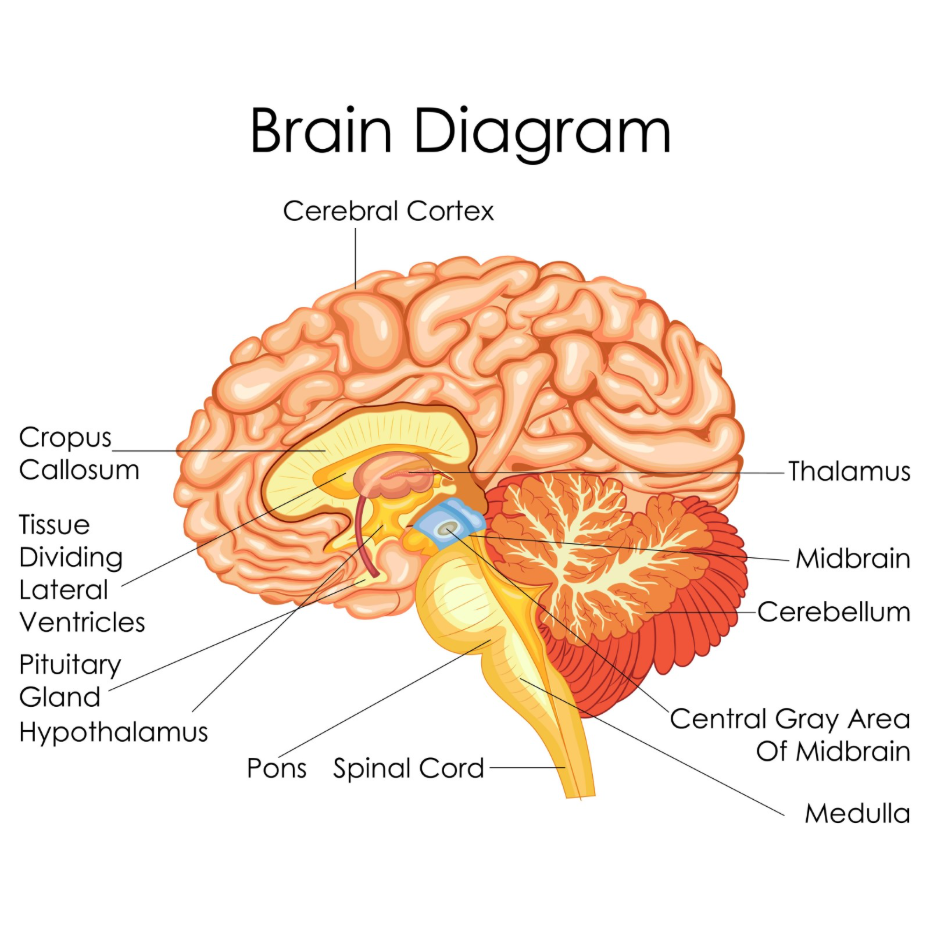
These tumours are categorised as Grade 3 or Grade 4, reflecting their more disordered and fast-dividing cellular nature. Malignant tumours can also be “secondary,” meaning they originated from a cancer in another part of the body, such as the lungs or breast, and migrated to the brain. In the United Kingdom, the management of malignant tumours often involves a combination of treatments to target the invasive cells that cannot be seen with the naked eye. The primary clinical concern with malignant growths is their ability to regrow quickly and their tendency to disrupt essential neurological pathways.
Comparing Benign and Malignant Features
The following table provides a direct comparison of the typical features associated with benign and malignant brain tumours as classified by UK clinical standards.
| Feature | Benign (Non-Cancerous) | Malignant (Cancerous) |
| Growth Rate | Slow and steady. | Fast and unpredictable. |
| Borders | Well-defined and distinct. | Poorly defined and irregular. |
| Invasion | Does not spread into nearby tissue. | Actively invades healthy tissue. |
| WHO Grade | Typically Grade 1 or 2. | Typically Grade 3 or 4. |
| Recurrence | Less likely to return if fully removed. | Higher chance of regrowth. |
It is important to note that even a benign tumour can be considered “clinically malignant” if it is located in a vital area of the brain, such as the brainstem, where any growth can be life-threatening. This is why UK specialists prioritise both the cellular type and the anatomical location when assessing a patient’s risk.
The Role of WHO Grading in the UK
In the United Kingdom, the World Health Organization (WHO) grading system is the standard tool used by pathologists to classify the severity of a brain tumour based on its microscopic appearance. This system assigns a grade from 1 to 4, which directly influences the intensity and frequency of the patient’s management plan.
Grade 1 tumours are the least aggressive and often grow slowly enough that they can be monitored with regular scans or cured with surgery. Grade 4 tumours, such as glioblastomas, are the most aggressive and require immediate, intensive intervention. NICE clinical guidelines for brain tumours indicate that grading is essential for determining the prognosis and the most appropriate management pathway for each individual. Pathologists look for specific markers, such as how much the cells vary in size and how many of them are currently in the process of dividing. This detailed biological profiling ensures that UK patients receive care that is precisely matched to the behaviour of their specific tumour.
Diagnostic Methods for Differentiation
To differentiate between a benign and a malignant tumour, UK clinicians rely on advanced imaging techniques and, in many cases, a tissue biopsy to confirm the cellular identity. An MRI (Magnetic Resonance Imaging) scan is the primary tool used to visualise the growth. Malignant tumours often “enhance” on a scan when a contrast dye is used, because their rapid growth requires a disorganised and leaky blood supply that the dye can easily permeate.
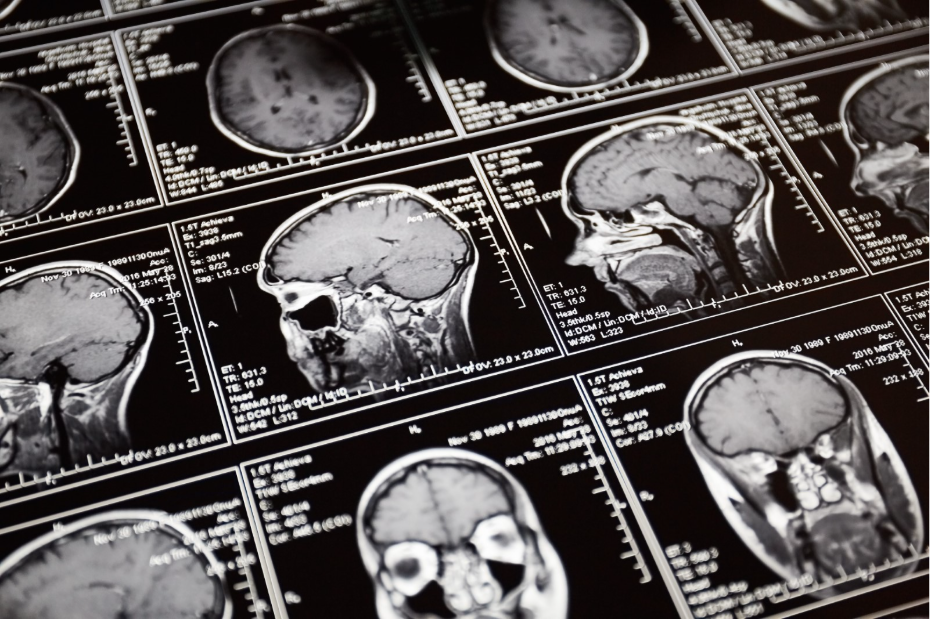
If the imaging suggests a complex growth, a neurosurgeon may perform a biopsy, which involves taking a small sample of the tumour cells through a needle or during a larger operation. This sample is then analysed in a laboratory. Only a microscopic examination can definitively prove whether a tumour is benign or malignant and identify its specific grade. In the United Kingdom, this diagnostic process is handled by a Multidisciplinary Team (MDT), ensuring that specialists from different fields, including radiology and pathology, agree on the nature of the tumour before a long-term plan is established.
UK Clinical Protocols and Patient Support
The United Kingdom utilises integrated care pathways to manage both benign and malignant tumours, ensuring that patients have access to specialised surgery, monitoring, and rehabilitation. For benign tumours, the focus is often on resolving the pressure symptoms and maintaining regular surveillance scans to check for any changes.
For malignant tumours, the management is more intensive and aims to control the growth and spread of the cancerous cells. Throughout either journey, patients are supported by clinical nurse specialists who provide guidance on managing side effects and psychological well-being. The UK healthcare framework also emphasises the importance of rehabilitation, such as physiotherapy or speech therapy, to help patients recover any functions affected by the tumour or its treatment. This comprehensive approach ensures that whether a tumour is benign or malignant, the patient receives holistic support tailored to their specific needs and the biological requirements of their condition.
Conclusion
The difference between benign and malignant brain tumours is defined by their growth speed, their ability to invade healthy tissue, and their clinical grade. While benign tumours are slow-growing and localised, malignant tumours are cancerous and spread aggressively. In the UK, both types are managed through a structured pathway involving advanced imaging, grading, and specialist care to protect neurological function. Regular monitoring and expert assessment are essential for managing either type of growth effectively. If you experience severe, sudden, or worsening symptoms, call 999 immediately.
Can a benign brain tumour turn into a malignant one?
Some low-grade benign tumours can occasionally undergo cellular changes over several years and transition into a more aggressive, higher-grade tumour.
Is a benign tumour always “safe”?
No; even a benign tumour can be dangerous if it grows in a part of the brain that controls vital functions like breathing or heart rate.
Do malignant tumours always spread to the rest of the body?
Primary malignant brain tumours rarely spread outside of the central nervous system, but they can spread to other parts of the brain and spine.
How often will I need scans for a benign tumour?
Surveillance intervals in the UK vary, but you may have an MRI scan every 6 to 12 months initially to ensure the growth remains stable.
Are the symptoms different for benign and malignant tumours?
The symptoms are often very similar, as both cause pressure within the skull; only medical imaging and tests can tell them apart.
Can children have benign brain tumours?
Yes, both benign and malignant tumours can occur in children, and the UK has specialist paediatric neuro-oncology teams to manage these cases.
What is the most common type of benign brain tumour?
Meningiomas, which grow from the protective layers covering the brain, are one of the most frequently diagnosed benign tumours in UK adults.
Authority Snapshot (E-E-A-T)
This article provides medically factual health education regarding the differences between benign and malignant brain tumours, strictly aligned with NHS and NICE clinical guidelines. The content is developed by a professional medical writing team and reviewed by Dr. Stefan Petrov, a UK-trained physician with experience in emergency care, surgery, and clinical education. All information follows current UK public health protocols to ensure clinical accuracy and patient safety.
