
A brain tumour can occur without causing any noticeable symptoms, particularly in the early stages of growth or if the tumour is slow-growing and located in a part of the brain that does not control immediate physical functions. Because the brain is a complex organ with areas that can adapt to gradual changes, a small mass may exist for a significant period before it creates enough pressure or disrupts neurological pathways to be detected. In the United Kingdom, such tumours are often discovered incidentally during medical investigations for unrelated issues, such as a head injury or a persistent headache that is later found to be unrelated to the growth. The UK healthcare system utilise advanced imaging to monitor these “incidentalomas” and determine if intervention is necessary or if a period of observation is safer. Understanding that not every tumour presents with an immediate crisis is essential for patients who may receive an unexpected finding on a scan. By following evidence-based protocols established by the NHS and NICE, clinical teams aim to balance the risks of management with the biological behaviour of the tumour. This structured approach ensures that even asymptomatic growths are managed with the highest level of clinical rigour to protect long-term neurological health.
What We’ll Discuss in This Article
- The biological reasons why some brain tumours remain asymptomatic.
- How the location and growth rate of a tumour influence symptom onset.
- The clinical definition of an incidental finding or incidentaloma.
- UK protocols for managing tumours discovered during unrelated scans.
- The role of “watch and wait” or active surveillance in asymptomatic cases.
- Signs that a previously silent tumour may be starting to cause issues.
Biological Reasons for Asymptomatic Brain Tumours
Brain tumours may not cause symptoms if they are small or grow slowly enough to allow the surrounding brain tissue and blood vessels to adjust to the presence of the mass. The brain has a limited degree of plasticity, meaning healthy areas can sometimes compensate for small amounts of pressure or displacement caused by a slow-growing growth. The NHS states that a brain tumour is a growth of cells in the brain that multiplies in an abnormal, uncontrollable way, but symptoms depend on the part of the brain affected.
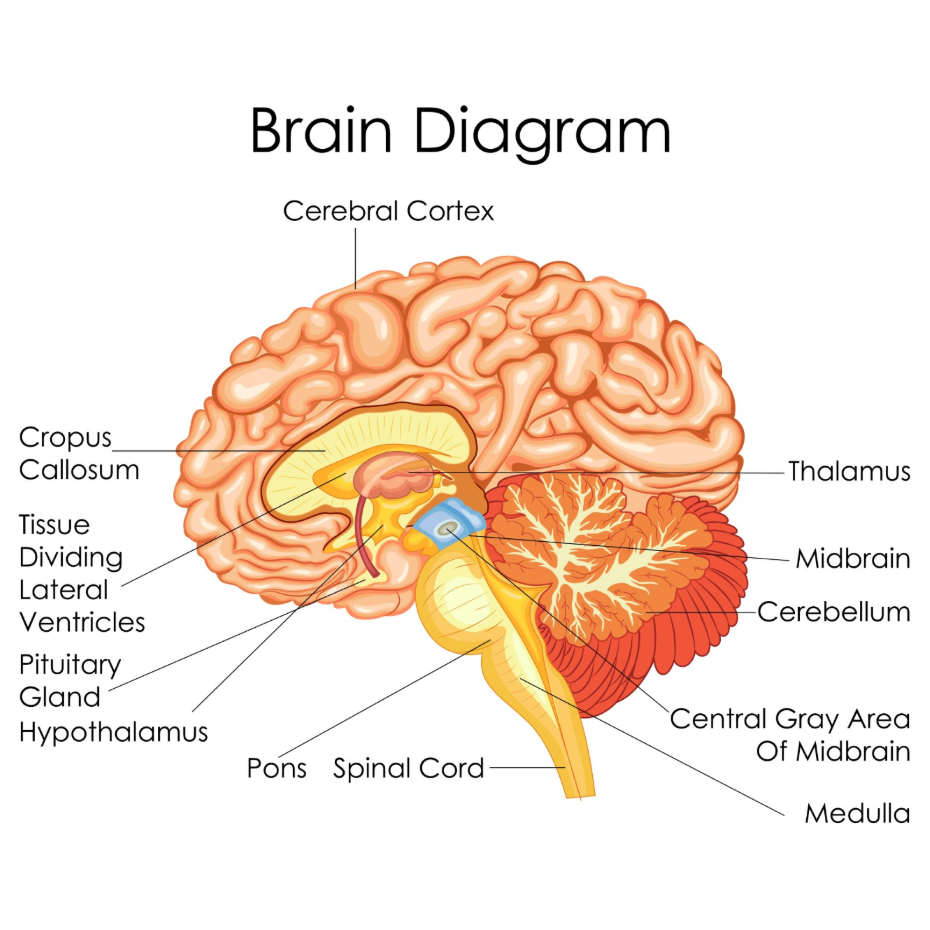
When a tumour grows very gradually, the increase in intracranial pressure is slow, which may prevent the sudden, severe headaches or nausea typically associated with more aggressive growths. Furthermore, if a tumour is located in what clinicians call “silent” areas of the brain, such as certain parts of the frontal lobe that are not involved in primary motor or sensory functions, its presence may go unnoticed for a long time. In the UK, these are frequently low-grade tumours that may remain stable for years. Only when the tumour reaches a critical size or begins to affect vital pathways do symptoms typically emerge.
Impact of Tumour Location and Growth Rate
The likelihood of a brain tumour being asymptomatic is highly dependent on its specific anatomical location and whether it is a low-grade or high-grade growth. Tumours located in areas that control speech, movement, or vision are much more likely to cause symptoms early in their development, even when they are small.
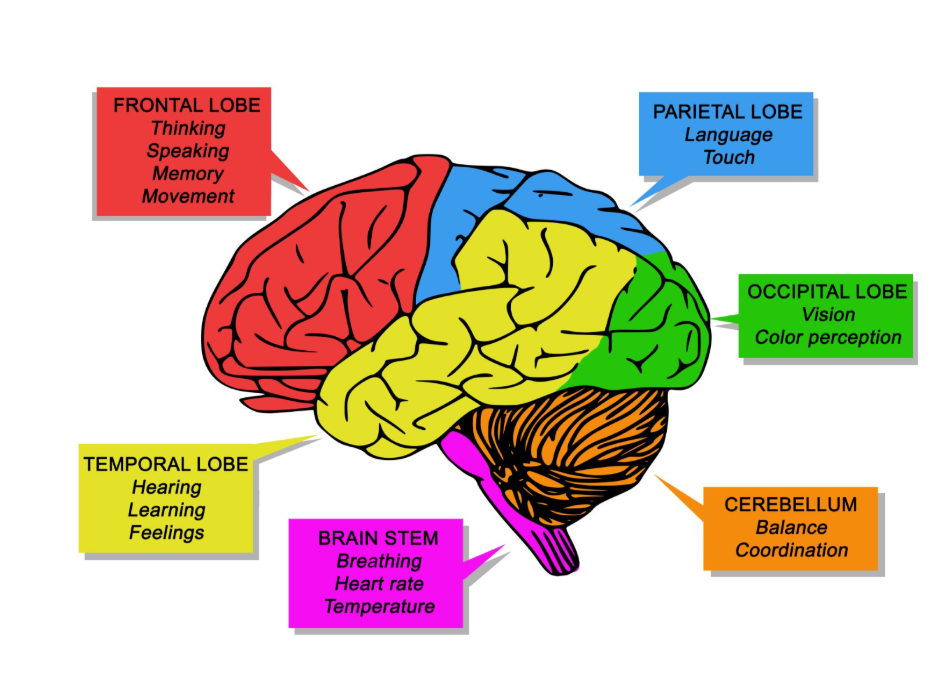
Conversely, tumours in the deeper structures of the brain or in the broad areas of the cerebral hemispheres may grow significantly before they interfere with noticeable functions| NICE clinical guidelines for brain tumours indicate that the speed of symptom onset is a key factor in determining the urgency of the clinical management pathway. A fast-growing malignant tumour will often produce symptoms rapidly as it invades healthy tissue and causes significant swelling (oedema), whereas a benign meningioma might be present for decades without the individual ever knowing.
Incidental Findings and the Incidentaloma
In the United Kingdom, many asymptomatic brain tumours are identified as incidental findings, colloquially known as incidentalomas, when a patient undergoes an MRI or CT scan for an entirely different reason. With the increasing use of high-resolution imaging in the NHS for various complaints, more of these silent growths are being detected than in previous decades.
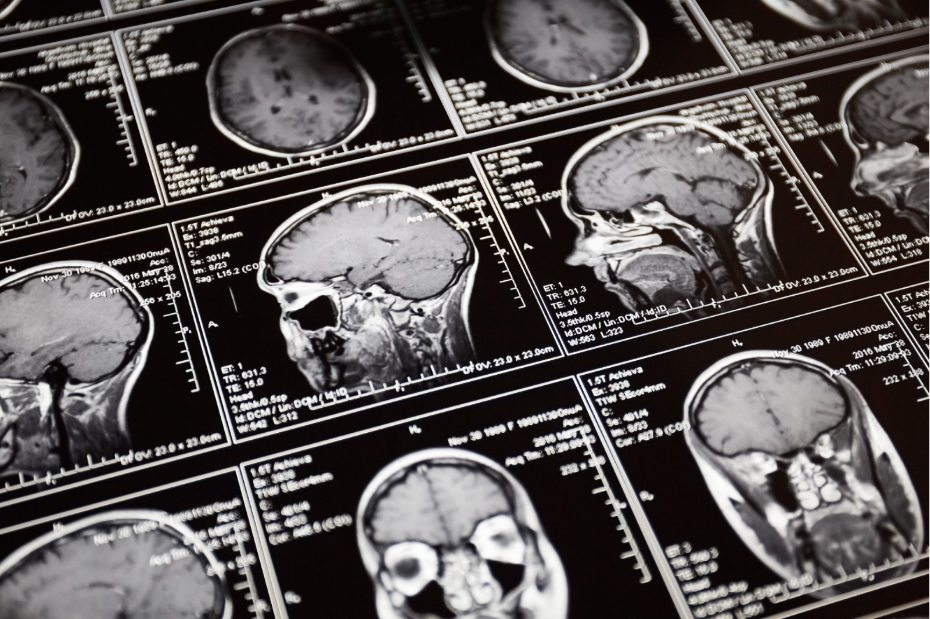
For example, a patient may have a scan after a minor car accident or as part of an investigation into hearing loss, only for the radiologist to spot a small, unrelated growth. The GOV.UK health pages provide clinical information on the management of incidental findings to ensure that patients are not subjected to unnecessary procedures for growths that are unlikely to cause harm. Receiving such a finding can be distressing, but in many cases, these tumours are low-grade and may never cause a problem during the person’s lifetime. The clinical challenge in the UK is distinguishing between a growth that requires immediate surgery and one that simply needs to be monitored.
UK Management of Asymptomatic Growths
When a brain tumour is discovered without symptoms, UK clinical protocols often involve a period of “watch and wait” or active surveillance to determine if the growth is stable or progressing. This approach is prioritised when the risks of surgery or other interventions outweigh the potential benefits for a patient who currently feels well.
The management pathway typically includes:
- Repeat Imaging: Scheduling MRI scans at fixed intervals (e.g., every 6 to 12 months) to measure the growth.
- Neurological Reviews: Regular check-ups with a neurologist to ensure no subtle changes in function have occurred.
- MDT Discussion: Reviewing the case in a Multidisciplinary Team meeting to confirm that observation is the safest route.
- Patient Education: Teaching the individual which specific symptoms would require them to seek medical attention sooner.
This conservative strategy ensures that the patient maintains their quality of life while ensuring that if the tumour does begin to grow, it is caught early. In the UK, many asymptomatic low-grade tumours are managed this way for many years. It prevents the complications associated with neurosurgery in cases where the tumour might remain dormant indefinitely.
Transitioning from Silent to Symptomatic
An asymptomatic brain tumour can become symptomatic if it undergoes a biological change, such as a shift to a higher grade, or if it reaches a size where it significantly increases pressure inside the skull. This transition can be gradual or sudden, depending on the nature of the tumour.
One of the most common ways a “silent” tumour is finally identified is through a first-time seizure. A seizure occurs when the tumour irritates the surrounding electrical pathways of the brain, even if the tumour itself is not in a motor area. Other signs of a transition include new, persistent headaches that are worse in the morning or subtle changes in cognitive function, such as memory lapses or personality shifts. In the UK, patients under surveillance are monitored closely for these developments. If a scan shows growth or if new symptoms appear, the management plan is reassessed, and more active treatment, such as surgery or radiotherapy, may be discussed. This integration of monitoring and reactive care is the standard of excellence in the NHS for managing the spectrum of brain tumour presentations.
The Role of Specialist Surveillance
The United Kingdom utilise specialised neuro-oncology services to provide long-term surveillance for patients with asymptomatic brain tumours, ensuring that they receive expert care aligned with national standards. These services are staffed by specialists who understand the nuances of slow-growing tumours and can provide reassurance to patients living with a known growth.
This integrated approach ensures:
- Diagnostic Accuracy: Using the most advanced imaging to characterise the growth.
- Safety: Ensuring that any signs of progression are caught before they cause permanent deficit.
- Support: Providing access to clinical nurse specialists who can answer questions about life with an asymptomatic tumour.
- Consistency: Following NICE guidelines to ensure every patient in the UK receives the same high standard of monitoring.
By centralising this care, the NHS ensures that asymptomatic tumours are not ignored but are managed with the same clinical diligence as more urgent cases. This allows patients to continue their lives normally, with the confidence that a dedicated medical team is overseeing their neurological health.
Conclusion
A brain tumour can occur without symptoms if it is small, slow-growing, or located in a less sensitive area of the brain. In the UK, many such tumours are discovered incidentally and are managed through active surveillance rather than immediate surgery. This approach prioritises the patient’s current quality of life while ensuring any future changes are detected early. While a tumour may remain silent for many years, consistent monitoring is essential to track its biological behaviour. If you experience severe, sudden, or worsening symptoms, call 999 immediately.
If I have no symptoms, is the tumour definitely benign?
No; while asymptomatic tumours are often low-grade, only a biopsy or close monitoring of the growth rate can confirm the type and grade.
Can a large tumour really cause no symptoms?
Yes, if it has grown very slowly over many years, the brain may have adapted to the displacement, allowing the tumour to reach a significant size before symptoms appear.
Why wouldn’t a doctor just remove it anyway?
Brain surgery carries significant risks; if a tumour is not causing symptoms and is not growing, the risks of surgery may be higher than the risks of the tumour.
How often will I need scans if I have an asymptomatic tumour?
In the UK, you may have scans every 6 to 12 months initially, though this interval may be extended if the growth remains stable over several years.
Should I tell the DVLA if I have an asymptomatic tumour?
Yes, in the UK, you must inform the DVLA of any brain tumour diagnosis, as it may affect your driving licence even if you have no symptoms.
Can an asymptomatic tumour be found on a regular eye test?
Occasionally, yes; an optician may see swelling at the back of the eye (papilloedema) caused by increased pressure, even if you feel fine.
Is an asymptomatic tumour more common in adults or children?
They can occur in both, but incidental findings are more common in adults because adults undergo more brain imaging for other health reasons.
Authority Snapshot (E-E-A-T)
This article provides medically factual health education regarding asymptomatic brain tumours, strictly aligned with NHS and NICE clinical guidelines. The content is developed by a professional medical writing team and reviewed by Dr. Stefan Petrov, a UK-trained physician with experience in emergency care, surgery, and clinical education. All information follows current UK public health protocols to ensure clinical accuracy and patient safety.
