
Developmental delay is a relatively common occurrence in early childhood, affecting a small but significant percentage of children who take longer to reach physical, cognitive, or communication milestones. In the United Kingdom, the NHS identifies these lags through a structured framework of routine health visitor reviews and GP assessments. While many children eventually catch up with their peers, others require an integrated multidisciplinary management plan to support their long-term functional development.
What We’ll Discuss in This Article
- The estimated prevalence of developmental delay in the United Kingdom.
- Identifying common areas where developmental lags frequently occur.
- Factors that influence how often delays are detected in infants.
- The role of routine NHS screening in identifying childhood progress.
- Comparing global developmental delay with specific area delays.
- Accessing integrated multidisciplinary support pathways for UK families.
Prevalence and Identification of Developmental Lags
Developmental delay is identified in approximately one in twenty to one in ten children globally, making it a common reason for referral to paediatric specialist services in the United Kingdom. Because development is a broad spectrum, many children may show a minor lag in one area that resolves quickly, while others exhibit more persistent challenges. The NHS states that a developmental delay is usually suspected if a child is not reaching milestones like sitting up, walking or talking by a certain age.
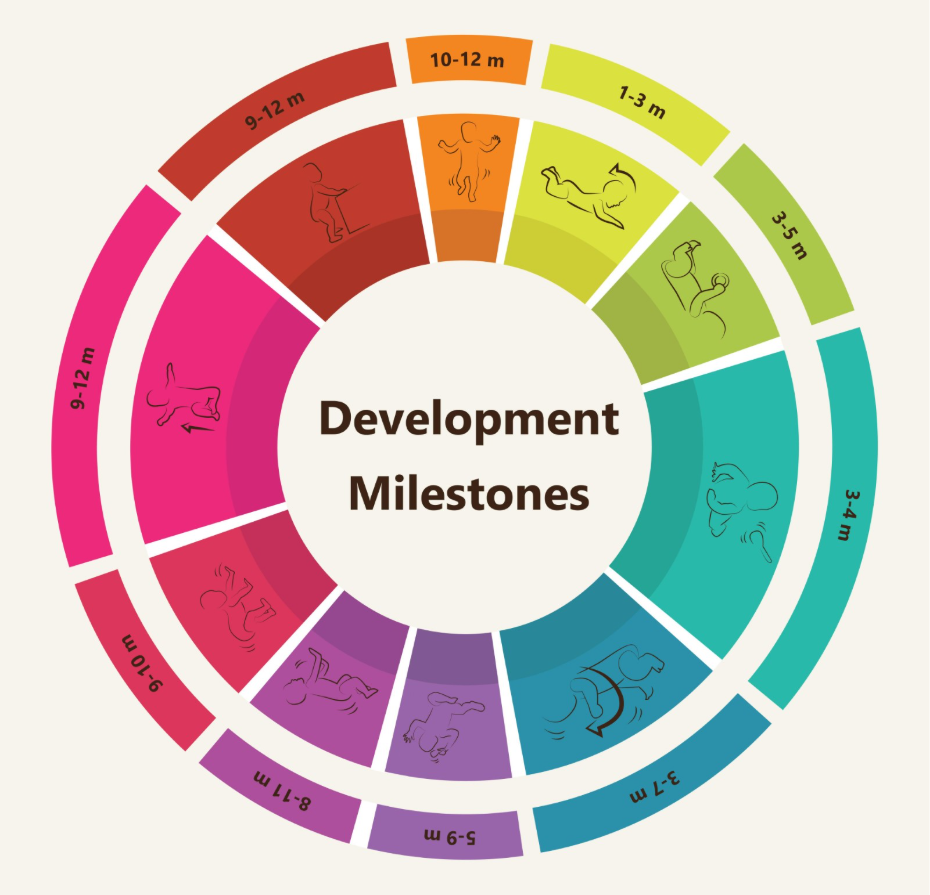
In the United Kingdom, the frequency of diagnosis is supported by the Universal Healthy Child Programme, which ensures that every child has their progress monitored at key intervals. These reviews help clinicians determine if a delay is a temporary variation or an indicator of an underlying condition. While precise figures can vary based on the clinical definitions used, the high volume of children seen by community paediatricians reflects the common nature of these concerns. By maintaining a proactive screening system, the British healthcare system ensures that developmental challenges are identified early, allowing for the implementation of integrated therapy and support before the child begins formal education. This systematic approach provides a safety net for all families, ensuring that every child has the opportunity to reach their functional potential.
Common Areas of Developmental Challenge
Developmental delays occur most frequently in the areas of speech and language, followed by gross motor skills and social-emotional development. In the United Kingdom, speech and language therapy is the most commonly accessed specialist service for pre-school children, reflecting the complexity of communication development. NICE clinical guidelines for developmental monitoring indicate that persistent motor delays or unusual muscle patterns should prompt a referral for a specialist neurological assessment.
| Developmental Area | Common Signs in the UK | Frequency of Referral |
| Speech and Language | Limited vocabulary; difficulty following instructions. | Very High. |
| Gross Motor | Late walking; difficulty with balance or stairs. | High. |
| Fine Motor | Struggling with drawing; poor pincer grip. | Moderate. |
| Social-Emotional | Difficulty interacting; lack of eye contact. | High. |
Speech delays are often the first concern raised by parents, partly because language is a primary tool for social interaction. Physical delays, such as not walking by 18 months, are also frequent reasons for NHS reviews. These areas are not always isolated; a child may experience a delay in one area that impacts another, such as a physical challenge affecting social play. In the United Kingdom, multidisciplinary teams work together to assess the child holistically rather than focusing on a single symptom. This integrated view ensures that even when multiple areas are affected, the child receives a coordinated management plan. Identifying which areas are most commonly affected helps the NHS allocate resources effectively to meet the needs of local communities.
Factors Influencing Detection Frequency
The frequency with which developmental delay is detected depends on various factors, including the awareness of parents, the vigilance of health visitors, and the child’s exposure to early learning environments. In the United Kingdom, the structured system of routine checks ensures that detection is not left to chance, but rather is a proactive part of public health.
Factors influencing detection in the UK include:
- Routine Screening: Regular health visitor reviews at birth, six weeks, and one and two years.
- Parental Observations: Parents noticing differences in milestones compared to siblings or peers.
- Early Years Settings: Nursery staff identifying social or communication lags in a group setting.
- Prematurity: Infants born early are more frequently monitored for developmental progress.
In the United Kingdom, the Personal Child Health Record, or Red Book, is a vital tool for documenting these observations. When a parent or professional records a concern, it triggers a more detailed clinical review. This collaborative approach means that delays are often caught during the critical first three years of life when the brain is most adaptable. By involving various professionals and the family, the NHS ensures that the detection process is thorough and evidence-based. This helps to explain why developmental delay may appear more common in countries with robust screening programmes, as more children are being accurately monitored and supported from an early age.
Global Developmental Delay vs Specific Area Delays
Global developmental delay is a term used when a child is significantly behind in two or more areas of development, whereas a specific area delay affects only one part of their progress, such as speech or physical movement. In the United Kingdom, this distinction is important for determining the underlying cause and the type of integrated support required. The GOV.UK health pages provide clinical profiles indicating that the early identification of global developmental delay is a priority for ensuring integrated educational and social support.
Global developmental delay is less common than delays in a single area and often suggests a more complex neurological or genetic factor. For example, a child may have challenges with both walking and talking, necessitating a review by both a physiotherapist and a speech therapist. Specific area delays are more frequent and may be related to environmental factors or temporary health issues, such as hearing loss causing a speech lag. In the United Kingdom, children under five who exhibit global lags are often referred to Child Development Centres for a comprehensive multidisciplinary assessment. This ensures that the clinical team can investigate the full scope of the child’s needs. Understanding whether a delay is global or specific allows the NHS to tailor the management plan, ensuring that children with multiple needs receive more intensive, joined-up care.
Integrated NHS Support Pathways and Early Intervention
The United Kingdom provides an integrated multidisciplinary framework to support children with developmental delays, ensuring that their health, social, and educational needs are addressed collectively. This system is designed to provide continuity of care as the child grows and as their developmental profile becomes clearer.
The UK integrated support framework involves:
- Paediatricians: Leading the medical investigation and coordinating the clinical team.
- Specialist Therapists: Providing physiotherapy, occupational therapy, and speech therapy.
- Health Visitors: Offering community-based monitoring and family guidance.
- Educational Support: Assisting with Education, Health and Care (EHC) plans for school support.
In the United Kingdom, these services are coordinated through local authorities and NHS trusts to ensure that support is consistent. For many children, early intervention is temporary and helps them catch up with their peers. For others with more persistent challenges, the support provides a life-long framework that adapts as they move into adulthood. The NHS focuses on achieving functional goals, such as improving communication or mobility, to enhance the child’s participation in daily life. By utilising these integrated pathways, the British healthcare system provides a secure environment where children with developmental challenges are supported in achieving their best possible quality of life.
Conclusion
Developmental delay is a common clinical observation in the UK, affecting a small but significant number of children across various areas of growth. Through the NHS health visitor system and routine Red Book reviews, these lags are identified early to ensure that children receive integrated multidisciplinary support. While specific delays in speech or movement are most frequent, global delays affecting multiple areas require more intensive investigations. Following a coordinated management plan with the help of medical and therapy experts ensures that the child’s unique needs are addressed holistically. The UK healthcare system provides a life-long framework of support for children and their families.
Is developmental delay the same as a learning disability?
No; developmental delay is a term for early childhood, whereas a learning disability is a permanent intellectual impairment identified later.
What is the most common developmental delay in the UK?
Speech and language delay is the most frequently identified area of concern among pre-school children in the United Kingdom.
Can a child outgrow a developmental delay?
Yes; many children in the UK who receive early intervention therapy catch up with their peers by the time they start school.
How often are health visitor reviews carried out?
In the UK, routine reviews typically occur at birth, 6 to 8 weeks, 1 year, and between 2 and 2.5 years of age.
Why does the doctor want to check my child’s hearing?
Hearing problems are a common cause of speech delay, so the NHS always rules this out as a first step in the diagnostic process.
What is a “red flag” in child development?
A red flag is a specific indicator, such as not walking by 18 months, that suggests a child needs a formal paediatric review.
Who should I talk to if I am worried about my child’s progress?
In the United Kingdom, your health visitor or GP is the first point of contact for a developmental check and referral.
Authority Snapshot (E-E-A-T)
This article provides medically factual health education regarding the prevalence of developmental delay, strictly aligned with NHS and NICE clinical guidelines. The content is developed by a professional medical writing team and reviewed by Dr. Stefan Petrov, a UK-trained physician with experience in general medicine, surgery, and emergency care. All information follows current UK public health protocols to ensure clinical accuracy and patient safety.
