
Developmental delay is not always a lifelong condition, as many children who experience early lags in milestones catch up with their peers through targeted support and early intervention. In the United Kingdom, the term is frequently used to describe a slower rate of progress in infants and toddlers. While some delays resolve with time, others may be the first indicator of a permanent neurological or genetic condition.
What We’ll Discuss in This Article
- The distinction between temporary developmental lags and permanent disabilities.
- How neuroplasticity allows the young brain to adapt and catch up.
- Identifying when a delay may indicate a lifelong condition.
- The role of integrated NHS early intervention in improving outcomes.
- Transitioning from a developmental delay observation to a formal diagnosis.
- Long-term support frameworks for persistent developmental challenges in the UK.
Temporary Lags versus Permanent Conditions
Developmental delay is often a transient phase where a child reaches milestones later than average but eventually achieves a typical level of function for their age. In the United Kingdom, healthcare professionals use the term to describe current progress rather than a fixed lifelong outcome. The NHS states that a developmental delay is when a child is significantly behind in reaching milestones like sitting up, walking or talking.
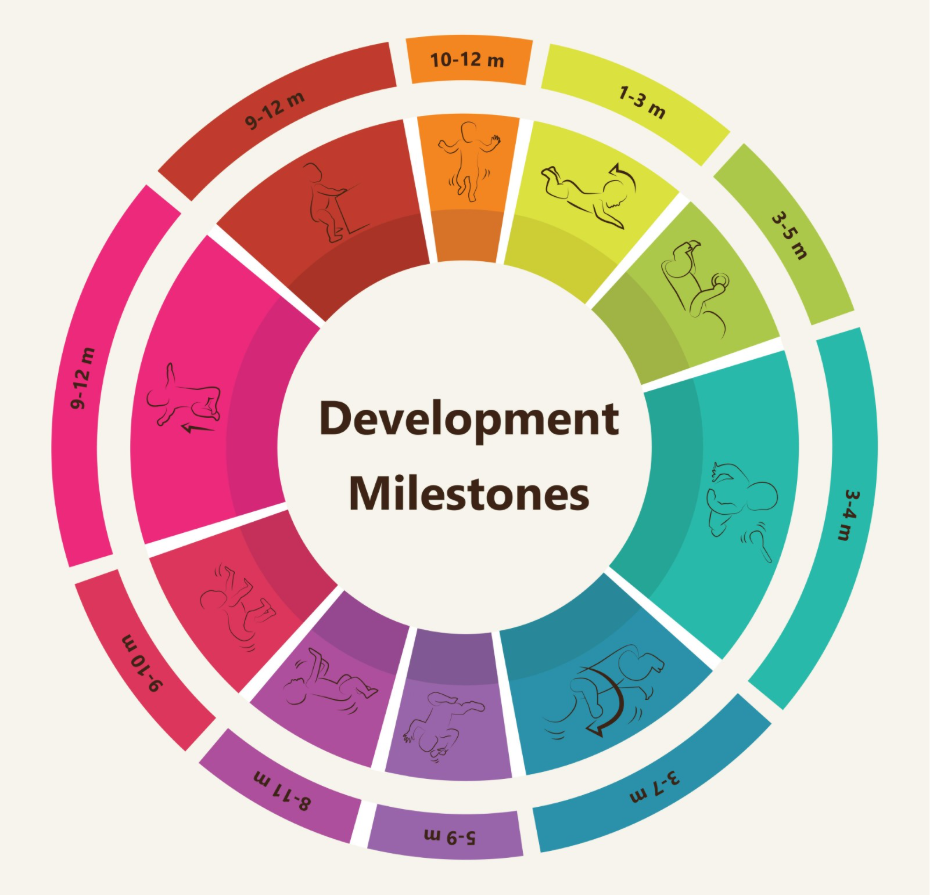
Many factors can cause a temporary lag, such as premature birth, frequent early illnesses, or a lack of environmental stimulation. For these children, the delay is not lifelong; they simply require more time or specific support to bridge the gap. Conversely, if the delay is caused by an underlying neurological injury or a genetic variation, the challenges may persist throughout life. The UK healthcare system utilises routine health visitor reviews to monitor these trajectories. By providing a structured period of observation, the NHS can differentiate between those who will catch up and those who require a life-long management plan. This cautious approach ensures that children are not prematurely labelled with a permanent disability while still receiving the necessary early therapy.
The Role of Neuroplasticity and Early Intervention
Early intervention is highly effective at preventing some developmental delays from becoming lifelong because the infant brain is remarkably adaptable and can form new neural pathways to overcome challenges. This biological flexibility, known as neuroplasticity, is at its peak during the first few years of life. NICE clinical guidelines for developmental monitoring indicate that early access to specialist therapy can significantly improve functional outcomes for children with motor or cognitive lags.
In the United Kingdom, physiotherapists, occupational therapists, and speech therapists work with children to “train” the developing nervous system. For a child with a motor delay, targeted exercises can encourage the brain to coordinate movements more effectively. For those with speech lags, early interaction strategies can stimulate language centres. This proactive support aims to close the developmental gap before the child starts school. While some children may always require a degree of assistance, early intervention often reduces the impact of the delay, allowing for greater independence in later life. The NHS prioritises these services because supporting the brain during its most plastic stage offers the best opportunity for a child to move beyond their initial delays.
When Developmental Delay Indicates a Lifelong Condition
A developmental delay may indicate a lifelong condition if the lag is significant, affects multiple areas of development, or is linked to a permanent injury or genetic change. In these cases, the delay is the early manifestation of a long-term disability, such as a learning disability or a motor disorder like cerebral palsy. The GOV.UK health pages provide clinical profiles indicating that persistent developmental disabilities require integrated, life-long management to support social and functional participation.
| Feature | Temporary Developmental Delay | Lifelong Developmental Condition |
| Duration | Resolves as the child grows. | Persists throughout adulthood. |
| Cause | Often environmental or prematurity. | Often neurological or genetic. |
| UK Support | Short-term therapy (e.g., 6-12 months). | Life-long multidisciplinary care. |
| Goal | Catching up to typical milestones. | Managing symptoms and independence. |
In the United Kingdom, paediatricians look for “red flags” that suggest a delay may not be temporary. These include a loss of previously achieved skills, unusual muscle tone, or a family history of neurological conditions. If a child does not show progress despite intensive therapy, further investigations like genetic testing or brain imaging may be requested. Identifying a lifelong condition early is important because it allows the NHS and local authorities to secure long-term support, such as an Education, Health and Care plan. This ensures that the individual has a consistent framework of care that adapts as they move from childhood into adult life.
Transitioning to a Formal Diagnosis
The transition from a descriptive observation of developmental delay to a formal, lifelong diagnosis typically occurs when the child’s developmental patterns remain atypical over an extended period. In the United Kingdom, this process is handled with care to ensure that the child’s evolving needs are accurately reflected in their medical records.
Factors that influence a formal diagnosis in the UK include:
- Serial Assessments: Monitoring the child’s rate of progress over several years.
- Specialist Investigation: Findings from MRI scans, genetic tests, or metabolic screens.
- School Performance: How the child manages the increasing cognitive demands of the curriculum.
- Adaptive Functioning: The child’s ability to perform daily self-care tasks independently.
For some, the term “global developmental delay” is used until the child is old enough for more specific cognitive testing. In the UK, this often happens around the age of five or six. If the challenges remain significant, the clinical team may then move toward a diagnosis of a learning disability or other neurodevelopmental condition. This structured transition ensures that the support provided remains evidence-based and relevant to the individual’s actual abilities. The NHS provides a safety net throughout this journey, ensuring that therapy continues even while the formal diagnostic labels are being refined.
Integrated NHS Support for Lifelong Challenges
The United Kingdom provides an integrated framework of support for individuals whose developmental challenges are found to be lifelong, ensuring their health, social, and educational needs are met holistically. This system is designed to provide continuity of care as a person moves through different life stages.
The UK integrated support framework involves:
- Multidisciplinary Teams: Coordinated care from doctors, therapists, and specialist nurses.
- Education, Health and Care (EHC) Plans: Legal documents securing support in school and college.
- Transition Services: Planned moves from paediatric services to adult healthcare teams.
- Social Care Assessments: Identifying needs for home adaptations or personal care assistants.
- Financial Assistance: Access to benefits such as Disability Living Allowance or Personal Independence Payment.
In the UK, the goal for those with lifelong conditions is to maximise independence and quality of life. This may involve vocational support to help a young person find employment or advice on independent living. The NHS provides annual health checks for those with learning disabilities to ensure their physical health is managed proactively. By utilising these integrated pathways, the British healthcare system provides a secure environment where individuals with long-term developmental needs are supported as active members of their community. This life-long framework acknowledges that while some challenges remain, the person’s potential for growth and participation continues.
Conclusion
Developmental delay is not always lifelong, as many children in the UK catch up with their peers through early intervention and the brain’s natural plasticity. However, when delays are rooted in permanent neurological or genetic factors, they may represent the early stages of a lifelong condition. The NHS monitors these differences through integrated multidisciplinary teams and routine developmental reviews. Whether a delay is temporary or permanent, following a coordinated management plan ensures that the individual receives the support needed to achieve their full potential. The UK healthcare system provides a life-long framework of support for individuals and their families.
Can a child with global developmental delay ever catch up?
Yes; many children in the UK who receive early therapy and support move into the typical developmental range by school age.
How do I know if my child’s delay is permanent?
Only a specialist paediatrician in the UK can determine this through long-term monitoring and diagnostic tests like MRI or genetic screening.
What is “corrected age” for premature babies?
It is the age a baby would be if they were born on their due date, which the NHS uses to track milestones fairly.
Does a developmental delay mean my child has a learning disability?
Not necessarily; developmental delay is a term for early childhood, whereas a learning disability is a permanent intellectual impairment.
Why does the NHS offer early intervention if the delay might be temporary?
Early therapy supports the brain’s development regardless of the cause, giving every child the best chance to catch up quickly.
What happens to the support when my child turns 18?
In the UK, transition services help move the individual to adult healthcare and social support teams to ensure care continues.
Who should I talk to if I am worried about my child’s progress?
Your health visitor or GP is the first point of contact in the United Kingdom for a developmental review and referral.
Authority Snapshot (E-E-A-T)
This article provides medically factual health education regarding developmental delay and its long-term outlook, strictly aligned with NHS and NICE clinical guidelines. The content is developed by a professional medical writing team and reviewed by Dr. Stefan Petrov, a UK-trained physician with experience in general medicine, surgery, and emergency care. All information follows current UK public health protocols to ensure clinical accuracy and patient safety.
