
Developmental delay can be temporary in many children who eventually catch up with their peers after receiving targeted support or as they overcome early life challenges such as prematurity or illness. In the United Kingdom, the NHS monitors children through a structured system of health visitor reviews to differentiate between transient lags and permanent conditions. Early identification and integrated intervention pathways are essential for supporting a child to reach their full potential.
What We’ll Discuss in This Article
- The distinction between transient developmental lags and permanent conditions.
- Factors that contribute to a child catching up with milestones.
- The impact of prematurity on early developmental timeframes.
- How environmental influences and early illnesses cause temporary delays.
- The role of NHS early intervention in supporting childhood progress.
- Transitioning from a developmental delay observation to a formal assessment.
Transient Lags versus Permanent Developmental Conditions
Developmental delay is often a temporary situation where a child achieves milestones later than average but eventually moves into the typical range for their age group. In the United Kingdom, clinicians use the term to describe a slower rate of progress in infants and toddlers without necessarily implying a long-term disability. The NHS states that a developmental delay is when a child is significantly behind in reaching milestones like sitting up, walking or talking.
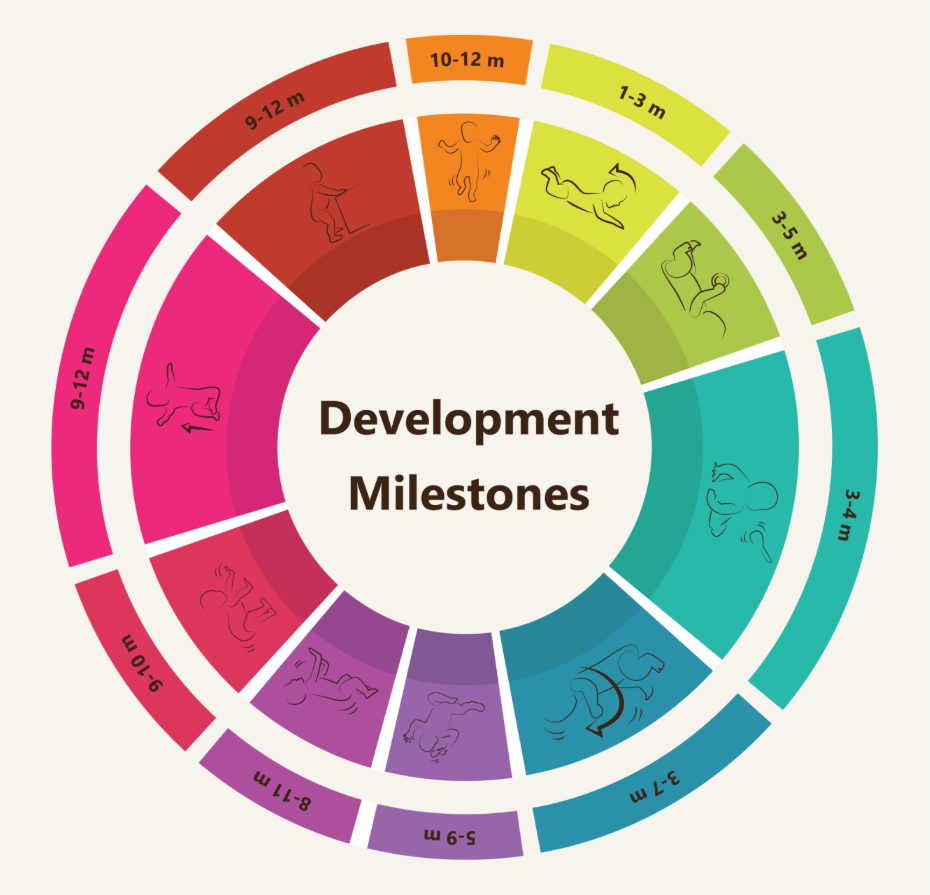
It is important to recognise that a delay is an observation of a child’s current progress rather than a fixed outcome. Some children may experience a “burst” of development after a period of slow progress, particularly as their nervous system matures or after they recover from a minor health issue. The UK healthcare system prioritises “watchful waiting” alongside active therapy to monitor if the delay persists. While some children will be found to have a permanent neurological condition, many others will simply require more time and encouragement. By maintaining regular reviews with health visitors and GPs, the NHS provides a safety net that identifies which children need short-term help and which require long-term multidisciplinary care.
Factors Influencing the Ability to Catch Up
A child’s ability to catch up after a developmental delay depends on various factors, including the underlying cause of the lag, the timing of intervention, and the child’s overall health and environment. In the United Kingdom, early years practitioners focus on providing an enriched environment to help children overcome these initial challenges.
Key factors that support catching up in the UK include:
- Neuroplasticity: The infant brain is highly adaptable and can often form new pathways to overcome early difficulties.
- Early Intervention: Accessing physiotherapy or speech therapy promptly can provide the necessary stimulus for progress.
- Stable Environment: A supportive home life with plenty of opportunities for play and interaction.
- Nutrition and Health: Ensuring the child is physically well and receiving the correct nutrients for brain growth.
In the UK, many children who exhibit a delay in a single area, such as speech or walking, respond very well to targeted support. For example, a child with a slight motor delay might catch up fully after a few months of specialist exercises. The goal of the British healthcare system is to identify these needs early so that the child can enter school on a more equal footing with their peers. This proactive approach acknowledges that while some delays are rooted in biology, many can be significantly improved with the right clinical and social framework.
The Impact of Prematurity on Developmental Timing
Premature birth is a significant factor that often leads to temporary developmental delays, as infants born early are frequently expected to reach milestones according to their “corrected age” rather than their actual birth date. This adjustment accounts for the time the baby missed in the womb, during which critical brain and organ development would have occurred. NICE clinical guidelines for developmental monitoring indicate that for babies born prematurely, developmental milestones should be adjusted for gestational age until they are at least two years old.
| Age Type | Definition | Clinical Use in the UK |
| Chronological Age | Time passed since the actual day of birth. | Used for legal and administrative records. |
| Corrected Age | Chronological age minus the weeks of prematurity. | Used by the NHS to track developmental milestones. |
In the United Kingdom, most premature infants catch up with their peers by the time they are two or three years old. During the first few years, a baby born ten weeks early might not sit up until they are nine or ten months old chronologically, which is typical for their corrected age. The NHS neonatal follow-up programme monitors these infants closely to ensure that their progress remains on a steady trajectory. If a child continues to lag behind even when using their corrected age, further investigations may be required. This structured approach prevents unnecessary alarm while ensuring that premature babies receive the extra support they may need during their early physical and cognitive development.
Environmental Influences and Early Illnesses
Temporary developmental delays can be caused by environmental factors or childhood illnesses that briefly interrupt a child’s ability to practice new skills or interact with their surroundings. Factors such as chronic ear infections (glue ear) or a lack of exposure to varied speech and play can result in a lag that is often reversible once the underlying issue is addressed. The GOV.UK health pages provide clinical profiles indicating that identifying environmental and sensory barriers is a priority for ensuring integrated childhood support.
Environmental and health factors in the UK include:
- Glue Ear: Fluid build-up in the middle ear that can temporarily delay speech and language development.
- Hospitalisation: Frequent or long stays in hospital for unrelated medical issues can disrupt physical milestone practice.
- Limited Stimulation: A lack of opportunities for tummy time or interactive play in the home.
- Sensory Impairments: Correctable issues with vision or hearing that impact how a child processes information.
In the United Kingdom, health visitors work with families to identify these barriers. For example, a child with speech delay caused by glue ear may catch up rapidly once a grommet procedure is performed or the infection clears. Similarly, providing parents with strategies to encourage movement can often resolve a minor motor delay. The NHS focuses on these treatable causes to ensure that children are not incorrectly labeled with a permanent condition when a temporary environmental adjustment is all that is required. This holistic view of development ensures that the support provided is appropriate to the specific cause of the delay.
The Role of NHS Early Intervention and Support
The United Kingdom provides a robust framework of integrated support designed to help children overcome temporary delays through early intervention and multidisciplinary care. This system ensures that children do not have to wait for a formal diagnosis before they can access the therapy and support they need to progress.
The UK integrated support framework involves:
- Health Visitor Reviews: Identifying concerns during routine developmental checks in the community.
- Physiotherapy and Occupational Therapy: Providing exercises to support motor skills and coordination.
- Speech and Language Therapy: Assisting with communication and understanding.
- Portage Services: Home-based educational support for pre-school children with additional needs.
In the UK, these services are often coordinated through a local Child Development Centre. The multidisciplinary team works with the family to set functional goals and monitor the child’s progress. For many children, this period of intensive support is all that is needed to bridge the gap and allow them to catch up with their peers. The NHS also works with nurseries to ensure that children with temporary delays have the right support in their early learning environments. By utilising these integrated pathways, the healthcare system provides a secure environment where childhood development is nurtured and monitored, ensuring that no child is left behind due to a transient lag in their progress.
Conclusion
Developmental delay can be a temporary situation, particularly when influenced by prematurity, environmental factors, or early health challenges. In the UK, the NHS monitors children through the Red Book system and health visitor reviews to identify those who need short-term intervention to catch up. While some children may eventually be found to have a permanent condition, many others thrive and reach typical milestones with targeted multidisciplinary support. Following a coordinated management plan with the help of medical and therapy experts ensures that every child’s developmental journey is supported holistically. The UK healthcare system provides a life-long framework of support for children and their families.
Does a developmental delay always mean my child has a disability?
No; it often describes a temporary lag that can be overcome with time, therapy, or by addressing environmental factors.
How long does it take for a premature baby to catch up?
In the UK, most premature babies catch up with their peers by the age of two or three years old.
What is “corrected age” and why does the NHS use it?
It is the age a baby would be if they had been born on their due date, used to track milestones fairly for premature infants.
Can glue ear cause a permanent speech delay?
While it can cause a significant temporary delay, most children in the UK catch up once their hearing is restored.
What should I do if my child is not meeting milestones?
You should speak to your health visitor or GP, who can perform a developmental review and refer you to a specialist if needed.
Can a lack of play cause a developmental delay?
Yes; children need stimulation and interaction to learn, but they can often catch up quickly once provided with an enriched environment.
Who provides the therapy if my child has a temporary delay?
In the UK, this is usually provided by NHS physiotherapists, occupational therapists, or speech and language therapists in the community.
Authority Snapshot (E-E-A-T)
This article provides medically factual health education regarding the temporary nature of developmental delay, strictly aligned with NHS and NICE clinical guidelines. The content is developed by a professional medical writing team and reviewed by Dr. Stefan Petrov, a UK-trained physician with experience in general medicine, surgery, and emergency care. All information follows current UK public health protocols to ensure clinical accuracy and patient safety.
