
Developmental delay and learning disability are distinct clinical terms used in the United Kingdom to describe different aspects of a child’s progress and long-term cognitive potential. While developmental delay refers to a child reaching milestones later than expected in early childhood, a learning disability is a permanent condition that affects an individual’s intellectual ability and their capacity to manage everyday independent tasks throughout adulthood.
What We’ll Discuss in This Article
- The clinical distinction between temporary delays and permanent disabilities.
- How the NHS identifies developmental milestones in infants and toddlers.
- Defining learning disability within the United Kingdom healthcare framework.
- The transition from a developmental delay observation to a formal diagnosis.
- Integrated multidisciplinary support for cognitive and physical challenges.
- The role of Education, Health and Care plans in the UK system.
Defining Developmental Delay in Early Childhood
Developmental delay is a term used when a child takes longer to achieve milestones such as walking, talking, or socialising compared to other children of the same age. In the United Kingdom, this is often considered a descriptive observation rather than a final diagnosis, as many children eventually catch up with their peers through early intervention. The NHS states that a developmental delay is when a child is significantly behind in reaching milestones like sitting up, walking or talking.
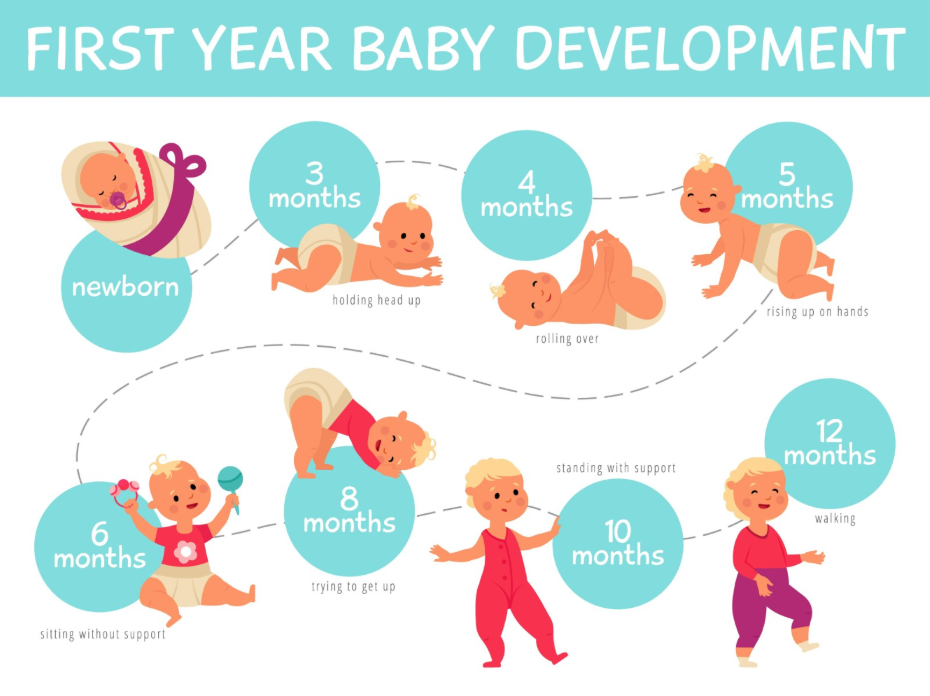
Clinicians typically use the term for children under the age of five because the young brain is highly adaptable. A delay may be “global,” affecting multiple areas, or “specific,” affecting only one area such as gross motor skills or speech. In the UK, health visitors and GPs monitor these lags to decide if a referral to a paediatrician is necessary. Identifying a delay early allows the healthcare system to provide targeted physiotherapy or speech therapy. While some delays are caused by an underlying condition, others may be related to environmental factors or prematurity. This distinction is vital because it determines the intensity and type of support the child receives during their critical early years.
Understanding Learning Disability in the UK
A learning disability is a lifelong condition that begins before adulthood and significantly affects a person’s intellectual development and their ability to learn new skills or live independently. In the United Kingdom, it is categorised as mild, moderate, severe, or profound based on the level of support the individual requires for daily activities. NICE clinical guidelines indicate that a learning disability is characterised by a significant impairment in intellectual functioning and social or adaptive functioning.
Unlike a developmental delay, which may be temporary, a learning disability is permanent and involves a reduced ability to understand complex information or learn new things. It affects the individual’s “adaptive behaviour,” such as managing money, communicating needs, or staying safe. In the UK, specialists such as educational psychologists and paediatricians use standardised assessments to determine if a child has a learning disability. This classification is important for securing long-term social care and educational assistance. It is possible for a child to start with a developmental delay and later be identified as having a learning disability as they mature. The focus in the UK is on providing a framework of support that empowers the person to achieve their highest level of independence.
Comparing Delay and Disability Characteristics
The primary difference between these terms lies in their duration and the specific nature of the challenges the individual faces as they grow. While both impact how a person interacts with the world, the UK medical framework manages them through different pathways of care and monitoring.
| Feature | Developmental Delay | Learning Disability |
| Age of Identification | Usually identified in infants and toddlers. | Often confirmed during school years or later. |
| Duration | May be temporary; child can “catch up.” | A lifelong, permanent condition. |
| Core Impact | Missed milestones (walking, talking). | Intellectual and adaptive functioning. |
| UK Support Focus | Early intervention and therapy. | Long-term social and educational care. |
In the United Kingdom, a child with a developmental delay may show progress that eventually brings them into the typical range for their age. A child with a learning disability will continue to face cognitive challenges that require ongoing adjustments to their environment and education. For example, a delay in speech might be resolved with speech and language therapy. However, if that child also has a learning disability, they may always find it difficult to process complex instructions or engage in abstract reasoning. By differentiating these terms, the NHS ensures that families receive realistic information regarding their child’s developmental trajectory and the type of assistance they can expect from the state.
Transition from Delay to Formal Identification
The transition from a broad observation of developmental delay to a formal identification of a learning disability often occurs during the primary school years in the United Kingdom. As the curriculum becomes more complex, a child’s cognitive and adaptive limitations may become more apparent, prompting a more detailed psychological and educational review. The GOV.UK health pages provide clinical profiles indicating that the monitoring of persistent developmental challenges is essential for coordinating integrated support through childhood.
In the UK, this process involves the school’s Special Educational Needs Coordinator (SENCO) working alongside NHS paediatricians. If a child continues to lag significantly behind their peers despite targeted intervention, they may undergo a formal assessment for a learning disability. This might include IQ testing and evaluations of their daily living skills. For many families, this period can be uncertain, but the UK system provides a “safety net” through the Education, Health and Care (EHC) plan process. An EHC plan ensures that the child’s specific needs are legally recognised and that appropriate funding is provided for their support. This transition ensures that the child moves from early childhood therapy into a structured framework that supports their education and preparation for adult life.
Integrated Multidisciplinary Support Systems
The United Kingdom provides a robust multidisciplinary framework to support children and adults with developmental delays and learning disabilities, ensuring their health and social needs are met holistically. This integrated approach involves various clinical and social care experts working together to provide a consistent care pathway.
The UK integrated support framework involves:
- Community Paediatricians: Coordinating the medical investigation of delays and disabilities.
- Specialist Therapists: Physiotherapists, occupational therapists, and speech therapists.
- Social Workers: Assisting with personal budgets and home support for independent living.
- Educational Psychologists: Assessing learning needs and advising on school support.
- Learning Disability Nurses: Providing specialist health advocacy for adults.
In the UK, these services are often coordinated through local authorities and NHS trusts. For children, the focus is on achieving developmental milestones and succeeding in education. For adults, the focus shifts toward employment support, social inclusion, and maintaining health through annual “learning disability health checks.” This life-long framework ensures that the individual’s needs are addressed as they evolve. By utilising these integrated pathways, the healthcare system provides a secure environment where people with cognitive or physical challenges are supported in achieving their full potential.
Conclusion
Developmental delay describes a lag in early childhood milestones that may be temporary, whereas a learning disability is a permanent intellectual impairment that persists throughout life. In the UK, the NHS monitors these conditions through a structured multidisciplinary pathway to ensure early intervention and long-term social support. While a child may initially be identified with a delay, the transition to a formal disability diagnosis is handled through the school and paediatric system. Following a coordinated management plan with the help of medical and educational experts ensures that the individual’s unique needs are supported. The UK healthcare system provides a life-long framework of support for individuals and their families.
Can a child have both a developmental delay and a learning disability?
Yes; a child may show early developmental delays that are later found to be part of a lifelong learning disability.
Is a learning disability the same as a learning difficulty?
No; in the UK, a “learning difficulty” like dyslexia does not affect general intelligence, whereas a “learning disability” does.
Does prematurity cause a learning disability?
While premature birth is a risk factor for developmental delay, it does not always lead to a permanent learning disability.
What is a learning disability health check?
In the UK, this is a free annual NHS check for adults and young people with a learning disability to ensure their health is managed.
Can developmental delay be cured?
It is not a disease to be cured, but many children catch up with their peers through integrated therapy and support.
Who should I talk to if I am worried about my child’s progress?
In the United Kingdom, your health visitor or GP is the first point of contact for a developmental review and referral.
What is an EHC plan?
It is an Education, Health and Care plan, a legal document in the UK that secures specific support for a child’s learning and health needs.
Authority Snapshot (E-E-A-T)
This article provides medically factual health education regarding developmental delay and learning disability, strictly aligned with NHS and NICE clinical guidelines. The content is developed by a professional medical writing team and reviewed by Dr. Stefan Petrov, a UK-trained physician with experience in general medicine, surgery, and emergency care. All information follows current UK public health protocols to ensure clinical accuracy and patient safety.
