
Infections can cause developmental delay if they disrupt the typical growth of the brain or nervous system during pregnancy, birth, or early childhood. In the United Kingdom, the NHS monitors these risks through routine prenatal screenings and childhood health reviews to identify any potential lags in progress as early as possible. While many infections are managed successfully, some can lead to long-term challenges that require integrated multidisciplinary support and therapy.
What We’ll Discuss in This Article
- The impact of prenatal infections on foetal brain development.
- Identifying neonatal infections and their role in developmental lags.
- Common childhood illnesses that can affect sensory and motor skills.
- The importance of the NHS vaccination programme in preventing delays.
- How the UK diagnostic pathway investigates infection-related challenges.
- Integrated support frameworks for children affected by infectious diseases.
The Impact of Prenatal Infections on Development
Prenatal infections, often referred to as congenital infections, can cause developmental delay by crossing the placenta and interfering with the delicate process of foetal neurological maturation. In the United Kingdom, pregnant women are offered screenings for several of these conditions to minimise the risk to the developing baby. The NHS states that developmental delay can be caused by various factors, including infections during pregnancy such as rubella or cytomegalovirus.
The group of infections known as TORCH (toxoplasmosis, other, rubella, cytomegalovirus, and herpes simplex) are particularly significant because they can lead to structural changes in the brain or sensory impairments. For instance, congenital cytomegalovirus is a leading cause of hearing loss and associated speech delays in UK children. These infections may result in global developmental delay, affecting physical, cognitive, and communication milestones. By identifying these risks during pregnancy, the British healthcare system can provide early monitoring and intervention from birth. This proactive approach ensures that any neurological or sensory lags are addressed during the most adaptable stages of the infant’s development, improving long-term functional outcomes.
Neonatal Infections and Early Neurological Risks
Infections that occur around the time of birth or in the first month of life, known as neonatal infections, can impact a child’s development if they cause inflammation of the brain or surrounding tissues. Conditions such as neonatal sepsis or meningitis are treated as medical emergencies in the United Kingdom to prevent long-term damage to the central nervous system. NICE clinical guidelines indicate that infants who have survived serious neonatal infections should be monitored closely for any signs of developmental or neurological impairment.
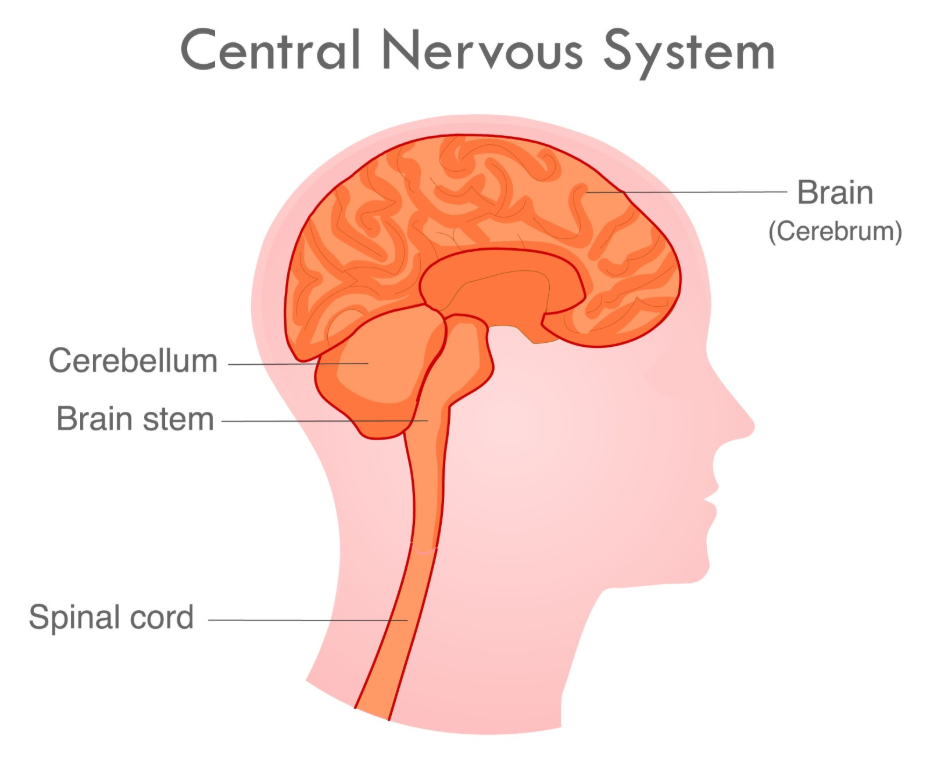
When an infection like meningitis occurs, it can lead to scarring or fluid build-up in the brain, which may manifest later as a motor developmental delay or cognitive challenges. In the UK, babies who have required intensive care for such infections are typically enrolled in a neonatal follow-up programme. This integrated care pathway involves regular reviews by paediatricians and therapists to track physical and social milestones. Early identification of any lags allows the multidisciplinary team to implement targeted physiotherapy or occupational therapy. This framework ensures that the child’s development is nurtured following a serious illness, with the goal of achieving the highest possible level of independence and comfort.
Childhood Illnesses and Sensory Developmental Lags
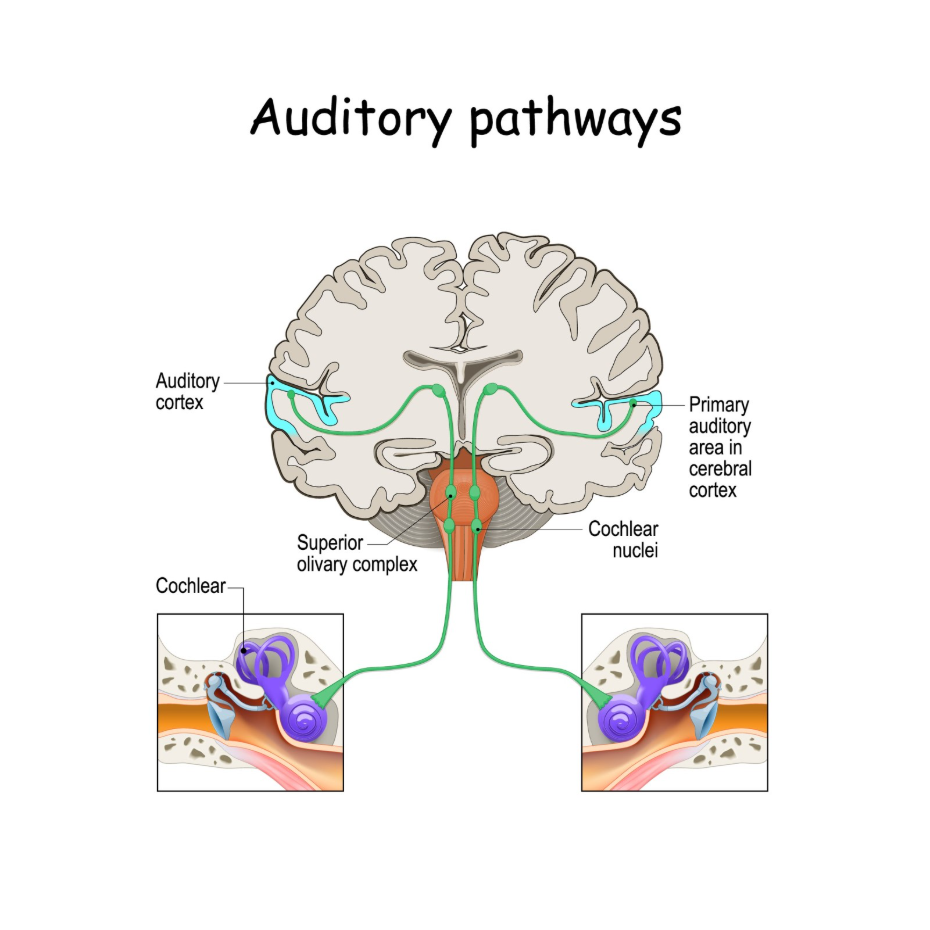
Certain childhood infections can lead to developmental delay by causing temporary or permanent sensory impairments, which in turn hinder the child’s ability to learn and communicate. In the United Kingdom, common issues such as persistent middle ear infections are a frequent cause of speech and language delays in pre-school children. The GOV.UK health pages provide clinical profiles indicating that identifying sensory barriers caused by infection is a priority for ensuring integrated childhood support.
| Infection Type | Potential Developmental Impact | UK Clinical Management |
| Glue Ear | Temporary hearing loss leading to speech lag. | Audiology review; possible grommet surgery. |
| Meningitis | Permanent hearing loss or motor coordination issues. | Specialist neurological and hearing follow-up. |
| Encephalitis | Cognitive and behavioural developmental challenges. | Integrated psychological and therapy support. |
| Measles | Rare risk of brain inflammation (SSPE) and regression. | Prevention through the NHS MMR vaccination. |
“Glue ear” is particularly common and occurs when fluid builds up behind the eardrum after a cold or ear infection. If a child cannot hear clearly during the critical period for language acquisition, their speech development will naturally slow down. In the UK, health visitors and GPs identify these lags and refer children to audiology services for assessment. Once the hearing is restored, many children catch up with their peers, demonstrating that the delay was a secondary effect of the infection. This integrated sensory screening ensures that the NHS diagnostic process is thorough and that treatable barriers to progress are addressed promptly.
The Role of Vaccinations in Preventing Delays
The NHS vaccination programme plays a vital role in preventing developmental delay by protecting children against serious infectious diseases that can cause permanent damage to the brain, hearing, and vision. In the United Kingdom, immunisations are provided at scheduled intervals during early childhood to establish a strong foundation for healthy development.
Preventable infections and their risks in the UK include:
- Mumps: Can cause viral meningitis and permanent hearing loss.
- Rubella: Historically a major cause of congenital heart and brain defects.
- Haemophilus influenzae type b (Hib): A leading cause of bacterial meningitis in young children.
- Measles: Can lead to encephalitis, resulting in long-term cognitive and motor challenges.
By maintaining high rates of immunisation, the UK healthcare system reduces the incidence of these complications across the population. For an individual child, following the vaccination schedule is a key preventative measure for protecting their neurological and sensory health. If a child does contract a vaccine-preventable disease, the NHS provides integrated multidisciplinary support to manage any resulting developmental lags. This public health framework acknowledges that prevention is the most effective way to ensure children reach their developmental milestones without the interruption of serious infectious illness.
The NHS Diagnostic Pathway and Integrated Support
The diagnostic pathway for children showing developmental delay after an infection in the United Kingdom is a coordinated process involving medical examinations, sensory screenings, and therapeutic reviews. This integrated journey ensures that the child’s needs are assessed by various specialists to identify the best way to support their progress.
The UK integrated diagnostic pathway involves:
- Primary Care Review: GPs and health visitors identifying lags in milestones during routine checks.
- Paediatric Assessment: A specialist doctor reviewing the child’s medical and infection history.
- Sensory Screening: Detailed audiology and vision tests to identify any secondary impairments.
- Therapy Reviews: Assessments by physiotherapists, occupational therapists, and speech therapists.
- Multidisciplinary Teams: Specialists meeting at Child Development Centres to coordinate care plans.
In the UK, the focus remains on supporting the child’s functional goals, such as improving communication or physical mobility. If an infection has caused a permanent injury, the child may be eligible for an Education, Health and Care plan to secure additional support in nursery or school. The NHS ensures that families have a consistent point of contact, providing clarity and reassurance during the assessment period. This professional safety net is designed to ensure that the management plan is evidence-based and responsive to the child’s unique history. By utilising these integrated pathways, the healthcare system provides a life-long framework of support that adapts as the child matures.
Conclusion
Infections can cause developmental delay if they affect the brain or sensory organs during pregnancy or early childhood, but the UK provides robust monitoring and prevention systems. Through routine prenatal screenings, the NHS vaccination programme, and health visitor reviews, the risks associated with infectious diseases are managed proactively. Whether an infection causes a temporary lag or a permanent challenge, integrated multidisciplinary support is available to help every child reach their full potential. Following a coordinated management plan with the help of medical and therapy experts ensures that the child’s unique needs are addressed holistically. The UK healthcare system provides a life-long framework of support for children and their families.
Can a simple cold cause a developmental delay?
A single cold is unlikely to cause a delay, but frequent ear infections can lead to glue ear, which may temporarily slow down speech development.
What should I do if my child loses skills after a high fever?
In the UK, a sudden loss of skills (regression) after an illness should be discussed promptly with a GP for a medical review.
Does the MMR vaccine cause developmental issues?
No; extensive UK and international research has shown there is no link between the MMR vaccine and developmental conditions like autism.
How does the NHS check for infections during pregnancy?
Pregnant women in the UK are offered blood tests to screen for infections like syphilis, hepatitis B, and HIV as part of routine care.
Can meningitis cause a permanent physical delay?
Yes; the inflammation caused by meningitis can sometimes result in neurological changes that affect muscle tone and coordination.
Is glue ear always caused by an infection?
It often follows a viral infection like a cold, which causes the tube connecting the ear to the throat to become blocked.
Who should I talk to if I am worried about my child’s progress after they were ill?
In the United Kingdom, your health visitor or GP is the first point of contact for a developmental check and referral.
Authority Snapshot (E-E-A-T)
This article provides medically factual health education regarding the link between infections and developmental delay, strictly aligned with NHS and NICE clinical guidelines. The content is developed by a professional medical writing team and reviewed by Dr. Stefan Petrov, a UK-trained physician with experience in general medicine, surgery, and emergency care. All information follows current UK public health protocols to ensure clinical accuracy and patient safety.
