
Premature birth can cause developmental delay because the brain and nervous system have not had the full duration of pregnancy to mature, making infants more vulnerable to neurological and physical challenges. In the United Kingdom, the NHS monitors premature babies through a structured framework of neonatal follow-up and health visitor reviews. While many premature infants catch up with their peers, early identification of lags ensures they receive integrated multidisciplinary support.
What We’ll Discuss in This Article
- The biological link between premature birth and developmental milestones.
- Understanding the concept of corrected age for tracking progress.
- Identifying physical and gross motor delays in premature infants.
- Challenges in speech, language, and communication development.
- The role of the NHS neonatal follow-up and integrated support.
- Long-term outcomes and the importance of early intervention in the UK.
The Biological Impact of Prematurity on Development
Premature birth, defined as occurring before 37 weeks of pregnancy, can interrupt the critical final stages of brain development, leading to a higher likelihood of developmental delay compared to full-term infants. During the third trimester, the brain undergoes rapid growth and complex folding, which is essential for establishing the neural pathways required for movement and learning. The NHS states that while most babies born prematurely will develop normally, they are at an increased risk of developmental problems.
In the United Kingdom, clinicians recognise that the earlier a baby is born, the greater the potential impact on their development. Preterm infants are more susceptible to issues such as periventricular leukomalacia, which involves damage to the white matter of the brain, or intraventricular haemorrhage. These neurological factors can result in delays across several domains, including physical coordination and cognitive processing. By understanding these biological risks, the UK healthcare system prioritises close monitoring for babies born very preterm or with low birth weights. This proactive approach allows for early therapeutic stimulation while the infant’s brain is at its most adaptable. Integrated neonatal care aims to support the baby’s maturation outside the womb to minimise the long-term impact on their developmental trajectory.
Understanding Corrected Age and Milestone Tracking
Corrected age is a clinical adjustment used by health professionals in the United Kingdom to assess a premature baby’s milestones based on their original due date rather than their actual birth date. This adjustment accounts for the time the infant missed in the womb and provides a more accurate reflection of their developmental progress during the first two years of life. NICE clinical guidelines for developmental monitoring indicate that for babies born prematurely, developmental milestones should be adjusted for gestational age until they are at least two years old.
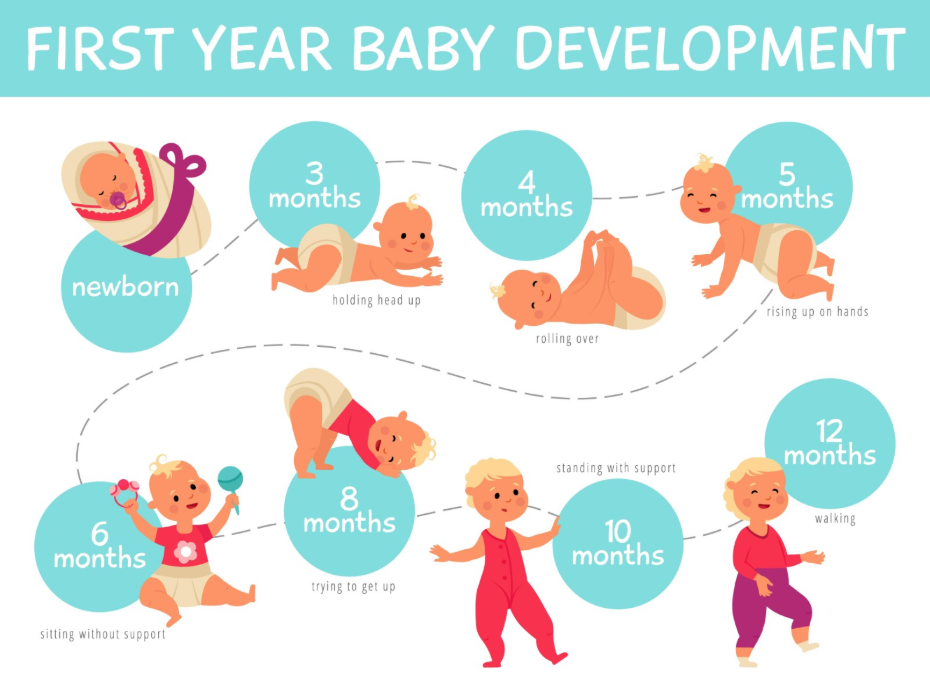
| Terminology | Definition | Practical Application |
| Chronological Age | Age calculated from the actual day of birth. | Used for legal records and immunisation schedules. |
| Corrected Age | Chronological age minus the weeks of prematurity. | Used by the NHS to track developmental progress. |
If a baby was born three months early, their developmental expectations at six months chronological age would be compared to those of a three-month-old. This prevents unnecessary alarm when a premature baby does not meet milestones at the same chronological time as full-term infants. In the UK, health visitors use the Red Book to track these adjusted targets. It is expected that most premature babies will catch up to their chronological age by their second or third birthday. This structured monitoring ensures that clinicians can identify when a lag persists beyond the expected corrected timeframe, triggering a referral for a specialist paediatric review.
Physical and Gross Motor Delays in Preterm Infants
Physical developmental delay is common in premature infants because their muscle tone and balance mechanisms may take longer to mature, affecting their ability to sit, crawl, and walk. In the United Kingdom, paediatric physiotherapists monitor these motor skills closely during neonatal follow-up appointments to identify any unusual patterns of movement. The GOV.UK health pages provide clinical profiles indicating that the monitoring of motor challenges in preterm infants is a priority for ensuring integrated neuro-disability support.
Preterm babies may exhibit hypotonia (low muscle tone) or hypertonia (stiff muscles) as their nervous system develops. These variations can make it challenging for them to support their own head or achieve a stable sitting position. In the UK, the multidisciplinary team provides positioning advice and exercises to encourage physical progress. Some infants may require specialist equipment or orthotic support to assist with their mobility. While many premature babies eventually reach their motor targets, the NHS provides a safety net for those who require ongoing physical therapy. This integrated support focuses on enhancing the child’s independence and prevents secondary musculoskeletal complications as they grow.
Speech, Language, and Communication Challenges
Premature birth can also affect the development of speech and language, as the auditory processing centres and the muscles required for vocalisation may need additional time to mature. In the United Kingdom, speech and language therapists are part of the integrated care team for premature infants, providing support for both communication and early feeding difficulties.
Common communication indicators in the UK include:
- Auditory Processing: Babies may be more sensitive to noise or take longer to respond to voices.
- Early Interaction: Lags in social smiling or babbling compared to corrected age targets.
- Vocabulary Growth: Fewer words used by the age of two even when corrected for prematurity.
- Understanding: Difficulty following simple instructions as the child reaches toddlerhood.
In the UK, every newborn, including those born prematurely, undergoes a hearing screening shortly after birth. If a communication delay is suspected, the NHS provides pathways for specialist audiology and speech therapy reviews. Early intervention focuses on encouraging interaction through play and specific language stimulation strategies. Because communication is vital for social and educational success, the UK system prioritises early support to help premature children bridge the gap before they start school. This holistic approach ensures that any challenges are managed alongside the child’s physical and cognitive development.
The Role of NHS Neonatal Follow-up and Support
The United Kingdom provides a robust framework of neonatal follow-up and integrated community support to monitor the long-term health and development of babies born prematurely. This coordinated process involves various specialists working together to ensure that the child and their family receive consistent care from the hospital to the home.
The UK integrated support framework involves:
- Neonatal Consultants: Leading regular medical reviews in the first years of life.
- Health Visitors: Providing community-based monitoring and guidance for parents.
- Community Paediatricians: Investigating persistent delays and coordinating specialist care.
- Integrated Therapy Teams: Physiotherapists, occupational therapists, and speech therapists.
In the UK, babies born before 30 weeks or those with specific health needs are typically enrolled in a formal neonatal follow-up programme. These clinics assess the child at key intervals, such as at two years of age, using standardised developmental tools. If a delay is identified, the team coordinates a management plan that may include an Education, Health and Care (EHC) plan for future school support. This joined-up care ensures that the child’s medical history is integrated with their current therapy needs. By utilising these pathways, the NHS provides a secure and evidence-based environment for premature children to thrive.
Conclusion
Premature birth is a recognised cause of developmental delay due to the interruption of late-stage brain maturation, but the UK healthcare system provides integrated monitoring to manage these risks. By using corrected age, the NHS ensures that a child’s progress is tracked fairly and accurately during their early years. While many premature infants catch up with their peers, those with persistent challenges are supported by multidisciplinary teams including paediatricians and therapists. Following a coordinated management plan ensures that any physical, communication, or cognitive lags are addressed through early intervention. The UK healthcare system provides a life-long framework of support for children and their families.
What is the most common developmental delay in premature babies?
Lags in gross motor skills and speech and language are frequently identified in premature infants in the United Kingdom.When should a premature baby catch up to their peers?
When should a premature baby catch up to their peers?
Most premature infants in the UK are expected to catch up to their chronological age by the time they are two or three years old.
Does prematurity mean my child will have a learning disability?
Not necessarily; while prematurity is a risk factor, many children develop typical cognitive abilities with the right support.
Why does the health visitor use a different age for my baby?
They use “corrected age” to account for prematurity, ensuring milestones are assessed based on when the baby was due.
Can premature birth affect a baby’s feeding?
Yes; in the UK, speech and language therapists often help premature babies who struggle with the coordination needed for safe feeding.
Who should I talk to if I am worried about my premature child’s progress?
Your health visitor or the neonatal follow-up team are the primary points of contact in the United Kingdom.
What is the “heel prick” test for premature babies?
It is a routine NHS screening for all newborns that checks for rare but serious health conditions that can affect development.
Authority Snapshot (E-E-A-T)
This article provides medically factual health education regarding the impact of premature birth on development, strictly aligned with NHS and NICE clinical guidelines. The content is developed by a professional medical writing team and reviewed by Dr. Stefan Petrov, a UK-trained physician with experience in general medicine, surgery, and emergency care. All information follows current UK public health protocols to ensure clinical accuracy and patient safety.
