
Early signs of global developmental delay involve a child consistently missing milestones in two or more areas of development, such as movement, speech, and social interaction. In the United Kingdom, the NHS identifies these indicators through a structured system of health visitor reviews and the Personal Child Health Record. Recognising these overlapping lags early allows for a coordinated clinical investigation and the implementation of integrated multidisciplinary support for the child.
What We’ll Discuss in This Article
- Identifying early gross motor and physical red flags in infants.
- Recognising speech and communication lags in toddlers.
- Social and emotional indicators of global developmental delay.
- Fine motor challenges and hand-eye coordination signs.
- Cognitive milestones and problem-solving indicators.
- Accessing integrated NHS support pathways for multiple delays.
Early Gross Motor and Physical Indicators
Early signs of physical delay often include an infant taking longer than average to achieve head control, sitting independently, or moving their limbs with coordination. In the United Kingdom, these are frequently the first indicators of a broader developmental challenge noted during routine checks. The NHS states that global developmental delay is when a child takes longer to reach certain milestones than other children their age in two or more areas.
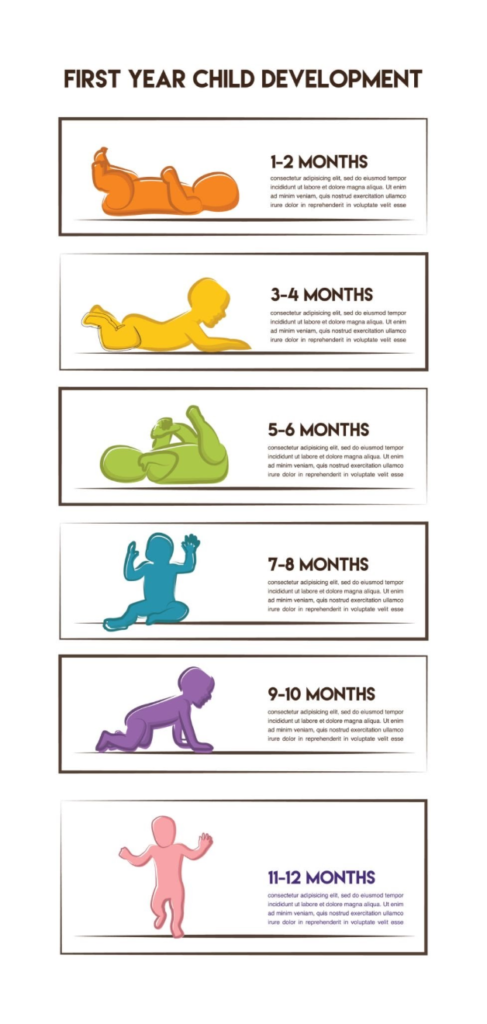
A child showing signs of global delay may appear noticeably “floppy” (hypotonia) or unusually stiff (hypertonia) in their muscles. Specific red flags include an infant who cannot hold their head steady by four months or a baby who is not sitting without support by nine months. For older infants, not attempting to crawl or “cruise” by their first birthday is a significant physical indicator. When these physical lags occur alongside delays in other areas, such as communication, it points toward a global rather than a specific delay. The UK healthcare system prioritises these physical signs for referral to a paediatrician to assess neurological maturation. Early identification allows for targeted physiotherapy to support the child’s physical independence.
Communication and Speech Red Flags
Communication signs of global developmental delay involve a child struggling to produce sounds, understand simple instructions, or use gestures to share their needs. Speech is a complex area that relies on both motor control and cognitive processing, making it a common domain affected in global lags. NICE clinical guidelines for developmental monitoring indicate that persistent lags in multiple areas of development should prompt a referral for a specialist paediatric assessment.
In the United Kingdom, clinicians look for a lack of babbling by six months or a failure to respond to their own name by nine months. By twelve months, a child should typically be using simple gestures like waving goodbye or pointing at objects. A significant indicator of global delay is a child not using single words by 18 months or not joining two words together by the age of two. If these communication challenges are seen in conjunction with motor delays, the NHS diagnostic pathway will often include an audiology review to ensure hearing is not a contributing factor. Integrated support in the UK focuses on providing speech and language therapy to bridge these gaps. Early intervention helps reduce the frustration associated with communication barriers.
Social and Emotional Interaction Signs
Social signs of global developmental delay affect how a child interacts with their primary carers and peers, reflecting their emotional maturation and cognitive growth. In the United Kingdom, these markers are closely monitored because social engagement is fundamental to learning and overall wellbeing. The GOV.UK health pages provide clinical profiles indicating that the early identification of social communication lags is a priority for ensuring integrated educational and social support.
Early social indicators in the UK include:
- Social Smiling: Not smiling back at parents or carers by the age of three months.
- Eye Contact: Inconsistency in making or maintaining eye contact during feeding or play.
- Shared Interest: Lack of interest in interactive games like “peek-a-boo” by nine months.
- Imitation: Not copying simple actions like clapping or waving by twelve months.
- Social Play: Preferring to play alone and showing limited interest in other children by age two.
When a child exhibits several of these social red flags alongside physical or speech delays, it suggests a broader impact on their development. In the UK, health visitors use these signs to decide if a child needs a review at a Child Development Centre. The multidisciplinary team assesses whether the social lag is related to a specific condition or part of a global delay. Supporting social skills early helps the child prepare for transition into nursery and school environments.
Fine Motor and Cognitive Development Markers
Fine motor and cognitive signs of delay involve a child struggling with precision tasks, such as grasping small objects, or showing limited curiosity and problem-solving abilities. These skills are often linked because a child uses their hands to explore and learn about the world around them.
| Developmental Area | Sign observed in the UK | Milestone Target |
| Fine Motor | Struggles to pick up small items. | Pincer grip by 12 months. |
| Cognitive | Does not look for hidden objects. | Object permanence by 9 months. |
| Problem Solving | Cannot follow simple instructions. | Understands 1-step tasks by 15 months. |
| Daily Living | Difficulty holding a spoon or cup. | Basic self-feeding by 18 months. |
In the United Kingdom, an occupational therapist may assess these markers by observing how a child plays with blocks or manipulates toys. A cognitive red flag would be a child who does not understand “cause and effect,” such as shaking a rattle to make a noise. If a child has difficulty with these fine motor tasks as well as gross motor skills and speech, it provides strong evidence for a global developmental delay. The NHS provides integrated support to develop these precision skills, which are essential for future literacy and independence. Early intervention focusing on cognitive play can stimulate the brain’s learning pathways.
Integrated NHS Diagnostic and Support Pathway
The United Kingdom provides an integrated multidisciplinary pathway for children showing signs of global developmental delay, ensuring they receive a thorough assessment and coordinated support across all affected domains. This process moves from community observations to specialist medical investigations to identify any underlying causes.
The UK integrated pathway involves:
- Red Book Monitoring: Parents and health visitors documenting milestones in the community.
- Paediatric Assessment: A specialist doctor conducting a full medical and neurological exam.
- Sensory Screening: Audiology and vision tests to rule out sensory barriers to progress.
- Diagnostic Testing: Blood tests for genetic or metabolic conditions if multiple delays are present.
- Multidisciplinary Reviews: Specialists meeting to coordinate a single management plan.
This coordinated system ensures that families have a consistent point of contact, often a specialist nurse or lead paediatrician. In the UK, early intervention is prioritised, with many children accessing therapy while diagnostic investigations are still ongoing. This might include an Education, Health and Care plan to secure additional help in nursery or school settings. By utilising these integrated pathways, the healthcare system provides a life-long framework of support that adapts as the child’s needs change. This approach ensures that the child’s physical, communication, and cognitive needs are addressed holistically.
Conclusion
Early signs of global developmental delay include persistent lags in at least two areas, such as physical mobility, speech, and social interaction. In the UK, the NHS identifies these patterns through routine health visitor reviews and the Red Book monitoring system. Significant muscle tone differences and a lack of social engagement are also key indicators that require a specialist paediatric review. Following an integrated management plan with a multidisciplinary team ensures that all affected areas of development are supported effectively. The UK healthcare system provides a life-long framework of support for children and their families.
Does a delay in two areas always mean a child has a permanent disability?
Not necessarily; many children in the UK catch up across all areas with early intervention and multidisciplinary support.
What should I do if my baby is not sitting up at nine months?
In the UK, you should mention this to your health visitor or GP, as it is an early physical milestone red flag.
Why does the doctor check for hearing if my child has a physical delay?
When multiple delays are present, the NHS rules out sensory issues to ensure nothing is hindering communication or coordination.
What is a “global” delay compared to a “specific” delay?
A global delay affects two or more areas (like walking and talking), whereas a specific delay affects only one area.
Can a child outgrow global developmental delay?
Many children who receive integrated therapy and educational support in the UK catch up with their peers by school age.
Who is the best person to talk to if I am worried about multiple milestones?
In the United Kingdom, your health visitor or GP is the first point of contact for a developmental check and referral.
What happens at a Child Development Centre?
It is an NHS hub where specialists like paediatricians and therapists work together to assess and support children with additional needs.
Authority Snapshot (E-E-A-T)
This article provides medically factual health education regarding the early signs of global developmental delay, strictly aligned with NHS and NICE clinical guidelines. The content is developed by a professional medical writing team and reviewed by Dr. Stefan Petrov, a UK-trained physician with experience in general medicine, surgery, and emergency care. All information follows current UK public health protocols to ensure clinical accuracy and patient safety.
