
Global developmental delay is identified through a structured process of monitoring a child’s progress across multiple areas, including physical movement, speech, and cognitive skills, to ensure they reach expected milestones. In the United Kingdom, the NHS utilises a framework of routine health visitor reviews and the Personal Child Health Record to track these indicators. Identifying lags in at least two developmental areas triggers a coordinated referral for specialist paediatric investigation.
What We’ll Discuss in This Article
- The role of routine health visitor reviews and the Red Book.
- Identifying milestone lags across multiple developmental domains.
- How GPs and paediatricians conduct initial clinical examinations.
- The importance of sensory screenings for hearing and vision.
- Utilising specialist diagnostic tests to investigate underlying causes.
- The integrated multidisciplinary approach to confirming a global delay.
Routine Monitoring and the Health Visitor Framework
The identification of global developmental delay in the United Kingdom primarily begins with routine health visitor reviews that monitor a child’s progress from birth through the first few years of life. These scheduled check-ups are designed to screen for developmental variations and ensure that any concerns are addressed promptly within the community setting. The NHS states that global developmental delay is when a child takes longer to reach certain milestones than other children their age in two or more areas.
During these appointments, health visitors use the Personal Child Health Record, commonly known as the Red Book, to document the child’s growth and developmental achievements. Parents are encouraged to record when their child reaches specific targets, such as smiling, sitting, or using their first words. If a child is consistently falling behind in two or more categories, such as gross motor skills and communication, the health visitor will discuss these patterns with the family. This community-based screening acts as a vital first step in the identification process, ensuring that every child in the UK has their development formally assessed at key intervals. By catching these lags early, the healthcare system can initiate the necessary pathways for specialist review and integrated support.
Identifying Lags Across Multiple Developmental Domains
Identifying a global delay requires a comprehensive review of the child’s abilities across different functional areas, as a delay is only classified as “global” when it affects at least two distinct streams of development. In the United Kingdom, clinicians assess five main categories to determine the extent of a child’s challenges and to plan appropriate multidisciplinary intervention. NICE clinical guidelines for developmental monitoring indicate that persistent lags in multiple areas of development should prompt a referral for a specialist paediatric assessment.
| Developmental Stream | Typical Milestones Monitored | Examples of Lags in the UK |
| Gross Motor | Sitting, crawling, and walking. | Not walking independently by 18 months. |
| Fine Motor | Grasping, feeding, and drawing. | Difficulty using a pincer grip by 12 months. |
| Speech and Language | Babbling, first words, and phrases. | No single words used by 18 months. |
| Cognitive | Problem-solving and learning. | Limited curiosity or interest in toys. |
| Social-Emotional | Interaction and emotional cues. | Lack of eye contact or social smiling. |
UK health professionals look for patterns where a child is behind in several of these areas simultaneously. For example, a child may have difficulty both with physical mobility and with understanding simple instructions. This combined evidence suggests that the delay is not an isolated issue but involves a broader impact on the child’s overall maturation. By identifying these overlapping challenges, the NHS can refer the child to a community paediatrician for a more detailed medical review. This integrated approach ensures that the child’s needs are considered holistically rather than focusing on a single symptom.
Initial Medical Review and Physical Examination
Once a potential global delay is identified by a health visitor, the child undergoes an initial medical assessment by a GP or a paediatrician to conduct a thorough physical and neurological examination. This clinical review is essential for identifying any immediate medical reasons for the lag and for assessing the child’s overall neurological health.
The doctor will review the child’s medical history, including details about the pregnancy, birth, and any early illnesses or hospitalisations. They will check the child’s muscle tone, reflexes, and coordination to see if there are signs of hypertonia or hypotonia. In the United Kingdom, the paediatrician also observes the child’s behaviour and how they interact with their environment during the consultation. This stage is vital for identifying “red flags” that might suggest an underlying condition such as a genetic variation or a birth injury. Based on these clinical findings, the doctor will coordinate the next steps in the diagnostic pathway, which may include sensory screenings or blood tests. This professional oversight ensures that the identification process is grounded in medical evidence and tailored to the child’s unique history.
Sensory Screening for Hearing and Vision
Sensory screenings for hearing and vision are mandatory components of the identification pathway for global developmental delay in the United Kingdom to ensure that sensory impairments are not hindering the child’s progress. If a child cannot hear or see clearly, they will naturally struggle to achieve milestones in communication, social interaction, and physical coordination.
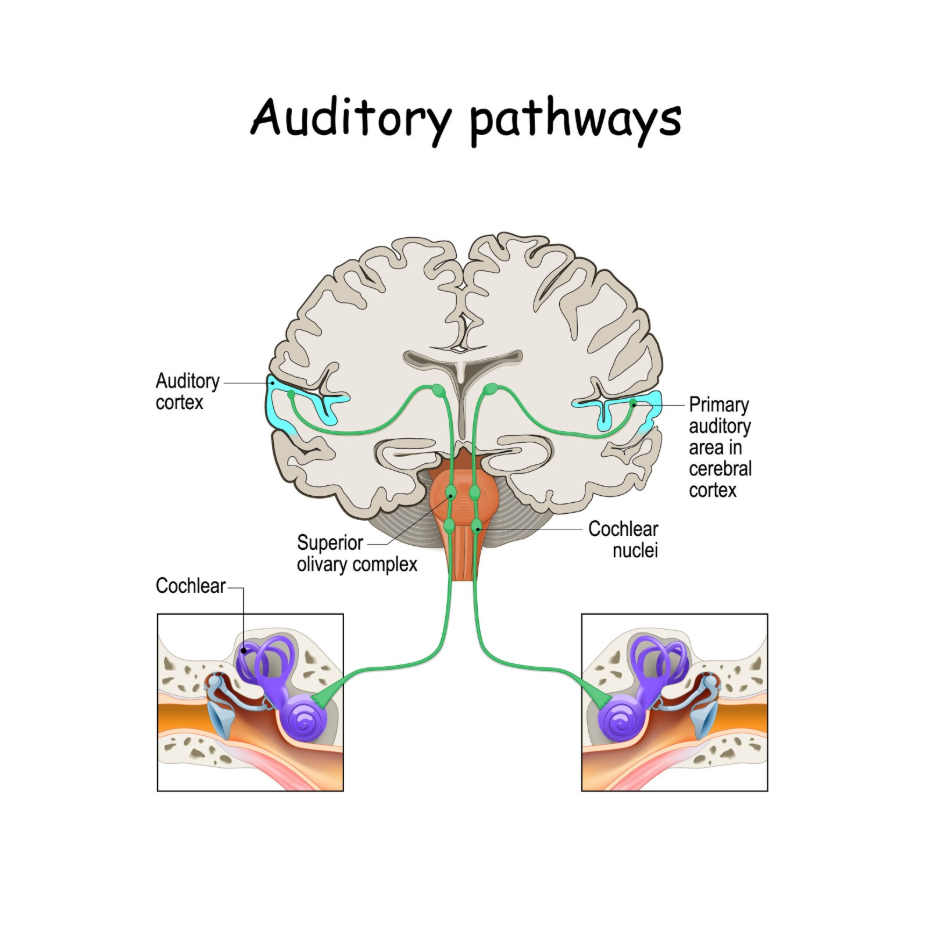
In the UK, audiology and vision tests are typically conducted early in the investigation process. These assessments use age-appropriate methods to check how the child responds to sounds or tracks visual objects. For instance, a child with persistent fluid in the ear (glue ear) may exhibit speech and social lags that improve once the hearing issue is addressed. Ruling out these primary sensory barriers is essential for making an accurate clinical identification of a global delay. If the child’s hearing and vision are found to be typical for their age, the diagnostic team can then focus more closely on potential neurological or genetic factors. This integrated sensory screening ensures that the NHS identification process is thorough and that no treatable physical barriers are overlooked.
Specialist Investigations and Diagnostic Testing
Specialist investigations, including genetic screening and metabolic testing, are used by UK paediatricians to search for an underlying cause for a child’s global developmental delay. These tests are particularly important when a child is behind in multiple areas, as they can identify biological factors that affect broad neurological development. The GOV.UK health pages provide clinical profiles indicating that genomic and metabolic screening is a standard part of investigating complex or unexplained developmental disabilities in children.
In the United Kingdom, these investigations may include:
- Chromosomal Microarray: A blood test to look for small additions or deletions in the child’s DNA.
- Metabolic Screens: Blood and urine tests to check for chemical imbalances that affect the brain.
- Brain Imaging: Using MRI scans to examine the physical structure of the brain for any abnormalities.
- Specific Syndrome Testing: Targeted tests if the child has physical features associated with a known condition.
These tests help the clinical team understand if the delay is part of a lifelong condition or a temporary lag. While identifying a specific cause is helpful for planning future support, the identification of a global delay is often made based on the child’s functional progress even before these test results are available. The NHS ensures that these complex investigations are managed by specialists, providing families with clarity and a clear pathway for ongoing care. This coordinated medical investigation ensures that the management plan is evidence-based and responsive to the child’s biological profile.
The Integrated Multidisciplinary Approach
The identification of global developmental delay in the United Kingdom is finalised through an integrated multidisciplinary approach where various specialists share their findings to confirm the child’s developmental status. This collaborative model ensures that the identification is based on a comprehensive body of evidence from different clinical perspectives.
The UK multidisciplinary team (MDT) involves:
- Paediatricians: Coordinating the overall diagnostic and medical pathway.
- Specialist Therapists: Physiotherapists, occupational therapists, and speech therapists.
- Specialist Nurses: Providing support and a consistent point of contact for the family.
- Educational Specialists: Advising on any additional help needed in nursery or school.
In the UK, these specialists often meet at a Child Development Centre to discuss the child’s assessments and progress. This ensures that the identification of a global delay accounts for the child’s physical, communication, and cognitive challenges in a joined-up way. Once the team has reached a conclusion, they meet with the parents to explain the identification and discuss the integrated management plan. This may include the creation of an Education, Health and Care plan to secure long-term support. By utilising these integrated pathways, the healthcare system provides a robust and evidence-based framework that supports the child and their family throughout the identification journey and beyond.
Conclusion
Global developmental delay is identified through a coordinated process of community monitoring, physical examinations, and specialist investigations by the NHS. In the UK, the identification relies on tracking milestones across multiple domains and utilising a multidisciplinary team to assess the child holistically. Sensory screenings and diagnostic tests such as genetic screening are used to search for underlying causes and to plan integrated support. Following a coordinated management plan with the help of medical and therapy experts ensures that the child’s unique needs are addressed effectively. The UK healthcare system provides a life-long framework of support for children and their families.
At what age is global developmental delay usually identified?
Lags are often noticed in the first two years during routine health visitor checks, but a formal identification depends on specialist reviews.
Does identifying a global delay mean my child has a permanent disability?
Not necessarily; many children in the UK catch up across all areas with early intervention and multidisciplinary support.
Why does my child need a hearing test for a global delay?
Hearing issues can impact speech and social skills, so the NHS rules this out as a priority in the identification process.
What is a Child Development Centre?
It is a specialist NHS hub where various therapists and doctors work together to assess and support children with additional needs.
How is global delay different from autism?
Global delay refers to broad lags in milestones, whereas autism is a specific neurodevelopmental condition affecting social communication.
What happens if a specific cause is not found?
The NHS continues to provide integrated therapy and support based on the child’s functional needs, even without a specific diagnosis.
Who is the best person to talk to if I am worried about multiple milestones?
In the United Kingdom, your health visitor or GP is the first point of contact for a developmental review and referral.
Authority Snapshot (E-E-A-T)
This article provides medically factual health education regarding the identification of global developmental delay, strictly aligned with NHS and NICE clinical guidelines. The content is developed by a professional medical writing team and reviewed by Dr. Stefan Petrov, a UK-trained physician with experience in general medicine, surgery, and emergency care. All information follows current UK public health protocols to ensure clinical accuracy and patient safety.
