
The development of primary brain tumours is generally not linked to common lifestyle habits, as these growths typically result from random genetic mutations rather than specific external behaviours. While lifestyle factors such as diet, exercise, and smoking are strongly associated with other types of cancer, current scientific evidence in the United Kingdom does not establish a causal relationship between these habits and the development of intracranial masses. Healthcare professionals focus on providing factual reassurance to patients by clarifying which risks are medically recognised and which remain speculative. This article examines the biological drivers of brain tumours and explains why standard preventative lifestyle advice for other conditions does not apply to this specific area of neurology. By following evidence-based protocols established by the NHS and NICE, clinicians provide a structured framework for understanding risk while ensuring that patients receive accurate information regarding the known influences on brain health.
What We’ll Discuss in This Article
- The limited role of lifestyle factors in primary brain tumour development.
- Scientific research regarding diet, exercise, and neurological risk.
- Clarifying the lack of evidence linking smoking and alcohol to brain tumours.
- How the blood brain barrier protects against certain environmental influences.
- Established medical risk factors that outweigh lifestyle choices.
- UK clinical perspectives on maintaining general health during neurological care.
Lifestyle Habits and Scientific Evidence
Current medical research in the United Kingdom indicates that there is no proven link between specific lifestyle habits and the risk of developing a primary brain tumour. Unlike lung or bowel cancer, where behaviours like smoking or diet play a significant role, brain tumours appear to develop independently of most daily choices. The NHS states that there are no proven ways to prevent brain tumours through lifestyle changes because the causes are mostly unknown.
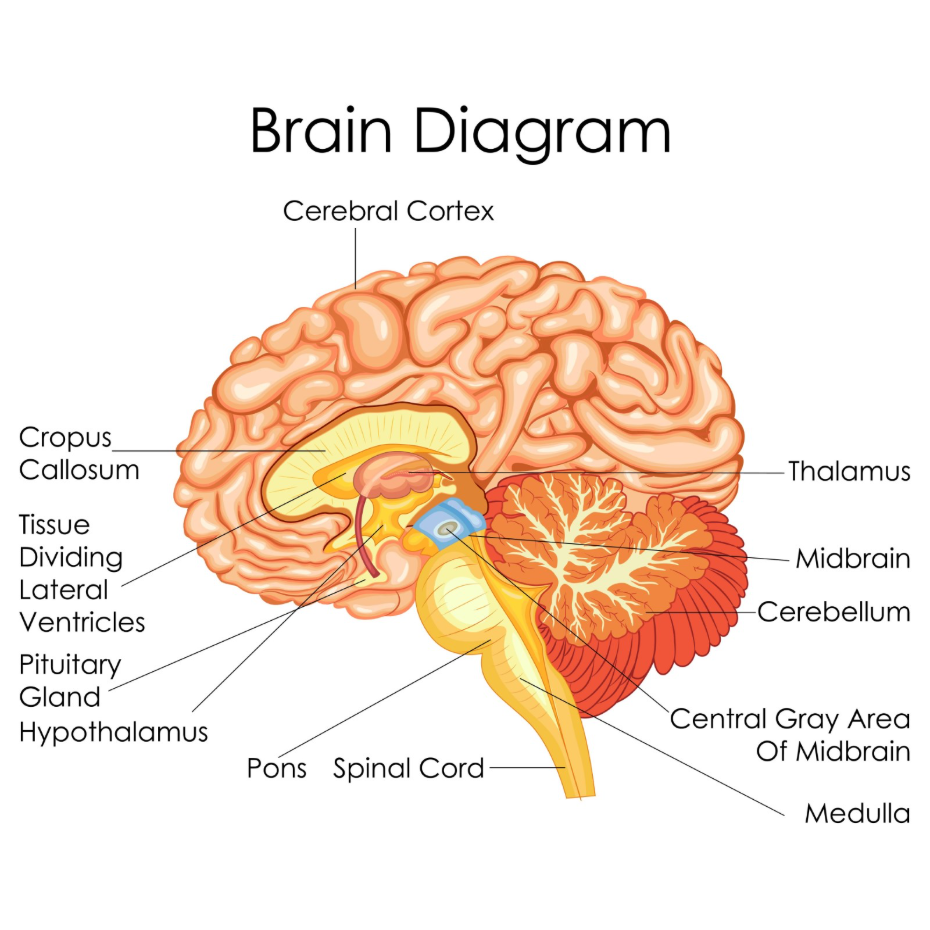
While maintaining a healthy weight and being physically active are vital for overall wellbeing, they do not provide a documented shield against the genetic mutations that lead to brain cell abnormalities. UK clinical standards prioritise transparency, ensuring that patients do not feel a sense of personal responsibility for their diagnosis based on past habits. The focus of the UK medical community remains on identifying structural and biological markers rather than attempting to find lifestyle triggers that have not been supported by large scale epidemiological data.
The Role of Diet and Physical Activity
There is no consistent clinical evidence to suggest that specific dietary choices or levels of physical activity influence the likelihood of a brain tumour forming. Various studies have investigated the impact of vitamins, antioxidants, and processed meats, but none have shown a definitive increase or decrease in risk within the UK population. NICE clinical guidelines for brain tumours indicate that there are no established lifestyle risk factors that require modifications for the prevention of the condition.
| Feature | Impact on General Cancer Risk | Impact on Brain Tumour Risk |
| Healthy Diet | Significant reduction in many types. | No proven preventative effect. |
| Regular Exercise | Lowers risk for various cancers. | No proven preventative effect. |
| Smoking Cessation | Critical for lung and throat health. | No proven link to primary tumours. |
| Alcohol Reduction | Lowers risk of liver and breast cancer. | No proven link to primary tumours. |
Physical activity is highly recommended for managing recovery and maintaining cardiovascular health, but it does not alter the underlying cellular mechanisms that govern intracranial cell division. In the United Kingdom, clinicians encourage patients to follow standard healthy living guidelines for their general health, but they do not suggest these measures as a preventative strategy for brain tumours. The biological complexity of the brain suggests that its cellular health is governed by factors more complex than nutritional intake alone.
Smoking, Alcohol, and Neurological Health
Smoking and alcohol consumption, while major risk factors for many systemic diseases, are not established as causes for primary brain tumours in the United Kingdom. Although tobacco smoke contains numerous carcinogens that enter the bloodstream, they do not appear to trigger the specific mutations in brain tissue required for tumour development. The GOV.UK health pages provide clinical profiles indicating that smoking is not a recognised risk factor for primary brain tumours in the UK population.
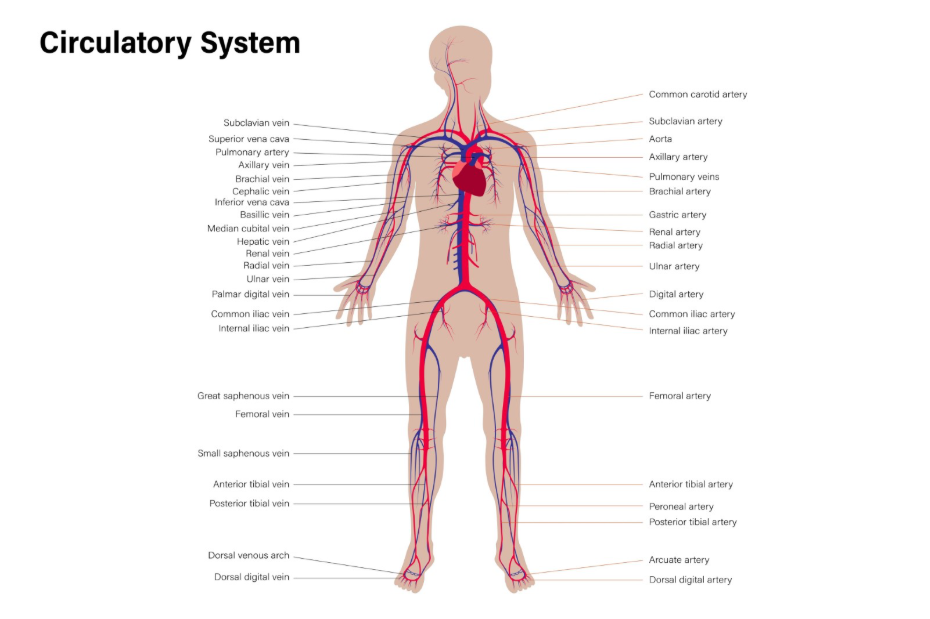
It is important to note that smoking significantly increases the risk of lung cancer, which is a leading cause of secondary brain tumours or metastases. Therefore, while smoking does not cause a tumour to start in the brain, it can lead to cancers that eventually spread there. Similarly, alcohol consumption has not been shown to have a direct causal link to primary intracranial growths. UK medical advice remains consistent in recommending the avoidance of smoking and excessive drinking for general cancer prevention, even if their direct link to primary brain tumours remains unproven.
The Protection of the Blood Brain Barrier
The blood brain barrier is a highly selective semi permeable border that protects the brain from many circulating toxins and lifestyle related chemicals that might affect other organs. This unique physiological structure ensures that the environment within the skull is strictly regulated and shielded from many potential carcinogens present in the diet or environment.
This biological shield is one reason why lifestyle factors have a much smaller impact on brain tissue compared to the lungs or the digestive tract. Because the brain is so well protected, the mutations that lead to tumours are more likely to be the result of internal genetic errors during cell division rather than external chemical exposure. In the United Kingdom, researchers consider this barrier a key factor in why standard lifestyle related cancer prevention strategies do not apply to the brain. This natural protection reinforces the clinical view that brain tumours are largely sporadic events driven by internal biological processes.
Established Risk Factors versus Personal Habits
In the United Kingdom, the medical community emphasises that established risk factors such as age and radiation exposure far outweigh any potential influence from personal habits. The most significant factor is increasing age, as the likelihood of genetic errors in brain cells increases over time.
Other established risk factors include:
- Medical Radiation: High dose ionising radiation from previous radiotherapy treatments.
- Inherited Genetics: Rare genetic syndromes such as Neurofibromatosis.
- Immune Suppression: Specific rare conditions that significantly weaken the immune system.
By focusing on these medically recognised areas, the NHS ensures that diagnostic and monitoring efforts are applied effectively. Patients are encouraged to understand that their lifestyle choices are not a cause of their condition. This factual approach helps reduce the psychological burden on those diagnosed, allowing them to focus on their management and recovery within the UK healthcare framework.
Maintaining Health During Neurological Care
While lifestyle habits may not prevent a brain tumour, maintaining a healthy lifestyle is a vital part of the UK clinical pathway for managing the condition once it has been identified. Good nutrition and moderate physical activity help the body cope with the stresses of treatment and can improve long term recovery outcomes.
The UK approach to health during care includes:
- Nutritional Support: Ensuring the body has adequate energy to heal after surgical procedures.
- Physical Therapy: Using exercise to maintain mobility and strength if coordination is affected.
- Psychological Wellbeing: Managing stress and mental health through supportive care networks.
- Sleep Hygiene: Supporting the brain’s natural repair processes through restorative rest.
Following these general health principles supports the patient’s overall resilience. In the United Kingdom, multidisciplinary teams work with patients to tailor these healthy habits to their specific needs during treatment. While these actions do not change the biological nature of the tumour, they are essential for supporting the person as they navigate their clinical journey.
Conclusion
Scientific evidence in the United Kingdom indicates that lifestyle habits such as diet, exercise, and smoking do not influence the risk of developing a primary brain tumour. These growths are largely the result of random genetic mutations and are often influenced by unchangeable factors like age. While healthy living is important for overall wellbeing and recovery, it is not a proven preventative measure for intracranial tumours. Understanding that personal habits are not a cause of the condition can provide reassurance to patients and their families. If you experience severe, sudden, or worsening symptoms, call 999 immediately.
Can eating organic food reduce my risk of a brain tumour?
There is no clinical evidence in the UK that an organic diet provides any protection against brain tumour development.
Does regular head impact in sports increase tumour risk?
Current research does not show a link between physical head trauma or sports injuries and the development of brain tumours.
Is there a “brain health” diet I should follow?
The NHS recommends a balanced diet for general health, but no specific diet is proven to prevent brain tumours.
Does stress cause brain tumours to grow faster?
While stress affects general health, there is no scientific evidence that it directly causes brain tumours to form or accelerate.
Should I stop smoking if I have a brain tumour?
Yes, because smoking increases the risk of other complications and can interfere with the body’s ability to heal after treatment.
Can vitamins or supplements lower my risk?
There is no evidence that taking extra vitamins or herbal supplements can prevent the formation of abnormal brain cells.
Why do doctors ask about my lifestyle if it doesn’t cause tumours?
GPs ask about lifestyle to assess your overall fitness for potential treatments and to rule out other causes for your symptoms.
Authority Snapshot (E-E-A-T)
This article provides medically factual health education regarding lifestyle and brain tumour risk, strictly aligned with NHS and NICE clinical guidelines. The content is developed by a professional medical writing team and reviewed by Dr. Stefan Petrov, a UK trained physician with experience in emergency care, surgery, and clinical education. All information follows current UK public health protocols to ensure clinical accuracy and patient safety.
