
Doctors diagnose Irritable Bowel Syndrome (IBS) and Inflammatory Bowel Disease (IBD) through a systematic process of symptom assessment, blood tests, and specialised stool markers. IBS is a functional disorder diagnosed using specific clinical criteria once other conditions are ruled out, whereas IBD is a structural disease confirmed by physical evidence of inflammation. In the UK, the standard pathway involves initial primary care investigations, such as the Faecal Calprotectin test, to distinguish between the two. If IBD is suspected, patients are referred to a gastroenterologist for definitive tests like a colonoscopy or medical imaging to visualise damage to the gut lining.
The diagnostic journey ensures that patients receive the correct management, as the treatments for functional sensitivity and chronic autoimmune inflammation are entirely different. By following evidence based guidelines, clinicians can avoid over investigation for IBS while ensuring that serious cases of IBD are identified and treated rapidly.
What We Will Discuss in This Article
- The clinical criteria used to identify Irritable Bowel Syndrome
- Key blood tests used to rule out coeliac disease and anaemia
- The role of the Faecal Calprotectin stool test in the UK pathway
- Specialist investigations for IBD including endoscopy and biopsies
- Comparing the diagnostic features of IBS versus IBD
- Red flag symptoms that require urgent specialist referral
- How doctors use imaging and scans to assess bowel damage
Diagnosing Irritable Bowel Syndrome (IBS)
Doctors in the UK use the National Institute for Health and Care Excellence (NICE) guidelines to diagnose IBS. Because there is no single physical test for IBS, it is known as a positive diagnosis based on a specific pattern of symptoms and the exclusion of other issues.
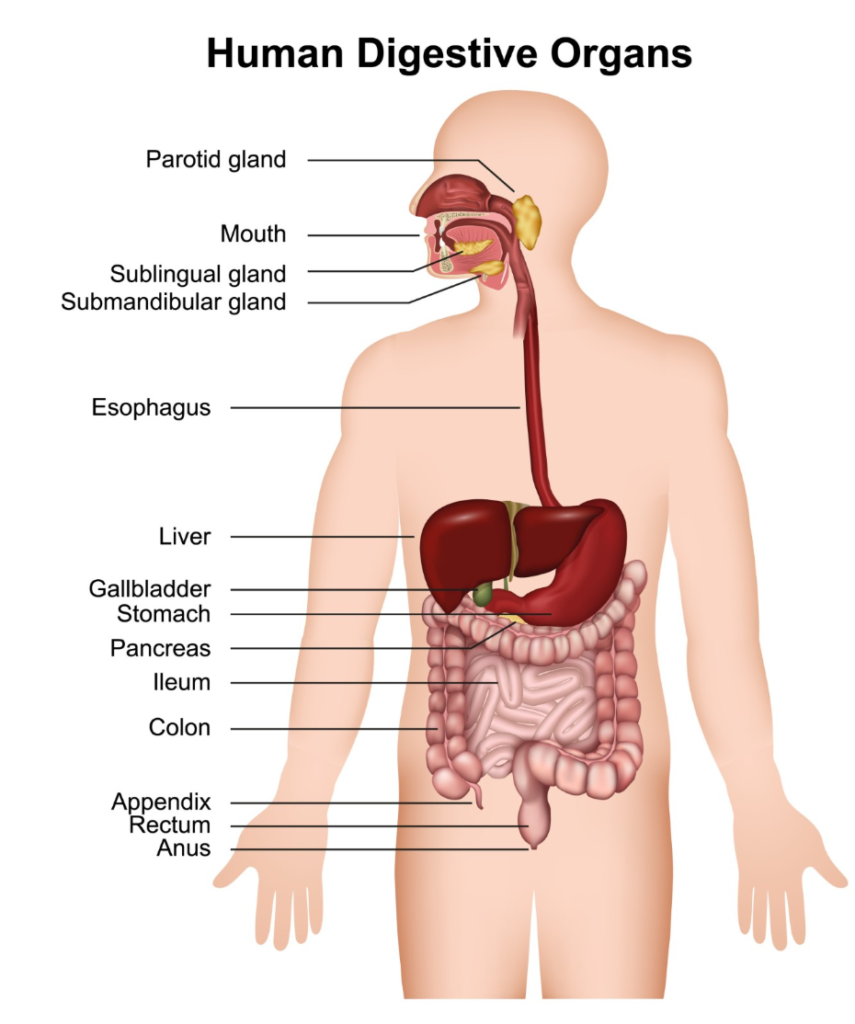
A GP will consider a diagnosis of IBS if you have experienced abdominal pain, bloating, or a change in bowel habit for at least six months. According to the NICE clinical guideline [CG61], a positive diagnosis is made if you have abdominal pain that is either relieved by defecation or associated with a change in stool frequency or form. This must be accompanied by at least two of the following:
- Altered stool passage such as straining, urgency, or incomplete evacuation
- Abdominal bloating, distension, or hardness
- Symptoms that feel worse after eating
- The passage of mucus from the rectum
To confirm the diagnosis, the doctor must rule out other conditions. Standard blood tests include a Full Blood Count (FBC) to check for anaemia, an Erythrocyte Sedimentation Rate (ESR) or C-Reactive Protein (CRP) to check for general inflammation, and a test for coeliac disease antibodies. If these tests are normal and you meet the symptom criteria, a diagnosis of IBS is confirmed without the need for further hospital tests like a colonoscopy.
Diagnosing Inflammatory Bowel Disease (IBD)
Unlike IBS, Inflammatory Bowel Disease requires physical evidence of inflammation or damage to the digestive tract. The diagnosis is always made in a specialist setting, such as a gastroenterology department, using a combination of laboratory and invasive tests.
The first line of investigation for suspected IBD in the UK is the Faecal Calprotectin test. Calprotectin is a protein released into the gut when there is active inflammation. NICE diagnostics guidance [DG11] supports the use of this test in primary care to help doctors decide who needs an urgent referral. If the calprotectin level is high, it strongly suggests a structural disease like Crohn disease or Ulcerative Colitis.
Specialist tests include:
- Ileocolonoscopic: A camera is used to examine the lining of the large intestine and the end of the small intestine. This is the gold standard for seeing inflammation and taking tissue samples (biopsies).
- Biopsy: Small pieces of tissue are removed and examined under a microscope to confirm the type and extent of the inflammation.
- Medical Imaging: Scans such as an MRI, CT, or Ultrasound are used to look at the small bowel or to check for complications like abscesses or fistulas.
- Stool Cultures: These are performed to rule out bacterial or parasitic infections that can mimic IBD symptoms.
Comparing the Diagnostic Markers
The table below illustrates how clinicians differentiate between the two conditions based on standard investigative findings.
| Diagnostic Feature | Irritable Bowel Syndrome (IBS) | Inflammatory Bowel Disease (IBD) |
| Inflammatory Markers (CRP/ESR) | Usually normal | Often elevated |
| Faecal Calprotectin Test | Normal (low levels) | Elevated (high levels) |
| Endoscopy (Colonoscopy) | Normal healthy lining | Visible ulcers and inflammation |
| Biopsy Results | No structural changes | Microscopic signs of disease |
| Imaging (CT/MRI) | No bowel wall thickening | Thickened or damaged bowel wall |
| Blood in Stool | Not typical for IBS | Common sign of inflammation |
Red Flags and Urgent Referral
Clinicians are trained to look for red flag symptoms that suggest a condition more serious than IBS, such as IBD or bowel cancer. If any of these are present, the NICE pathway requires an urgent referral to a specialist, often within a two week window.
Red flags include:
- Unintentional and unexplained weight loss
- Rectal bleeding or blood in your stool
- A family history of bowel or ovarian cancer
- A change in bowel habit to looser or more frequent stools lasting more than six weeks in someone over 60
- Anaemia found on a blood test
- An abdominal or rectal mass found during examination
If your symptoms are persistent and accompanied by these indicators, a GP will not wait for the standard six month period to initiate investigations. They will move straight to specialist referral to ensure a rapid diagnosis.
Causes and Triggers of Digestive Conditions
The causes of IBS and IBD are distinct, which is why the diagnostic focus differs. IBS is considered a functional issue related to gut-brain communication, while IBD is an autoimmune process.
Triggers for IBS often include:
- Specific Foods: Many find that certain carbohydrates or high fibre foods worsen symptoms.
- Psychological Stress: Emotional tension can directly impact gut motility and sensitivity.
- Post-Infectious Changes: Symptoms sometimes start after a severe stomach bug.
Triggers for IBD are related to immune system activation:
- Genetics: Having a close relative with IBD significantly increases the risk.
- Smoking: This is a major trigger for Crohn disease flare ups.
- Infections: Certain viruses or bacteria can trigger the first onset of inflammation in predisposed individuals.
Differentiation and Misdiagnosis
Because symptoms can overlap, the differentiation between these two conditions is the most critical part of the diagnostic process. A normal Faecal Calprotectin result is 98 percent accurate in ruling out IBD in patients with typical bowel symptoms. However, doctors must remain vigilant. If a patient is diagnosed with IBS but their symptoms fail to improve with standard treatments, or if new red flags appear, the clinician must revisit the diagnosis. It is not uncommon for very early IBD to present like IBS before the inflammation becomes severe enough to be detected by standard markers.
To Summarise
Diagnosing IBS and IBD involves a clear pathway that begins with checking for red flags and performing simple blood and stool tests. IBS is diagnosed by matching your symptoms to established clinical patterns once other diseases are excluded. IBD is diagnosed through specialist investigations that provide physical proof of inflammation, such as a colonoscopy. By understanding these differences, you and your doctor can ensure that you receive the correct treatment, whether that involves lifestyle changes for functional sensitivity or medical intervention for autoimmune inflammation.
If you experience severe, sudden, or worsening symptoms, such as intense abdominal pain or heavy rectal bleeding, call 999 immediately.
How long does it take to get a diagnosis?
IBS symptoms must be present for at least six months. IBD diagnostics can take a few weeks from the initial GP visit to the specialist consultation and endoscopy.
Is a colonoscopy necessary for an IBS diagnosis?
No, NICE guidelines state that a colonoscopy is not necessary to diagnose IBS if your blood tests are normal and you meet the symptom criteria.
Can a blood test tell the difference between IBS and IBD?
Blood tests for inflammation like CRP can help, but the Faecal Calprotectin stool test is far more accurate for distinguishing between the two.
What is the Rome IV criteria?
It is an international set of criteria used by many doctors to diagnose functional gut disorders like IBS based on the frequency and timing of abdominal pain.
Why do I need a coeliac test if I suspect IBS?
Coeliac disease symptoms are almost identical to IBS. Doctors must rule out a gluten allergy before they can safely confirm an IBS diagnosis.
What happens if my Faecal Calprotectin is slightly raised?
If the level is borderline, your GP may repeat the test in a few weeks, as some medications or minor infections can cause temporary rises.
Can I have IBS and IBD at the same time?
Yes, it is possible for a person with IBD in remission to still have functional IBS symptoms like bloating and pain.
Authority Snapshot
This article was reviewed by Dr. Rebecca Fernandez, a UK-trained physician with an MBBS and extensive experience in both surgical and general medical environments. Dr. Fernandez specialises in patient assessment and the integration of digital health solutions to support mental and physical well-being. She has deep expertise in managing complex inpatient and outpatient cases, following the latest NICE and British Society of Gastroenterology guidelines to ensure accurate diagnostics and evidence based care.
