
Both IBS and IBD can run in families, but they are not inherited in a simple way like eye colour. IBD has a much stronger genetic link, with around 5 to 20 percent of affected individuals having a close relative with the condition. IBS also shows family clustering, but this is often a complex mix of shared genetics, similar diets, and common environmental stressors rather than a single inherited gene.
What We Will Discuss in This Article
- The difference between genetic predisposition and direct inheritance
- How IBD genetics impact the risk for Crohn disease and Ulcerative Colitis
- The role of shared family environments in the development of IBS
- Key genes identified in IBD research such as NOD2
- Comparing the family risk percentages for both conditions
- Why having a relative with these conditions does not guarantee development
- Lifestyle factors that can influence genetic expression in gut health
The Genetic Basis of Inflammatory Bowel Disease (IBD)
IBD is considered a complex genetic condition where multiple genes increase susceptibility. Research shows that if you have a first degree relative with IBD, your own risk is significantly higher than the general population. While not purely hereditary, the genetic component is strong enough that researchers have identified over 240 genetic markers associated with the disease.
In the UK, clinical data suggests that the hereditary link is more pronounced in Crohn disease than in Ulcerative Colitis. When both parents have IBD, the risk of a child developing the condition by age 28 can be as high as 1 in 3. This does not mean a single gene is to blame, but rather that a child may inherit a combination of genes that make their immune system more likely to overreact to triggers in the gut.
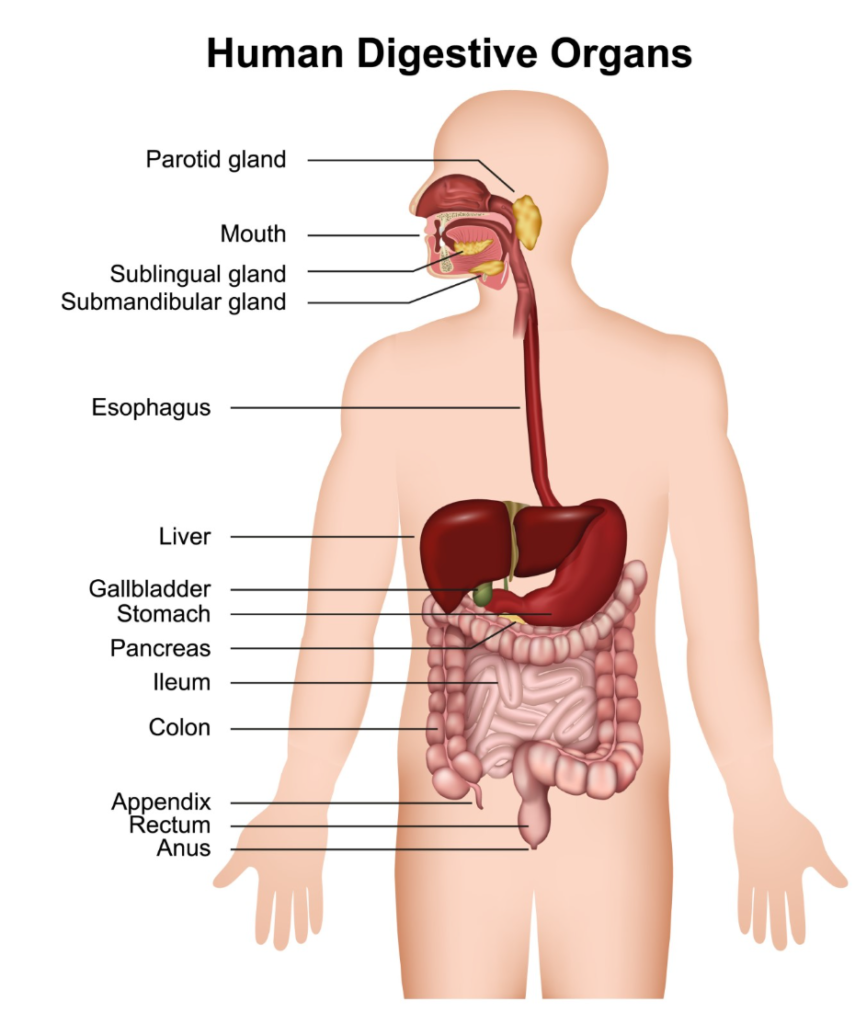
Key Genetic Markers in IBD:
- NOD2: One of the first genes linked to Crohn disease, which helps the immune system recognise bacteria.
- TNFSF15: A gene involved in the inflammatory response and cell death.
- IL23R: Associated with the maturation of immune cells that trigger inflammation.
Is Irritable Bowel Syndrome (IBS) Passed Down Through Families?
IBS often clusters in families, with relatives of an affected person being 2 to 3 times more likely to have the condition. However, it is not strictly hereditary. Instead of a single gene, it is thought that a combination of shared genetics and a common household environment, such as similar diets and stress levels, leads to multiple family members experiencing functional gut symptoms.
Twin studies provide the best insight into IBS genetics. Identical twins, who share 100 percent of their DNA, have higher rates of both having IBS compared to fraternal twins. However, the heritability is estimated to be between 1 percent and 20 percent in most major studies. This suggests that while you may inherit a sensitive gut brain axis, your environment plays the dominant role in whether you actually develop symptoms.
Factors in Family Clustering:
- Shared dietary habits and food sensitivities within the home.
- Learned illness behaviour or coping mechanisms from parents.
- Common household stressors or significant life events.
- Similar gut microbiome profiles due to living in the same environment.
Comparing Hereditary Risks: IBS vs IBD
The hereditary nature of these conditions differs in intensity and mechanism. IBD involves specific immune system mutations that lead to physical damage, making the genetic link clearer and more measurable. IBS involves a more subtle genetic influence on gut sensitivity and motility, where lifestyle triggers are often required to activate the underlying predisposition.
| Feature | Irritable Bowel Syndrome (IBS) | Inflammatory Bowel Disease (IBD) |
| Genetic Link Strength | Moderate to Low | High |
| Primary Mechanism | Gut brain axis sensitivity | Autoimmune inflammation |
| Family Risk (1st Degree) | 2 to 3 times higher | 5 to 20 times higher |
| Impact of Environment | Very high | High but works with genes |
| Diagnostic Marker | No specific gene test | Over 240 known markers |
Different Types and Genetic Patterns
In the UK, specialists also look at specific subtypes of these conditions which may have different hereditary patterns. For instance, Crohn disease often shows a stronger family link than Ulcerative Colitis. In some rare cases, particularly when IBD develops in very young children under the age of five, a single gene mutation might be responsible. This is known as monogenic IBD and is handled differently by clinical teams than the more common complex form found in adults.
For IBS, the genetic influence may manifest differently depending on the subtype, such as IBS with constipation or IBS with diarrhoea. Some research suggests that genes affecting how the body processes serotonin or how it manages sodium channels in the gut muscles could be part of the inherited picture.
To Summarise
While both IBS and IBD show a tendency to run in families, IBD has a much more robust and direct genetic foundation. Having a relative with either condition increases your risk, but it is not a certainty that you will inherit the disease. For most people, a combination of genetic susceptibility and environmental triggers like diet, stress, or infections determines gut health outcomes. Understanding your family history is a valuable tool for early diagnosis and better management.
If you experience severe, sudden, or worsening symptoms, call 999 immediately.
Can a genetic test tell me if I have IBS?
No, there is currently no clinical genetic test to diagnose IBS. Diagnosis is based on symptoms and ruling out other conditions.
If my parents have IBD, will I definitely get it?
No. Even with both parents affected, the risk is about 33 percent, meaning there is still a 67 percent chance you will not develop the condition.
Is Crohn disease more hereditary than Ulcerative Colitis?
Yes, clinical studies generally show a slightly higher rate of family clusters in Crohn disease compared to Ulcerative Colitis.
Can I prevent inheriting IBS through a specific diet?
You cannot change your genes, but managing environmental factors like diet and stress can prevent those genes from being triggered into symptoms.
Does ethnicity affect the hereditary risk?
Yes, certain groups, such as those of Ashkenazi Jewish descent, have a higher documented genetic risk for IBD.
What is the best way to track my family risk?
Keep a record of close relatives with diagnosed gut conditions and share this information with your GP if you begin to experience symptoms.
Authority Snapshot
This article was reviewed by Dr. Stefan Petrov, a UK trained physician with an MBBS and extensive experience in general medicine, surgery, and emergency care. Dr. Petrov has worked in hospital wards and intensive care units, performing diagnostic and therapeutic procedures for complex gastrointestinal cases. He specialises in medical education and helping patients understand the interplay between genetics and environmental triggers in chronic digestive health.
