
Yes, regular physical activity is clinically recognised as an effective non medicinal treatment for Irritable Bowel Syndrome. Exercise helps regulate the digestive system by stimulating natural gut contractions and reducing the time gas stays trapped in the intestines. Furthermore, physical activity is a powerful tool for managing the gut brain axis, as it releases endorphins that lower stress and anxiety, which are major triggers for IBS flares. In the United Kingdom, healthcare guidelines often recommend moderate exercise as a first line lifestyle intervention to help patients manage bloating, constipation, and abdominal discomfort.
What We Will Discuss in This Article
- The physiological impact of movement on gut motility
- How exercise helps release trapped gas and reduces bloating
- The role of physical activity in calming the gut brain axis
- Distinguishing between beneficial gentle exercise and high intensity triggers
- The relationship between core strength and digestive health
- Practical tips for starting an IBS friendly exercise routine
- When to adjust your activity levels based on your symptoms
How Movement Affects the Digestive Tract
Exercise provides physical stimulation to the digestive organs, helping them function more efficiently.
Stimulating Gut Motility
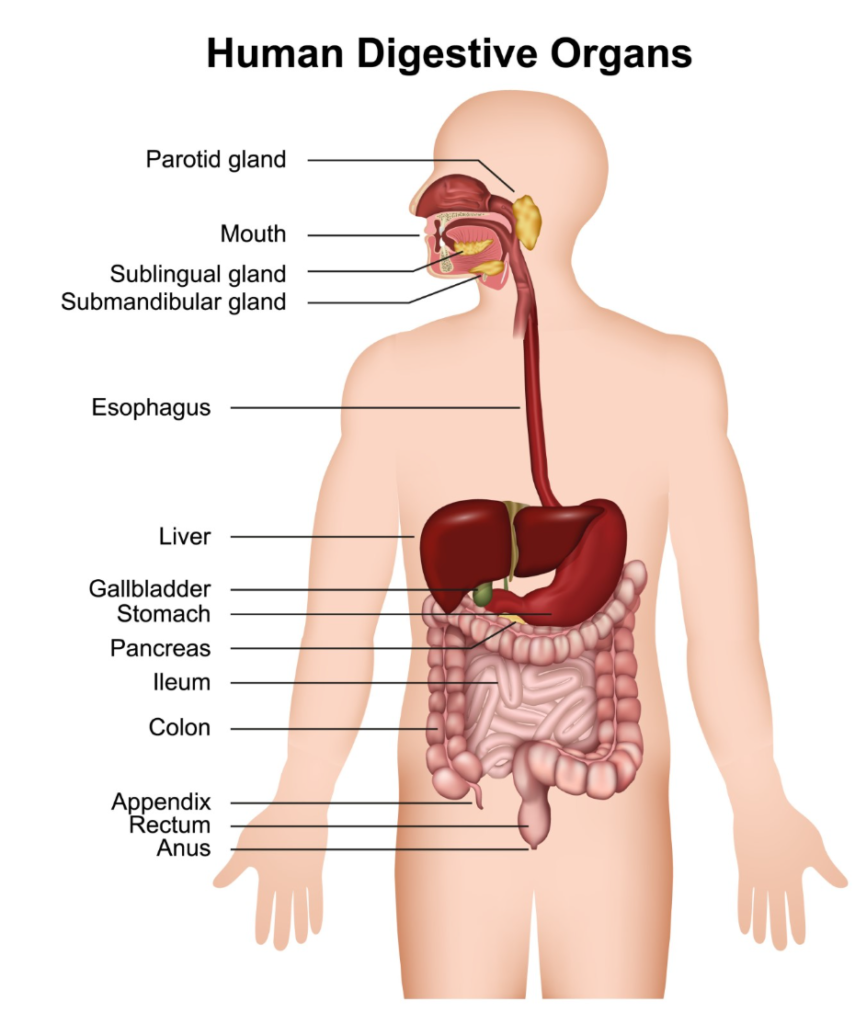
Physical movement encourages the rhythmic contractions of the muscles in the gastrointestinal tract, known as peristalsis. For individuals with constipation predominant IBS, this stimulation helps move waste through the colon more quickly, reducing the time for water to be reabsorbed and keeping stools softer. Even simple activities like a brisk walk after a meal can significantly aid this process.
Relieving Trapped Gas
Bloating and gas are often caused by air becoming trapped in the curves of the colon. Changing body positions through exercise helps shift this gas, allowing it to pass through the system more easily. Stretching and rotational movements are particularly effective at massaging the internal organs and providing relief from the pressure of abdominal distension.
Exercise and the Gut Brain Axis
As a physician with experience in psychiatry, I frequently emphasise that the benefits of exercise for IBS extend far beyond the physical movement of the gut. The gut and the brain are in constant communication via the vagus nerve.
Stress and anxiety can cause the brain to send signals that increase gut sensitivity and disrupt motility. Exercise acts as a natural stress reliever by lowering cortisol levels and boosting mood enhancing chemicals like serotonin and dopamine. By calming the central nervous system, regular activity helps desensitise the gut nerves, making them less reactive to normal digestive processes. This holistic approach is vital for long term symptom management.
Choosing the Right Type of Exercise
While movement is beneficial, the intensity and type of activity can determine whether it helps or hinders your symptoms.
Beneficial Low Impact Activities
- Walking: A gentle way to stimulate motility without overstressing the body.
- Yoga: Combines physical stretching with deep breathing, which activates the parasympathetic nervous system (the rest and digest state).
- Swimming: Provides a full body workout while supporting the joints and abdomen.
- Cycling: A good cardiovascular option that keeps the lower body moving and stimulates the bowels.
Potential High Intensity Triggers
For some, especially those with diarrhoea predominant IBS, high intensity interval training or long-distance running can actually trigger a flare up. This is because vigorous exercise diverts blood flow away from the gut to the working muscles, which can cause cramping and urgency. It is important to listen to your body and choose activities that make you feel better, not worse.
Comparison of Exercise Impacts
| Activity Type | Primary Benefit for IBS | Best For |
| Gentle Walking | Improves transit time | Constipation and general health |
| Yoga and Pilates | Relieves trapped gas | Bloating and abdominal pain |
| Cycling | Boosts cardiovascular health | Stress related symptom control |
| Deep Breathing | Calms the gut brain axis | Urgent flares and anxiety |
| High Intensity | Improves fitness | May trigger urgency in some |
Emergency Guidance
While exercise is generally safe, you should be aware of when physical symptoms require medical attention rather than a workout.
If you experience severe, sudden, or worsening symptoms, call 999 immediately.
Seek an urgent appointment with your GP if you notice:
- Severe abdominal pain that does not improve with rest
- Unexplained and unintentional weight loss
- Rectal bleeding or blood in your stool
- A hard lump or swelling in your abdomen
- Symptoms that regularly wake you from sleep at night
To Summarise
Exercise is a highly effective way to improve IBS symptoms by stimulating gut motility, relieving trapped gas, and calming the gut brain axis. By incorporating gentle, low impact activities like walking or yoga into your weekly routine, you can reduce the frequency of bloating and constipation. Managing your stress levels through movement also helps lower the sensitivity of your gut nerves. While everyone has different tolerances, focusing on consistency rather than intensity is the key to using physical activity as a successful management tool for Irritable Bowel Syndrome.
How soon after eating should I exercise?
It is generally best to wait at least thirty to sixty minutes after a meal before engaging in moderate exercise to allow the initial stages of digestion to take place.
Can exercise help with IBS related bloating?
Yes, movement helps move gas through the digestive tract and prevents it from becoming trapped in the colon.
Is it safe to exercise during an IBS flare up?
Gentle walking or stretching can often help soothe a flare up but avoid high intensity workouts until your symptoms have stabilised.
Does core strength help with digestion?
Having a strong core supports the abdominal organs and can improve posture, which may help the digestive system function more effectively.
Can running cause runner trots in IBS patients?
Yes, the jostling motion and shifted blood flow during running can trigger urgency and diarrhoea in sensitive individuals.
How often should I exercise for IBS relief?
Aiming for thirty minutes of moderate activity five times a week is a standard clinical recommendation for maintaining healthy gut function.
Does yoga help with the psychological side of IBS?
Yes, the focus on breathwork and mindfulness in yoga is excellent for reducing the anxiety that often drives gut symptoms.
Authority Snapshot
This article was reviewed by Dr. Rebecca Fernandez, a UK trained physician with an MBBS and extensive experience in internal medicine, cardiology, and psychiatry. Dr. Fernandez specialises in the integration of evidence-based lifestyle changes and psychological therapies, such as CBT and mindfulness, to support patients with functional disorders. She has a deep understanding of how physical activity influences the gut brain axis and follows the latest clinical guidelines to ensure patients receive holistic and effective care
