




Gallstones are common in the United Kingdom and frequently exist without causing any noticeable health issues or requiring medical treatment. However, when these small stones move or cause an obstruction within the biliary system, they can lead to painful episodes or more serious inflammatory conditions. Deciding when to seek a medical consultation involves recognising specific patterns of abdominal discomfort and understanding which symptoms might indicate a complication. In the UK, healthcare professionals follow structured clinical pathways to differentiate between mild digestive issues and gallbladder disease. Patients who experience recurring upper abdominal pain, particularly after eating, are encouraged to seek a professional assessment to ensure an accurate diagnosis and to discuss potential management options. Recognising the transition from silent stones to symptomatic disease is a vital part of maintaining digestive wellness and preventing emergency hospital admissions. By following the established frameworks provided by the NHS and NICE, individuals can navigate their symptoms with confidence and receive the appropriate level of clinical care at the right time.
What We’ll Discuss in This Article
- Identifying the symptoms of biliary colic that require a GP review
- Recognising red flag signs of gallbladder inflammation and infection
- When changes in skin colour or waste indicate a biliary blockage
- The clinical significance of persistent nausea and digestive upset
- Understanding the role of a high temperature in gallbladder disease
- Preparing for a medical consultation regarding suspected stones
- The importance of early intervention in preventing complications
You should arrange a non urgent appointment with your GP if you experience episodes of severe abdominal pain that last for several hours
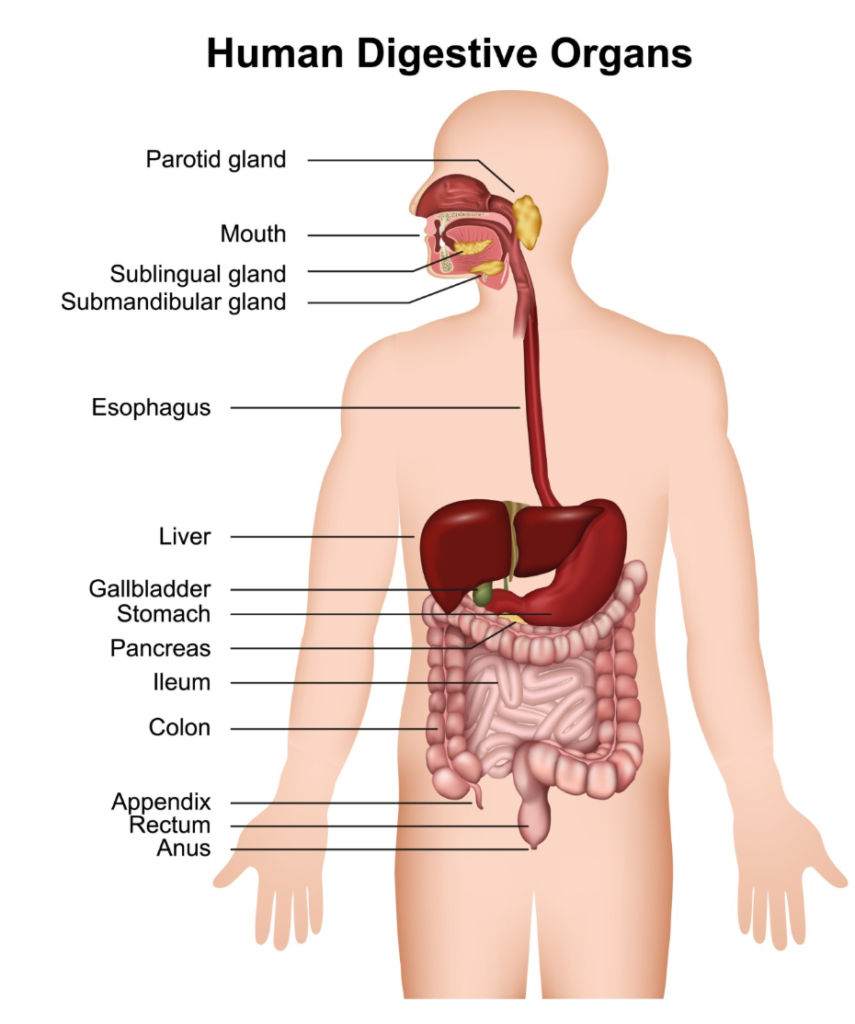
While many people have gallstones that never cause problems, recurring episodes of sharp pain in the upper right part of the tummy suggest that stones are interfering with your digestion. The most common symptom of gallstones is sudden and severe pain in the abdomen that usually lasts 1 to 5 hours. This pain, often referred to as biliary colic, usually occurs after eating fatty foods and may be felt in the centre of the abdomen or under the ribs on the right hand side. If you have experienced one or more of these episodes, it is important to seek a medical review so that a clinician can assess your symptoms and, if necessary, arrange for an ultrasound scan to confirm the presence of stones.
Recognising signs of acute inflammation
If the pain in your upper abdomen does not settle within a few hours or is accompanied by other signs of being unwell, it may indicate that the gallbladder has become inflamed. This condition, known as acute cholecystitis, is more serious than simple gallstone pain and requires prompt clinical assessment. Cholecystitis is inflammation of the gallbladder which causes persistent pain and tenderness in the upper right side of your tummy. You should seek medical advice quickly if the pain is constant and the affected area is very sensitive to the touch. In the UK, clinicians use these signs to determine if you require hospital-based treatment, such as antibiotics or fluids, to manage the inflammation before it leads to further tissue damage.
When symptoms indicate an obstruction in the bile ducts
Occasionally, a gallstone may migrate out of the gallbladder and become trapped in the common bile duct, which can affect the liver and other organs. This type of blockage produces very specific systemic symptoms that require urgent medical investigation. You should contact a healthcare professional immediately if you notice a yellowing of the skin or the whites of your eyes, a condition known as jaundice. Gallstones can cause jaundice if they block the flow of bile out of the liver. Other associated signs that the bile flow is obstructed include urine that has become very dark or tea coloured, and stools that have become very pale or clay coloured. These changes indicate that bile is backing up into your system and needs to be cleared to prevent liver irritation or serious infection.
Fever and systemic signs of infection
The presence of a high temperature or shivering is a significant indicator that a gallbladder issue has progressed into an infection. While biliary colic causes intense pain, it does not typically cause a fever; therefore, feeling hot and shivery alongside abdominal pain is a reason for urgent clinical review. These systemic signs suggest that bacteria may be multiplying in the trapped bile, which can lead to complications such as an abscess or the spread of infection into the bloodstream. In the UK, healthcare providers prioritise patients with these symptoms to ensure they receive the necessary intravenous treatments and monitoring in a hospital setting.
Persistent gastrointestinal distress and nausea
While occasional indigestion is common, persistent nausea and vomiting that occur alongside upper right abdominal pain should not be ignored. If you find that you are frequently feeling sick after meals or are unable to keep food down during a pain episode, it is a sign that the gallbladder is under significant stress. These symptoms can be particularly dehydrating and may indicate that the inflammation is affecting your overall digestive function. A medical review is essential to rule out other gastric conditions and to determine if your symptoms are linked to confirmed gallstones, allowing for a more focused treatment plan.
Conclusion
You should see a doctor if you experience recurring episodes of severe upper abdominal pain, especially after eating. Urgent medical attention is required if the pain is persistent or if it is accompanied by a fever, jaundice, dark urine, or pale stools. Most gallstones are managed conservatively unless they cause these symptomatic or inflammatory changes. Following UK clinical guidance ensures that you receive the correct diagnostic tests and timely intervention to protect your long term health. If you experience severe, sudden, or worsening symptoms, call 999 immediately.
Is it okay to wait and see if the pain goes away on its own?
If the pain is mild and settles quickly, you should still mention it to your GP, but persistent or severe pain always requires a professional review.
What will the GP do during the first appointment?
The GP will usually perform a physical examination of your abdomen and ask about the nature and timing of your pain and any dietary triggers.
Do I need a blood test for suspected gallstones?
Yes, clinicians in the UK often use blood tests to check your liver function and look for signs of inflammation or infection in your body.
Can I go to a pharmacy for gallbladder pain?
A pharmacist can offer general advice on painkillers, but they cannot diagnose gallstones or assess the severity of gallbladder inflammation.
How do I know if the pain is an emergency?
Pain is considered more urgent if it is accompanied by a high temperature, yellowing of the skin, or if the pain is so severe that you cannot find a comfortable position.
Will I be sent for an ultrasound scan immediately?
Depending on your symptoms, the GP will usually refer you for a non-urgent ultrasound scan to visualise the gallbladder and check for stones.
Can gallstones be mistaken for other conditions?
Yes, symptoms can sometimes be similar to indigestion, stomach ulcers, or kidney stones, which is why a professional diagnosis is essential.
Authority Snapshot (E-E-A-T Block)
This article was developed by the Medical Content Team to provide the general public with clear education on when to seek help for gallbladder issues. The content has been reviewed by Dr. Stefan Petrov, a UK-trained physician with experience in general medicine and emergency care, to ensure absolute alignment with NHS and NICE clinical guidance. Our purpose is to help patients understand their health risks and diagnostic pathways through factual and restrained reporting.



