




Biliary colic is a distinct clinical term used in the United Kingdom to describe episodes of intense, sudden pain resulting from gallstones interfering with the normal function of the gallbladder. This organ, situated just beneath the liver, is responsible for storing bile, which is essential for the digestion of dietary fats. When gallstones are present, they can physically obstruct the exit of the gallbladder or the ducts that transport bile to the small intestine. This blockage triggers a sharp and often debilitating pain response that can last for several hours. In the UK, healthcare professionals categorise this pain based on its duration and the presence of associated symptoms such as fever or nausea. While biliary colic itself is often temporary, it can be a precursor to more significant inflammation, such as cholecystitis. Understanding the nature of this pain and the biological triggers that cause it is vital for patients to navigate the diagnostic and treatment pathways provided by the NHS.
What We’ll Discuss in This Article
- The biological definition and causes of biliary colic
- Identifying the characteristic location and nature of sudden gallbladder pain
- The relationship between dietary triggers and pain episodes
- Distinguishing between temporary biliary colic and persistent cholecystitis
- Common risk factors associated with symptomatic gallstones
- Diagnostic procedures used by the NHS to investigate abdominal pain
- Clinical management and long term treatment options in the UK
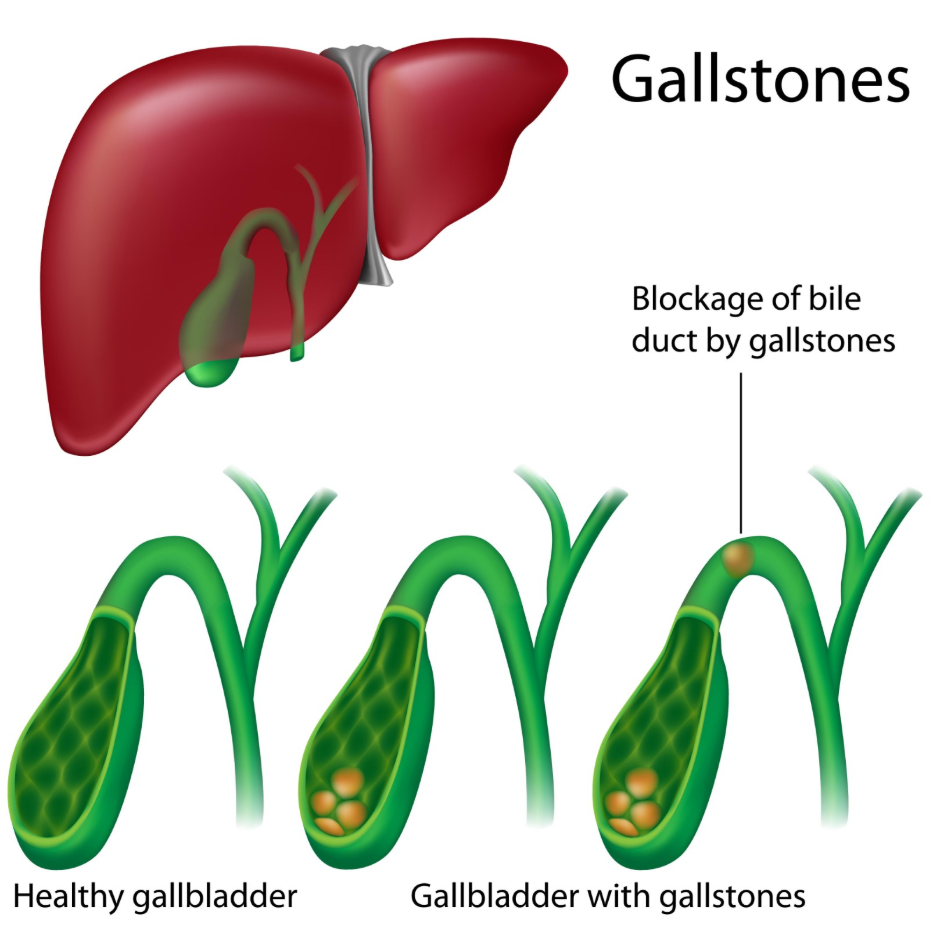
Sudden and severe pain in the upper abdomen is the hallmark symptom of biliary colic which occurs when a gallstone temporarily blocks a bile duct
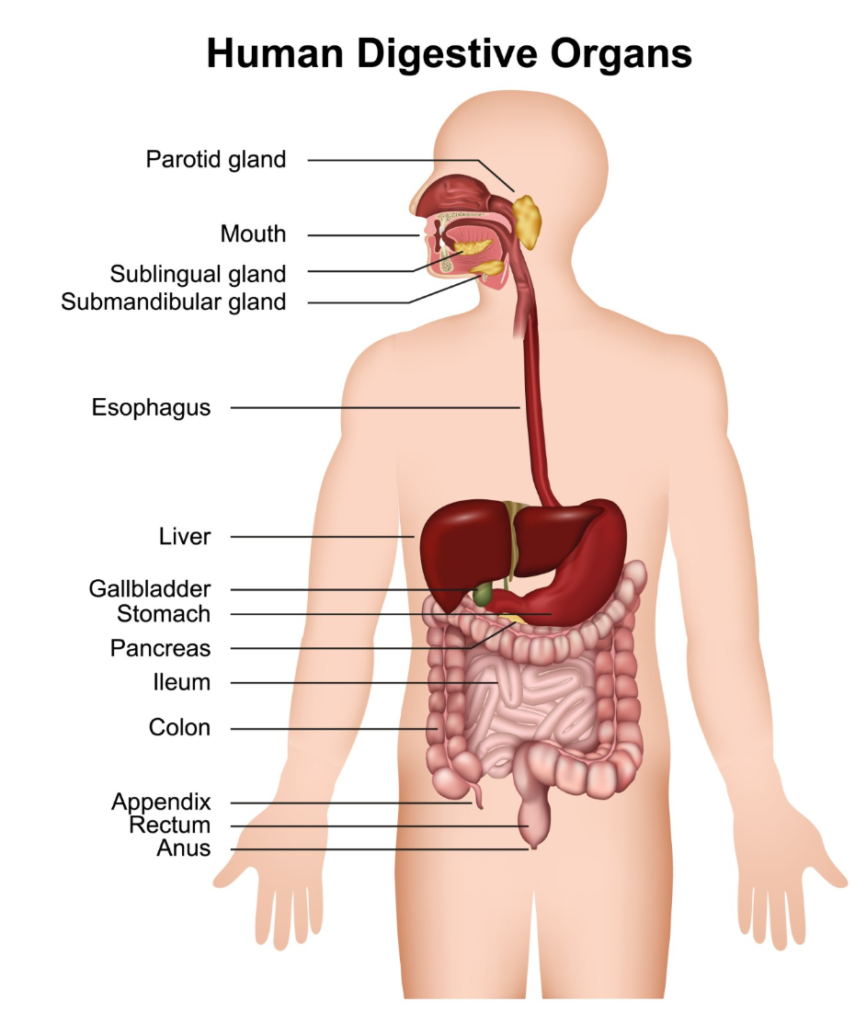
This pain is a direct result of the gallbladder contracting against an obstruction, causing a rapid increase in internal pressure. The most common symptom of gallstones is sudden and severe pain in the abdomen that usually lasts 1 to 5 hours. This discomfort is typically felt in the centre of the abdomen or just under the ribs on the right hand side. Unlike milder digestive issues, biliary colic is often described as a constant, gnawing, or sharp sensation that does not resolve with passing wind or being sick. Because the gallbladder is attempting to expel bile that is trapped by a stone, the pain remains until the organ relaxes and the stone moves back into a non-obstructive position.
Characteristics and location of the pain
Patients in the United Kingdom frequently report that the pain of biliary colic is not confined solely to the stomach area but can migrate to other parts of the body.
It is common for the sensation to radiate around the side to the back or under the right shoulder blade, a phenomenon known as referred pain. During an episode, the individual may feel it difficult to find a comfortable position, often pacing or doubling over in distress. While the pain is intense, it is typically not accompanied by the high temperature or shivering seen in more advanced infections. In most clinical cases, the episode settles within a few hours, leaving the patient feeling exhausted but otherwise relatively healthy until the next trigger occurs.
The role of dietary triggers and timing
Biliary colic is highly correlated with the consumption of specific foods, particularly those that are high in fats or oils. When fat enters the small intestine, the body releases hormones that signal the gallbladder to contract and release stored bile. If gallstones are present, this forceful contraction is what pushes a stone into the neck of the gallbladder or the cystic duct. Many people in the UK find that their symptoms occur in the evening or during the night following a heavy or greasy meal. Identifying these dietary patterns is an essential part of the diagnostic process used by clinicians to differentiate gallbladder issues from other forms of indigestion or gastric irritation.
Transitioning from biliary colic to acute cholecystitis
While biliary colic represents a temporary blockage, cholecystitis occurs when the gallbladder becomes permanently obstructed and inflamed. Cholecystitis is inflammation of the gallbladder which causes persistent pain and tenderness in the upper right side of your tummy. In this state, the pain does not subside after a few hours but instead remains constant and often worsens over time. Furthermore, cholecystitis is frequently accompanied by systemic signs such as a fever, chills, and a significantly higher level of tenderness when the abdomen is touched. In the UK, this is treated as a medical priority because the persistent inflammation can lead to complications such as an infection or a perforated gallbladder if hospital intervention is not provided.
Diagnostic pathways and clinical management
If a patient presents with symptoms of sudden severe pain, the standard NHS approach involves a physical examination and imaging to confirm the presence of stones. According to the National Institute for Health and Care Excellence, an ultrasound scan is the primary tool used to diagnose gallstones and check for signs of inflammation. Blood tests are also conducted to monitor liver function and look for markers of infection. For patients who experience recurring episodes of biliary colic, the most effective long term treatment is usually the surgical removal of the gallbladder. This procedure, known as a cholecystectomy, prevents the possibility of future stones causing blockages and eliminates the risk of developing acute cholecystitis.
Conclusion
Gallstones are a leading cause of sudden, severe abdominal pain known as biliary colic, which occurs when a stone creates a temporary blockage in the biliary system. While the pain is intense, it usually subsides after several hours once the gallbladder relaxes. Persistent pain combined with a fever may indicate that the condition has progressed to cholecystitis, requiring urgent medical review. Managing your diet and following UK clinical guidance are the best ways to address these symptoms. If you experience severe, sudden, or worsening symptoms, call 999 immediately.
Is biliary colic the same as a gallbladder attack?
Yes, biliary colic is the medical term for what is commonly referred to as a gallbladder attack, characterised by sudden and severe pain.
How long does biliary colic usually last?
Most episodes of biliary colic last between one and five hours, though the residual soreness can persist for a little longer.
Can I have biliary colic without having gallstones?
While rare, it is possible for the gallbladder to malfunction or have “sludge” that causes similar pain, but stones are the cause in the vast majority of cases.
Why does the pain go away if the stones are still there?
The pain stops when the gallbladder stops contracting, and the stone falls back into the main part of the gallbladder, clearing the exit.
Can painkillers treat biliary colic at home?
Over the counter painkillers may help, but if the pain is severe or recurring, you must seek a professional medical assessment.
Does everyone with gallstones get biliary colic?
No, many people have “silent” gallstones that never cause any pain or blockages throughout their lifetime.
What is the best way to prevent biliary colic episodes?
Maintaining a low-fat diet and a healthy weight are the most effective strategies for reducing the frequency of gallbladder contractions and subsequent pain.
Authority Snapshot (E-E-A-T Block)
This article was developed by the Medical Content Team to provide clear education on the symptoms of gallbladder disease. The content has been reviewed by Dr. Stefan Petrov, a UK-trained physician with extensive experience in general medicine and emergency care, to ensure complete alignment with NHS and NICE clinical guidance. Our purpose is to help the public understand the nature of biliary colic through factual and restrained reporting.



